
The International Olympic Committee has adopted yet another compromise decision that effectively opens the door for the return of representatives from the aggressor country. The Ukrainian side is already preparing a response to this challenge, according to “Suspilne Sport.”
See also: All Restrictions Lifted: IOC Reinstates Russia in World Sports
How did the Ukrainian NOC react?
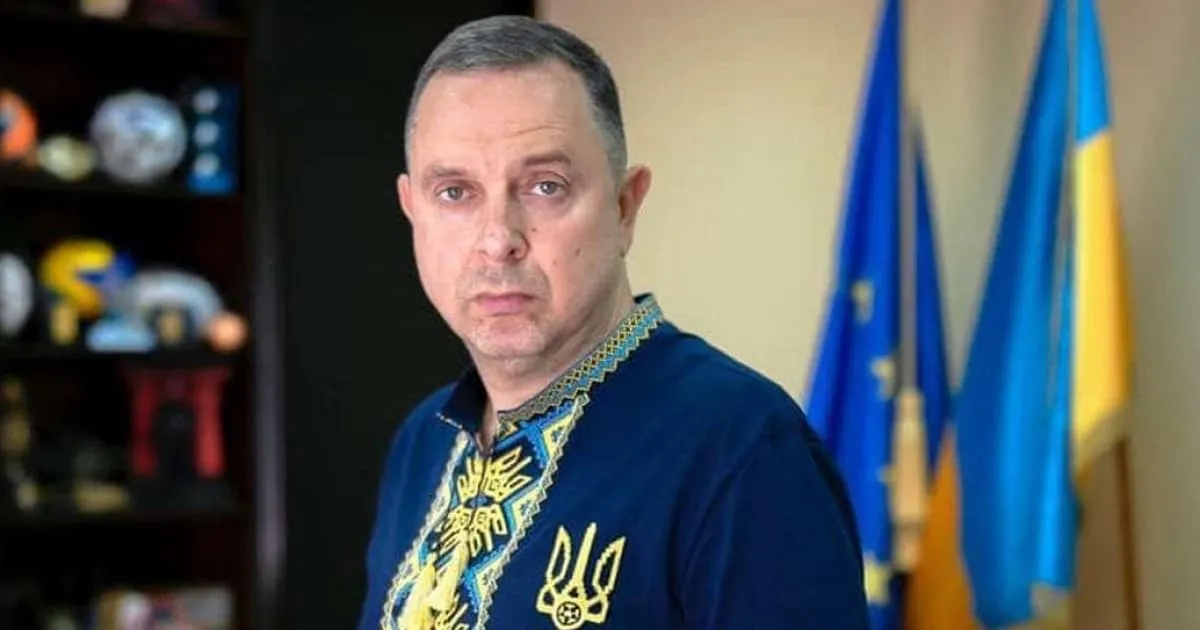
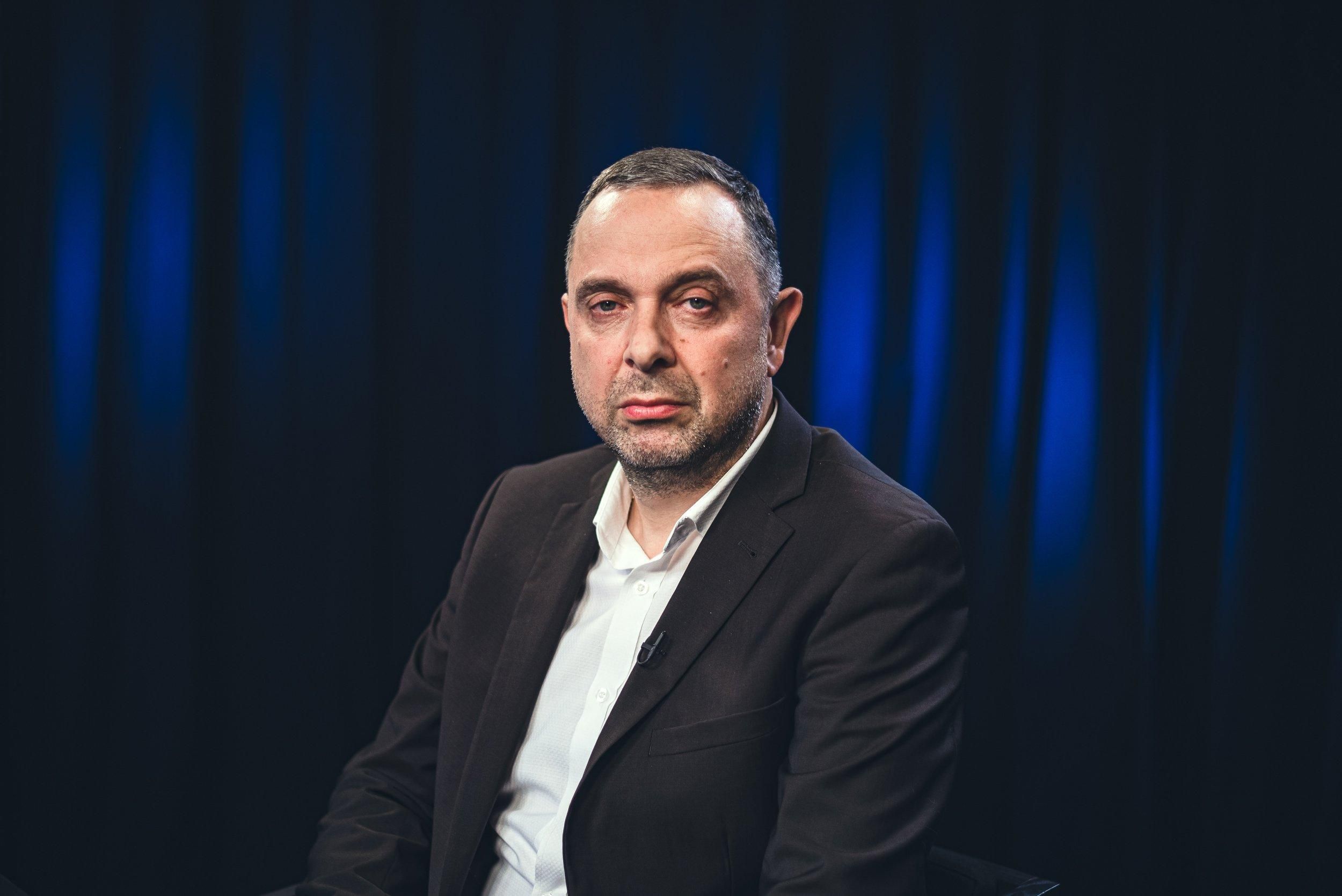
Vadym Guttsait, President of the National Olympic Committee of Ukraine, openly condemned the IOC’s new recommendations. According to him, the leadership of the Olympic Movement has simply absolved itself of responsibility, shifting it onto the shoulders of the international federations.
“Unfortunately, the IOC’s decision is shameful; of course, I do not support it. I spoke with colleagues from the Latvian and Lithuanian NOCs about this issue—everyone is upset. But we must move forward,” Gutzeit said.

Although Russian flags and anthems are still banned at the Olympic Games themselves, the aggressors have already been granted full access in many sports. Specifically, in wrestling, judo, weightlifting, fencing, and gymnastics, Russian athletes are competing without any restrictions. Moreover, at the junior level, sanctions have been completely lifted in chess and volleyball.
A Threat to Los Angeles: Does Ukraine Have a Plan?
The main danger is that the lifting of sanctions is happening right now—at the start of the qualifying competitions. Gutzeit openly acknowledged that the gradual return of Russian and Belarusian athletes jeopardizes efforts to isolate the aggressors at the upcoming Olympic Games in Los Angeles. At present, Ukraine has no clear plan of action to prevent the return of the tricolor to the Olympics.
However, the fight continues at the level of individual federations. World Athletics remains a model of uncompromising stance, having completely closed its doors to representatives of Russia and Belarus, even under neutral status. Now, the National Olympic Committee of Ukraine plans to work closely with each international organization to replicate the success of the Olympic Games in Paris and Milan, where the presence of Russians was minimized.


