
NASA researcher Turyshev predicts an orbital network in 7–10 years — Anadolu Agency
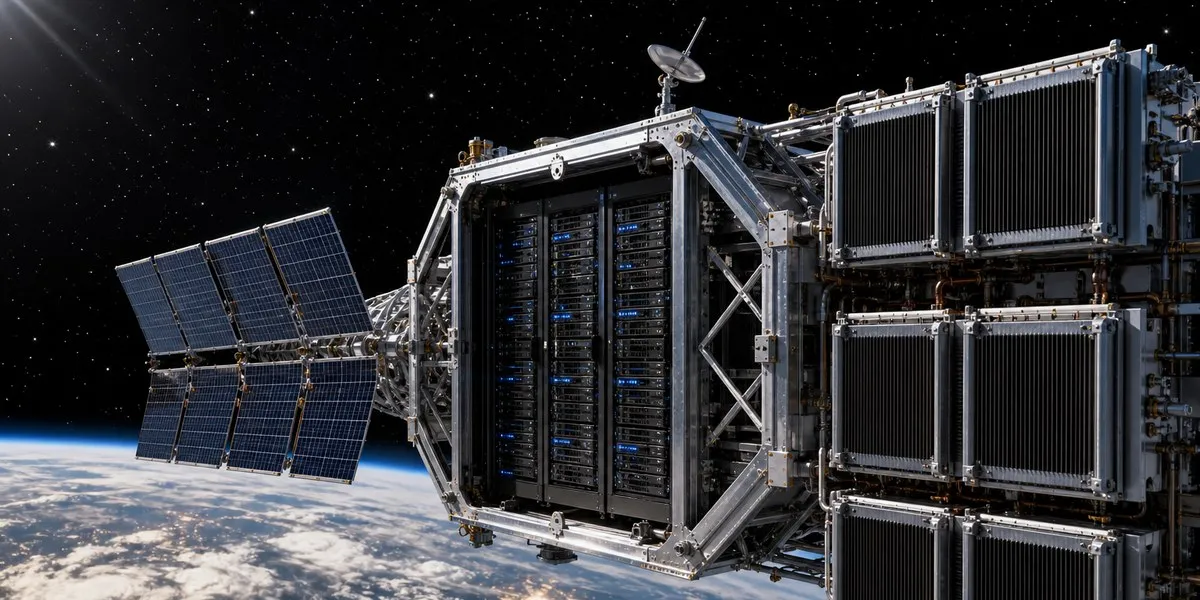
In Türkiye, as reported by Anadolu Agency, technology companies are considering placing data centers for artificial intelligence systems in low Earth orbit due to the rapid growth in their energy consumption. The idea again became a subject of discussion after NASA Administrator Jared Isaacman proposed moving AI computing infrastructure into space.
Energy load of data centers
According to Data Center Map, 12,259 data centers operate worldwide in 179 countries. The largest number of such facilities is located in the United States — 4,767, or 39% of the total. The United Kingdom follows with 568 centers, Germany with 533, and France with 393.
The computing needs of modern AI models increase electricity consumption, the need for cooling, and the space required to accommodate equipment. The International Energy Agency expects global electricity consumption by data centers to reach 485 terawatt-hours in 2025 and nearly double by 2030. The share of traditional data centers in global electricity demand could amount to around 3% by 2030, while the energy consumption of AI computing centers will triple over this period, according to the agency's estimate.
More current news is available on the UA.News Telegram channel Telegram.
Obstacles to operating in space
Orbital data centers could potentially have constant access to solar energy and would not require land plots or water for cooling. At the same time, their deployment is complicated by high launch costs, data transmission delays, and the inability to regularly service equipment physically.
Slava Turyshev, a researcher at NASA's Jet Propulsion Laboratory, emphasized that creating a data center in space is not limited to launching a server rack. According to him, approximately 16,000 spacecraft are already in orbit, and their number will grow. Deploying a one-megawatt node would require up to 6,000 square meters of solar panels, and its mass could reach approximately 75 tonnes.
Such systems will require processors protected from space radiation, flexible modular structures, solar panels, and radiators. Turyshev suggested that tangible results in orbital computing could emerge within five years, while a commercial satellite network for data processing could appear in 7–10 years.




