
Gordon-Levitt Calls on US to Shut Down AI Companies Until Safety Is Proven
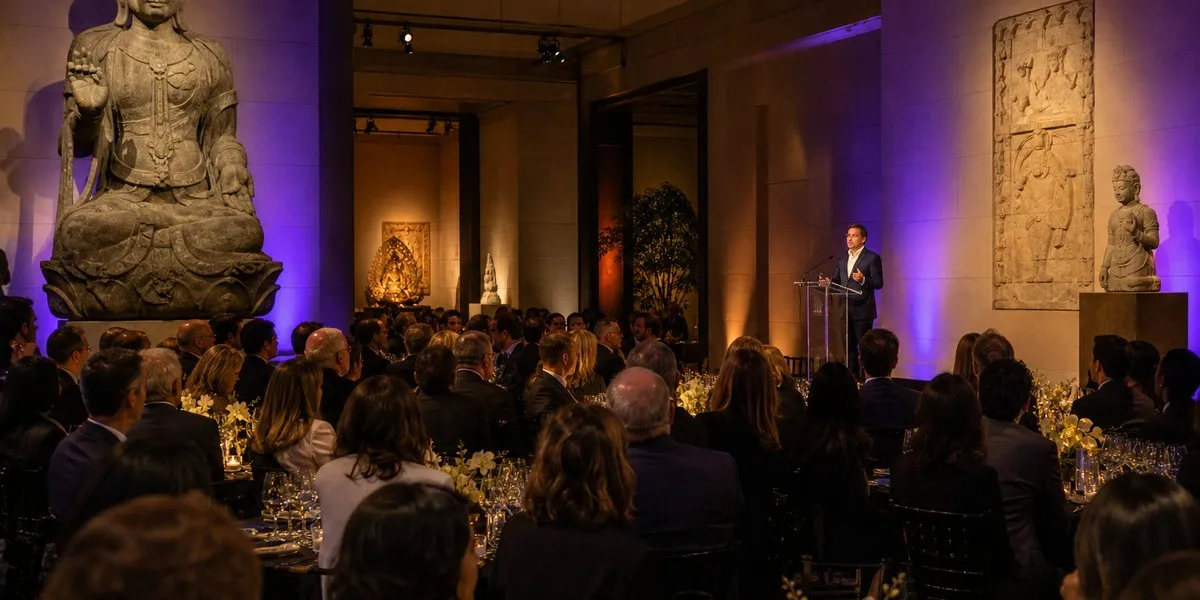
American actor Joseph Gordon-Levitt called on US authorities at the TIME100 AI Impact Dinner in San Francisco to shut down major artificial intelligence companies until they prove their products are safe. In his view, AI developers have lost control over the technologies they created, and the state must introduce strict regulation to prevent potential harm.
As TIME reports, Gordon-Levitt compared the AI industry to the automotive and construction sectors, where companies must comply with safety laws. He noted that the law can shut down companies that fail to meet these requirements and said that a similar approach should be applied to current manufacturers of artificial intelligence systems.
The actor also said that executives and employees of AI companies had publicly acknowledged the dangers of their products and the inability to fully control them. He called US politicians indecisive on regulating the industry and suggested that money from AI companies, their allies, and executives could be influencing this. Gordon-Levitt urged Americans not to vote in the November midterm elections for politicians who do not support immediate strict AI regulation.
AI for language preservation
Twenty-five-year-old inventor and US Indigenous activist Danielle Boyer also spoke at the event. She uses artificial intelligence to preserve Anishinaabemowin, the language of the Anishinaabe people from the Great Lakes region. According to an estimate cited by TIME, fewer than one thousand people are fluent in the language.
More current news is available on the UA.News Telegram channel Telegram.
Boyer said she is creating robots to teach the language, which was nearly destroyed by the US boarding school system. She stressed that decisions concerning artificial intelligence will have consequences for future generations and called for technology to be developed responsibly.
Applications in medicine
Johns Hopkins computer scientist and Bayesian Health founder Suchi Saria devoted her speech to the use of AI in hospitals. Her company develops systems that analyze clinical data and patients' vital signs to detect deterioration in their condition earlier, including sepsis.
Saria said that, according to Bayesian Health, prompt responses by medical staff to the system's alerts are associated with a 20% reduction in mortality. She emphasized that the key is not only predicting risks, but also turning the data obtained into timely action for the patient.




