
Microbes may have brought uranium to the surface of mine tailings in Australia — ScienceAlert
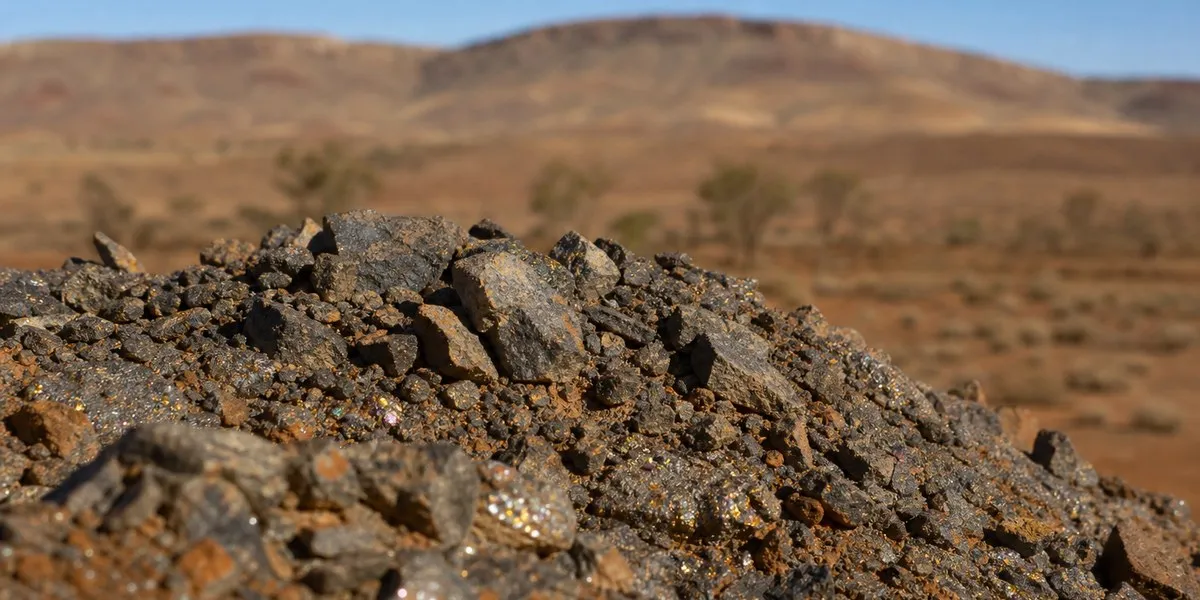
Unexpectedly high concentrations of potentially hazardous minerals have been found in the top 10 centimetres of waste at the tailings piles of the closed Mount Painter mine in Australia. Researchers suggest that soil microorganisms may transport and transform uranium and rare-earth elements that were previously considered relatively reliably isolated in dry mining waste. This was reported by ScienceAlert.
Nanoparticles in the upper layer of tailings piles
Samples were taken from the surface of tailings piles at the Number 6 Workings site of the Mount Painter mine. According to the report, this waste had remained undisturbed for more than 80 years, but hazardous minerals accumulated in its upper layer. A study published in the Journal of Hazardous Materials states that microbes in the waste may transport such substances in the form of polymetallic nanoparticles.
Geologist Joel Brugger noted that toxic metals in arid conditions have traditionally been considered naturally isolated. According to him, microorganisms can break down stable minerals and mobilize elements such as uranium into the environment. At the same time, the authors emphasize that further research is needed to conclusively confirm the role of microbes.
More current news is available on the UA.News Telegram channel Telegram.
Risk of transport with rainwater
Researchers are most concerned about the possible transformation of insoluble phosphates into colloidal forms. Such particles can easily move through the environment. Rainfall is infrequent in the semi-arid Arkarula region, but it can occur in the form of sudden summer thunderstorms and cause flash floods. Uranium in colloidal form can remain suspended in rainwater and spread farther from the mine.
The mine was closed in 1965, and its territory later became part of the Arkarula wildlife sanctuary. In 1944, rocks from Mount Painter were sent to the United States for experiments under the Manhattan Project. The authors call for a review of approaches to managing mining waste, whose volume may grow along with global demand for uranium, copper, and rare-earth elements.




