
Who will dominate the global electric vehicle market in 2026?
08 June 2026 15:27Just a few years ago, the electric vehicle market seemed straightforward. All the players were just picking up speed, and the only question was who was faster. Today, everything is different. The leaders are changing unpredictably, the Chinese boom is losing steam, and the main battle is no longer over speed, but over market share.
For five consecutive quarters, Tesla watched the top of the race from below. However, in the first quarter of 2026, the Americans once again took the lead in the global electric vehicle market. But behind this comeback lies not so much their own triumph as a serious decline among their competitors.
What’s wrong with the electric car market today? What can we expect from it in the near future? And how are things going with electric vehicles in Ukraine?
Tesla has reclaimed the throne
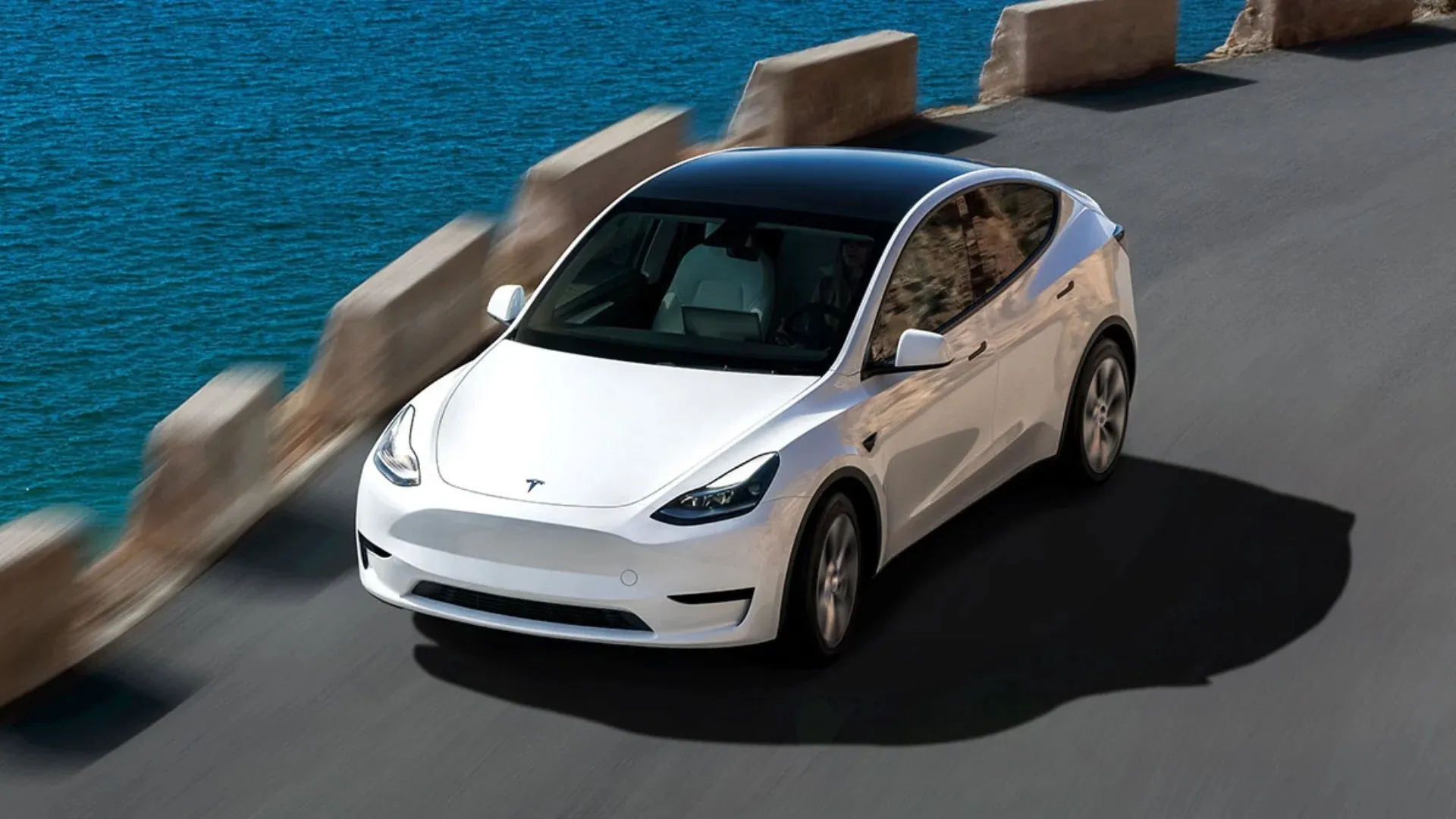
The first quarter of 2026 saw a shake-up at the top of the global electric vehicle market. According to data from the analytics firm Counterpoint, Tesla captured 13% of the global market for fully electric cars, overtaking China’s BYD with 11% and Geely with 10%. For Tesla, this marks its first time in the lead since the third quarter of 2024. The company’s global sales rose by 6%, and the Model Y and Model 3 were once again the most popular models of the quarter.
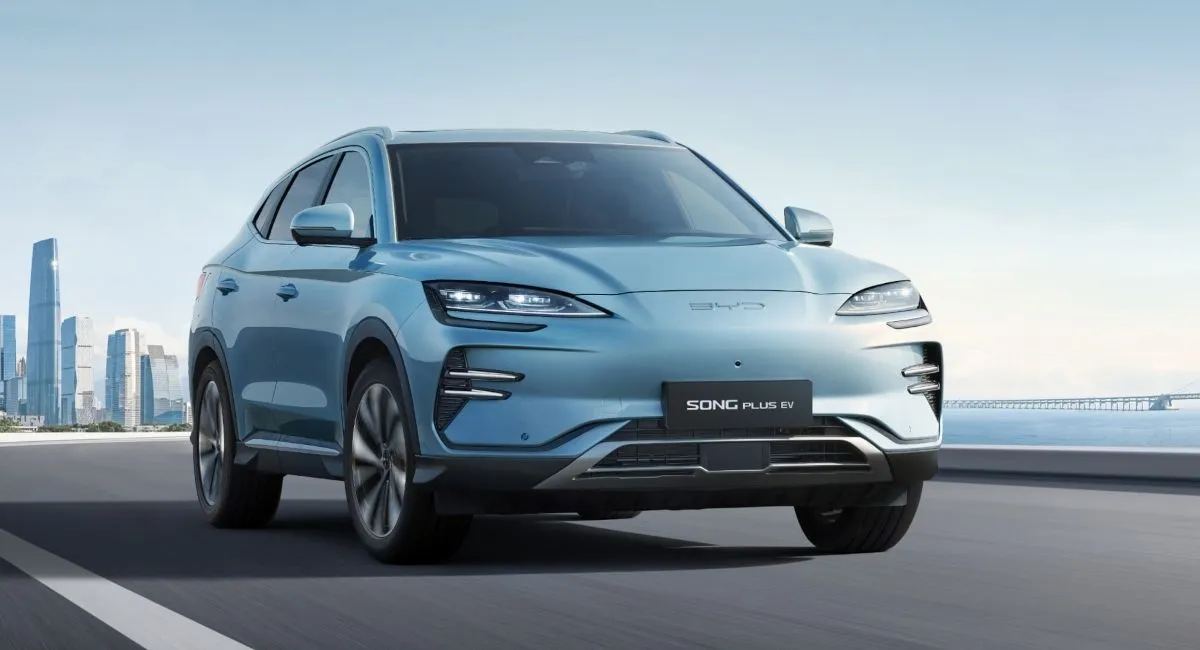
However, there is an important caveat. The main factor behind the change in leadership was a sharp drop in BYD’s sales. BYD is a Chinese company founded in 1995 in Shenzhen. They started out manufacturing phone batteries but later shifted their focus to electric vehicles. In 2008, Warren Buffett himself invested $232 million in the company, and by 2025, BYD had become the world’s largest electric vehicle manufacturer, selling 2.26 million cars. But in the first quarter of 2026, the company’s sales dropped by 25%.
The reasons for this decline are systemic. The Chinese market, where BYD felt most confident, shrank by 15%. People had bought electric cars in previous years and are in no hurry to buy new ones. On top of that, the government has canceled subsidies and trade-in programs for old cars. For years, Chinese consumers received a government subsidy for purchasing a new electric car. When these incentives disappeared, demand fell along with them. And if we add trade wars with Europe and the U.S. to the mix, the picture is bleak.
The Global EV Landscape
The overall trend toward the electrification of transportation hasn’t gone anywhere. In 2025, electric vehicle sales exceeded 20 million units for the first time, and their share of all new cars worldwide reached 25%. But the start of 2026 brought some changes: in the first quarter, 4 million electric vehicles were sold worldwide—3% fewer than a year earlier.
China remains the largest market. It accounts for up to 50% of global electric vehicle sales, although this share was as high as 63% just a short while ago. Its leadership is clear, but it is gradually eroding.
Instead, Europe has become an unexpected driver of growth. March 2026 was a record month for the region, as more than 500,000 electric vehicles were sold in a single month for the first time in history. Fuel prices, which have skyrocketed due to tensions in the Middle East, are literally pushing Europeans toward electric cars. By comparison: in Norway, electric vehicles account for 97% of the new car market; in China, 53%; and in the UK, 35%.
North America, meanwhile, is heading in the opposite direction. Sales of electric cars there fell by 27% after federal tax incentives were eliminated. Honda has even canceled an entire lineup of planned electric vehicles. Tesla in the U.S. also saw a 2% decline, but offset this with growth in other regions.
What’s happening with electric cars in Ukraine
Amid the global battle between Tesla and BYD, Ukraine has its own, very specific picture. Back in 2020, electric vehicles accounted for only 2% of new car sales in the country. By 2025, this figure had risen to 16%.
According to data from Ukravtoprom, 1,859 new and 6,641 used electric vehicles were registered in the country during the first months of 2026. The figures are modest compared to Europe or China, but the used electric vehicle market has doubled in a year.
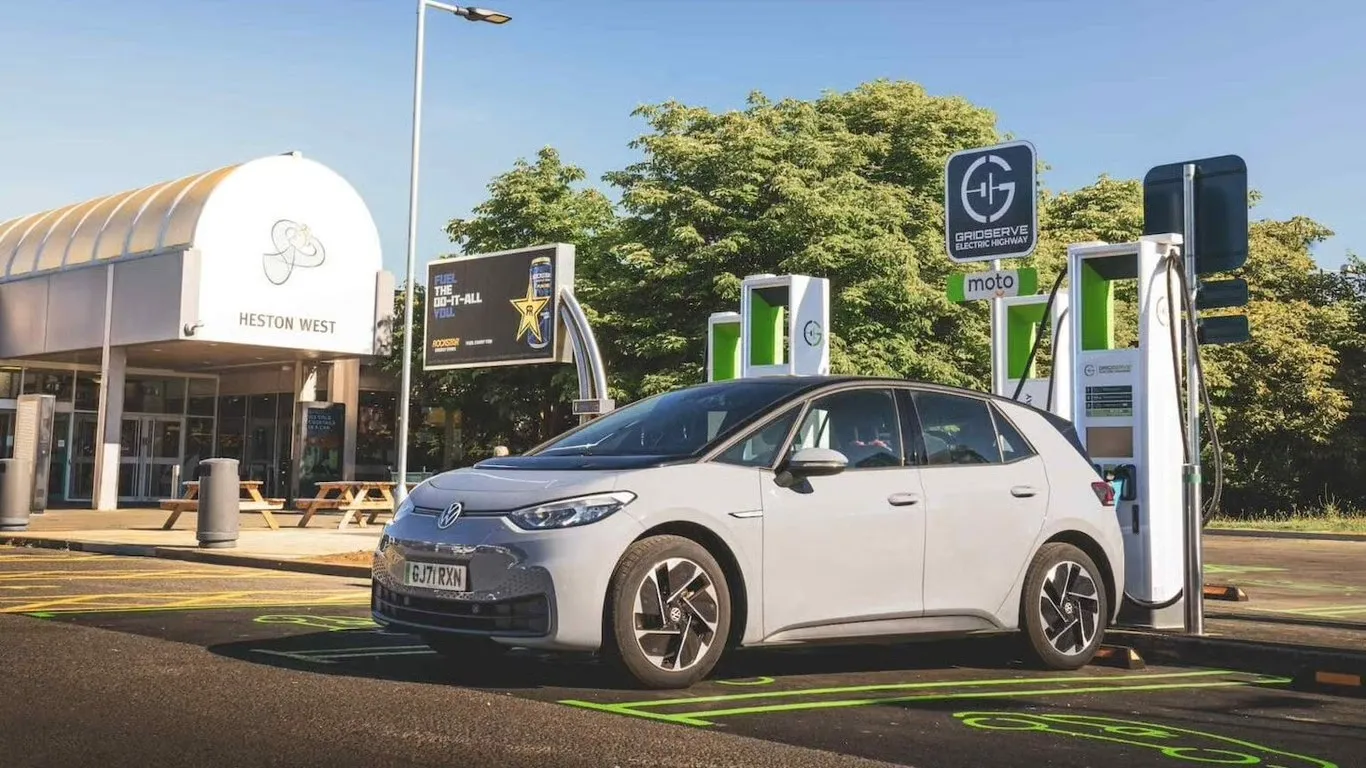
The market for new electric vehicles in Ukraine as of early 2026 is effectively dominated by Chinese brands. The most popular new model is the BYD Leopard 3, with 312 units registered in Ukraine. Next are the BYD Sea Lion 06 EV (216), Volkswagen ID.UNYX (161), and Zeekr 001 (153). The first three models together accounted for approximately 37% of all new EV registrations, and BYD alone captured over a quarter of the market with just two models. Chinese manufacturers, offering modern features at competitive prices, are setting the pace in the market.
The picture is different in the used car market. Here, the Nissan Leaf still leads the pack. It is a no-frills, well-established, and affordable car that Ukrainians have been buying and reselling for years.
What is driving people toward electric cars amid the war? First and foremost, the cost of fuel. Rising prices for gasoline and diesel have made electric cars economically attractive even despite blackouts, charging disruptions, and tariffs that are constantly rising. The elimination of customs clearance benefits starting in early 2026 dealt a painful blow to the market. That is why there was a record surge in purchases in December 2025, as people rushed to beat the rule change.
The Electric Race: Who’s in the Lead and What Lies Ahead for the Market
Analysts expect 23.4 million electric vehicles to be sold worldwide in 2026. China will make the largest contribution, with 14.3 million projected there. Europe is expected to reach 5 million, and the U.S. 1.2 million.
Although Tesla is once again in first place, its lead is slim. The market is maturing, the subsidy euphoria is fading, and competition is getting tougher every year.
For Ukraine, the question is not so much “Tesla or BYD” as “how to charge a car at night during power outages.” Our market is developing in spite of the circumstances. This is perhaps the most interesting story in this entire global electric vehicle race.
So let’s keep an eye on how things unfold.


