
China becomes first country to approve commercial use of brain–computer interface
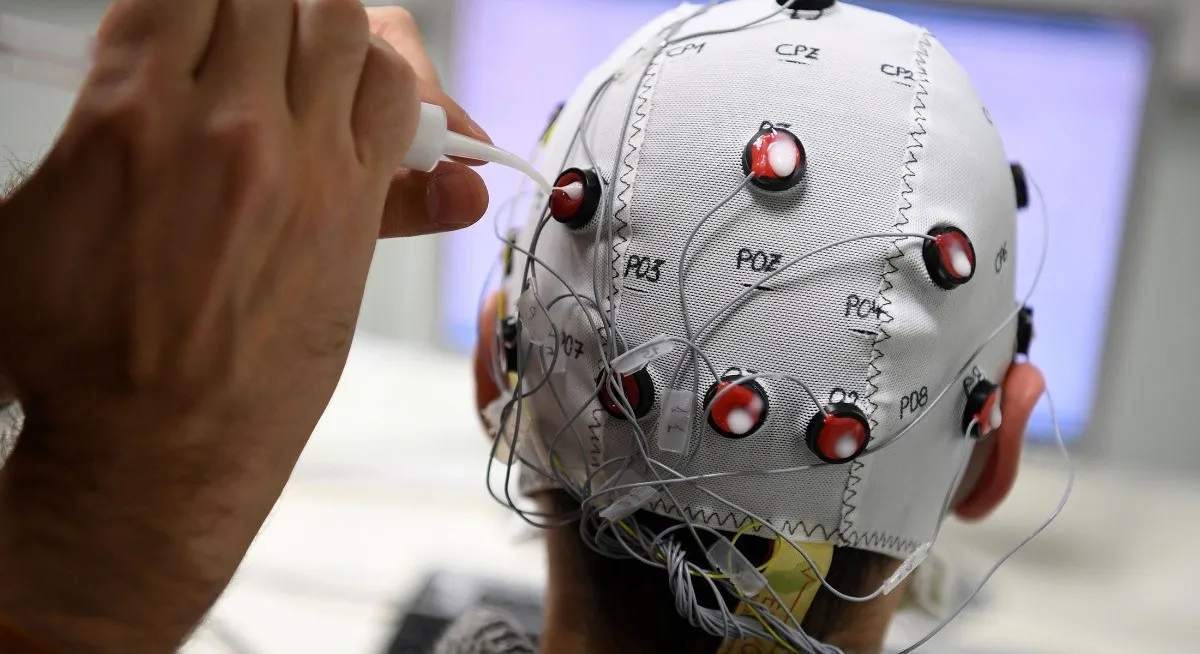
China has become the first country in the world to approve the commercial clinical use of a brain–computer interface (BCI) system. The technology was developed by Chinese startup Neuracle Technology and is designed to restore hand motor functions in patients with paralysis.
The approval was reported by Yicai Global.
Approval by Chinese regulator
The device received registration from China’s National Medical Products Administration (NMPA).
The system is intended for patients aged 18 to 60 suffering from paralysis caused by cervical spinal cord injuries.
How the system works
The implantable system is inserted through a minimally invasive procedure via the dura mater.
The BCI reads signals from the brain and transmits them to a pneumatic glove, which assists patients in performing basic grasping movements.
This approach enables partial restoration of hand function in individuals with severe neurological impairments.
A milestone for BCI technology
Neuracle Technology focuses on developing brain–computer interfaces aimed at rehabilitating patients with neurological disorders.
Experts say the regulatory approval marks an important step toward wider medical adoption of BCI technologies.
In the future, such systems could become a key tool in rehabilitation for spinal cord injury patients, helping them regain essential motor abilities and improving their quality of life.


