
Meta is testing an AI feature in WhatsApp to detect fraudulent messages
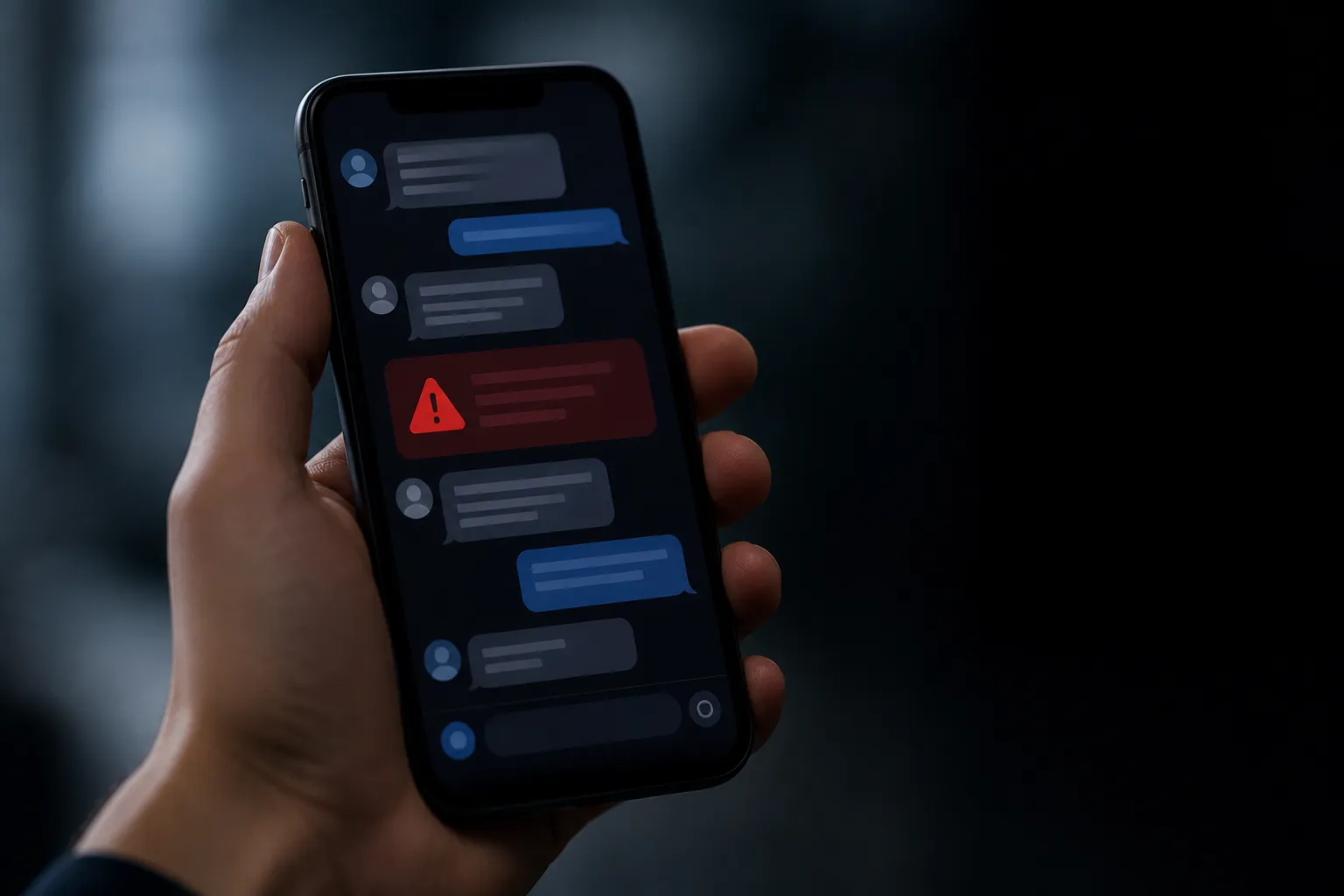
Meta is launching a limited beta test of a new Scam Alert feature on WhatsApp. It uses machine learning directly on the user’s device to flag potentially fraudulent messages. If the model identifies a message as a likely scam attempt, a warning will appear in the chat that the other person won’t see.
After receiving this notification, the user can block the contact, report them, or continue the conversation. If the warning turns out to be a false positive, the chat can be marked as trusted. The notification will then disappear, and Scam Alert will no longer flag this conversation as suspicious.
Users who mark a chat as trusted will also have the option to share the last five messages received in that chat with WhatsApp, if they choose. According to the company, this should help improve the feature’s accuracy.
For more breaking news, follow the UA.News Telegram channel.
Meta states that during classification, the content of messages does not leave the user’s device, and the system does not send automatic reports to WhatsApp, Meta, or any other parties. Scam Alert can be turned off at any time. Earlier this year, the company launched fraud detection in WhatsApp for device linking requests.
According to The Verge, WhatsApp has over 3 billion users and is one of the major platforms for scammers’ activities, particularly in money transfer schemes and so-called “pig butchering.” The U.S. Federal Trade Commission reported that in 2025, victims reported losses of $425 million due to WhatsApp scams. Total reported losses from social media scams at that time exceeded $2.1 billion.


