
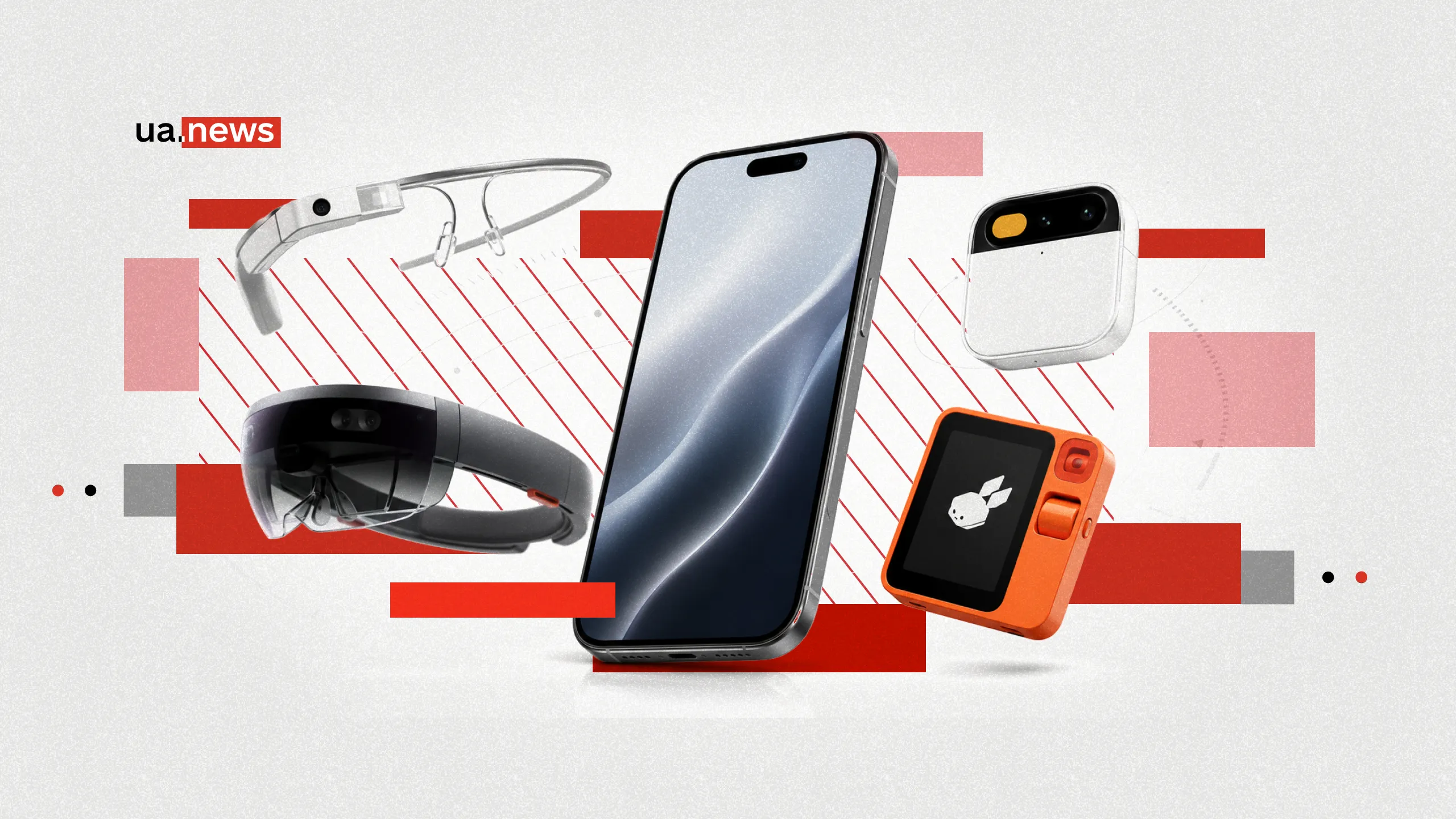
OpenAI Is Following in the Footsteps of Google and Humane: Why Creating a Successor to the Smartphone Has Proven Nearly Impossible
17 July 2026 15:42Nearly twenty years after the release of the first iPhone, the tech industry is once again talking about a device that is said to be a game-changer. This time, the spotlight is on OpenAI—the company behind ChatGPT.
OpenAI is working on its first consumer device. It won’t resemble a smartphone and won’t even have a screen. According to sources, the company is developing a compact, portable gadget with a camera, sensors, and a voice interface, designed to serve as a kind of “AI companion.”
The device is expected to be able to control a smart home, respond to messages, play media, and interact with the user via ChatGPT. Legendary designer Jony Ive, who created the designs for the iPhone, iMac, and other iconic Apple products, is also involved in the project.
This announcement alone has already become one of the top tech stories of the summer. But it also brought to mind another pattern—almost every few years, the world is shown a new gadget that promises to bring an end to the era of smartphones. However, none of them have succeeded.
UA.News explains why dozens of companies have tried to create a successor to the modern smartphone, how they’ve spent billions of dollars on these efforts, and why nearly all of these ambitious projects have ended in failure.
Why the Smartphone Became “Unbeatable”
Today it seems obvious, but back in the early 2000s, no one was certain that the smartphone would become the center of people’s digital lives.
The mobile electronics market at the time was extremely diverse. Business users relied on BlackBerry for its convenient email, Windows Mobile enthusiasts bought communicators with styluses, and companies like Palm and Nokia were experimenting with their own concepts for pocket computers.
Each of these devices had its strengths, but at the same time required compromises: a separate GPS navigator, digital camera, MP3 player, or laptop were still essential companions for many users.
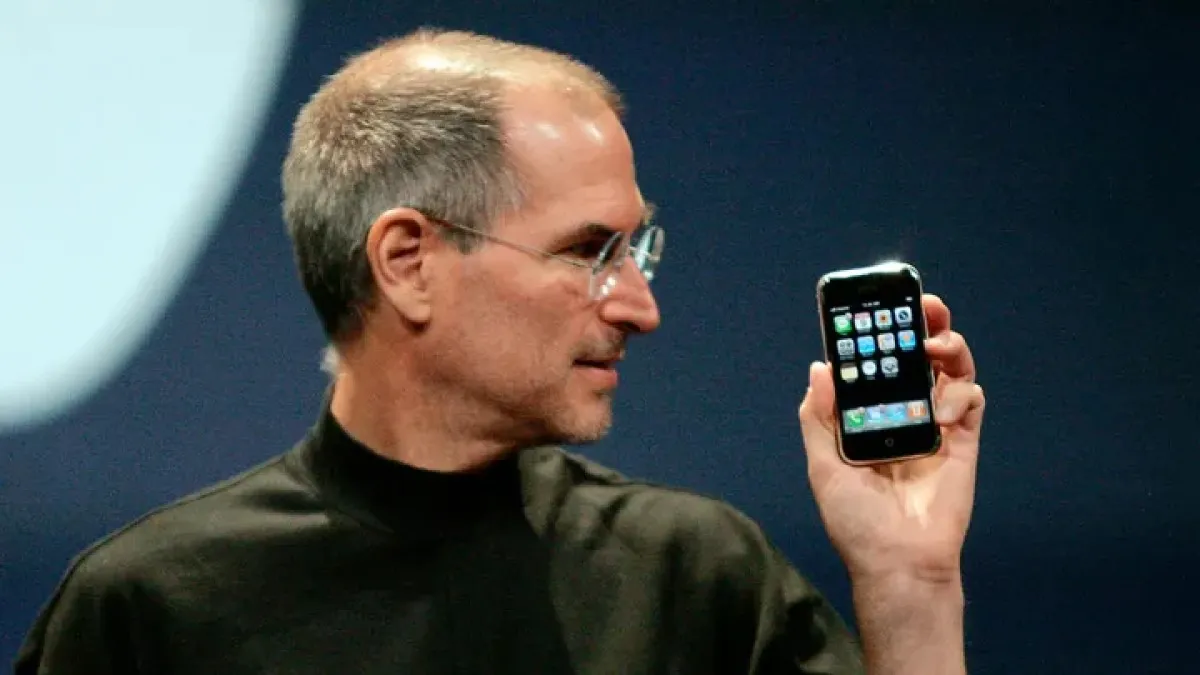
Everything changed in 2007 when Steve Jobs unveiled the first iPhone. During the presentation, he described the new device as three things at once—a phone, a music player, and an internet communicator.
In reality, the iPhone gradually absorbed many more categories of technology: compact cameras, GPS navigators, pocket organizers, voice recorders, calculators, e-readers, and dozens of other standalone gadgets.
It was this versatility that became its main advantage.
Whereas users previously had to carry several devices with them, the smartphone combined nearly all of their functions into a single device. And after the launch of the App Store in 2008, it gained another decisive advantage—an app ecosystem.
Any new feature could now be easily installed through the app store without having to buy a separate gadget.
This is where the main problem arose for all future “smartphone killers.” Every new device had to answer a very simple question: Why should a person give up a gadget that can already do almost everything?
Practice has shown that achieving this is much more difficult than developers initially thought. Most new products turned out not to be smartphone replacements, but merely another accessory for it.
Despite this, the industry never stopped trying. Almost every decade, a new idea emerged that, according to its creators, was meant to forever change the way people interact with technology.
The first major venture of this kind was Google’s augmented reality glasses—a project that many in the early 2010s hailed as the dawn of a new digital era.
Google Glass: The Glasses That Were Supposed to Change the World
If you were to ask someone today to name the first device that seriously contended to be the successor to the smartphone, most would mention Google Glass.
In the early 2010s, Google was at the peak of its growth. Android was rapidly conquering the mobile operating system market, YouTube had become the world’s largest video platform, and the company itself was increasingly unveiling projects that seemed straight out of science fiction.
It was during this period, deep within the secret Google X lab, that the idea was born to create a computer that a person would literally wear right before their eyes.
The world first saw Google Glass in 2012 during the Google I/O conference. The presentation instantly went viral. While company co-founder Sergey Brin was talking about the new product from the stage, a group of skydivers jumped from a blimp over San Francisco, streaming video in real time directly through the glasses.
They then landed on the roof of a building, passed the baton to cyclists, who in turn passed it to climbers who descended directly into the conference hall. At the time, it looked like a glimpse into the future.
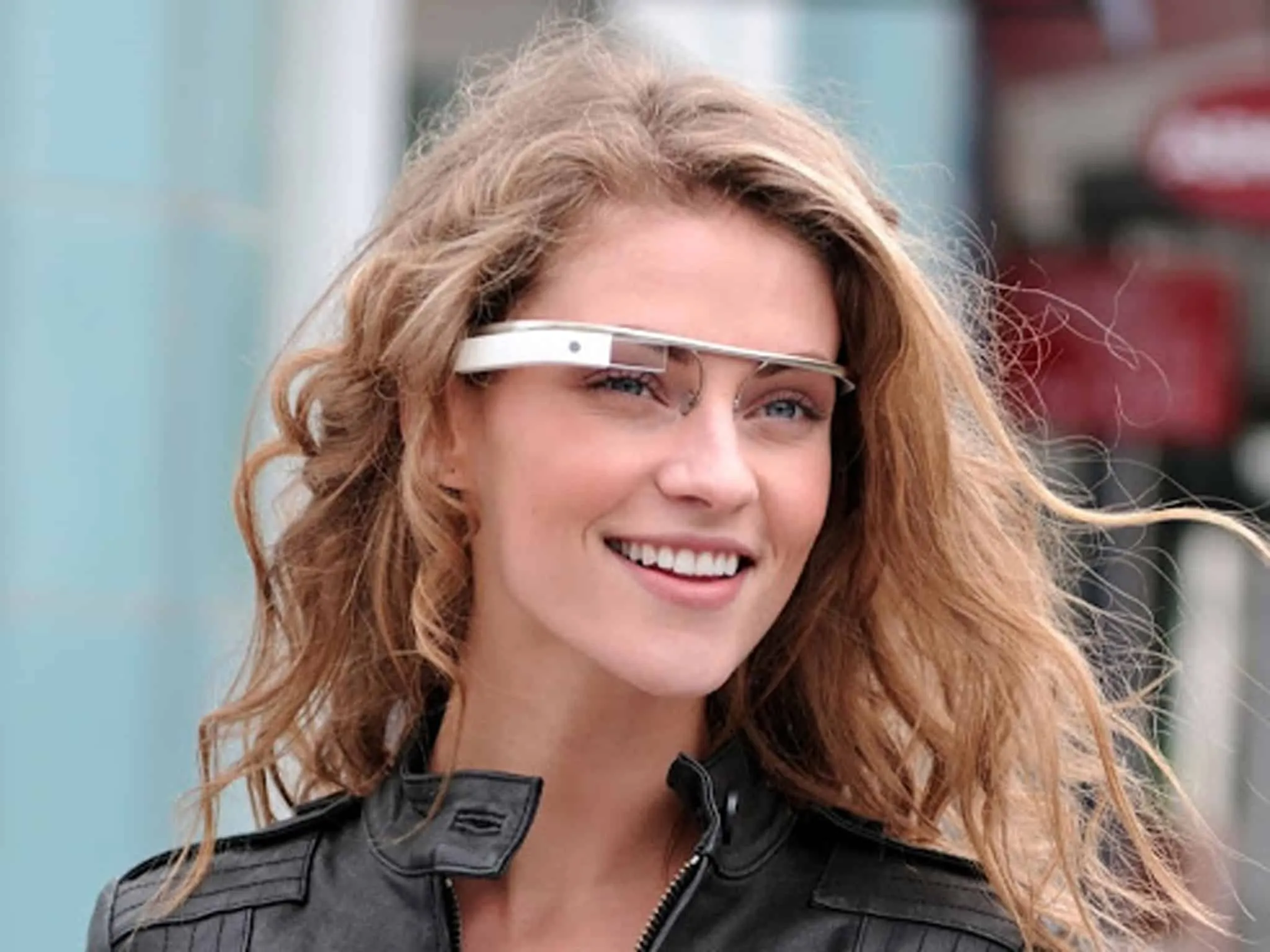
Unlike a smartphone, Google Glass offered a completely different way of interacting with the digital world. A small transparent display was positioned slightly above the right eye, and information seemed to “float” in front of the user. The glasses could take photos, record videos, map routes, display notifications, translate text, respond to voice commands, and even make video calls.
On paper, it looked like a true revolution.
However, the first problems began to surface almost immediately after the glasses reached the hands of ordinary users.
First and foremost, it turned out that the technology wasn’t yet ready for mass adoption. The battery life lasted only a few hours of active use. The camera was inferior even to smartphones of the time, and the display—which had seemed futuristic in presentations—proved less convenient in everyday life than a regular phone screen.
However, it wasn’t technical limitations that dealt the biggest blow to Google Glass. The main problem was privacy concerns.
People around them could never be sure whether hidden video recording or photography was taking place. Because of this, Google Glass wearers were increasingly asked to remove their glasses in bars, restaurants, casinos, movie theaters, and even offices.
In the U.S., the ironic term “Glasshole” emerged—a name given to people who constantly wore Google Glass and annoyed those around them.
Why Google Glass Lost Out to Smartphones
Despite its high-profile launch, Google Glass never became a mass-market product.
There were several reasons for this.
First, the glasses didn’t solve any problem better than a smartphone. Almost every function—from taking photos to navigation—could be performed faster and more comfortably on a phone.
Second, users weren’t ready to wear a conspicuous piece of tech on their face all day long.
Third, the high price and short battery life made Google Glass more of an expensive experiment than a product for the general public.
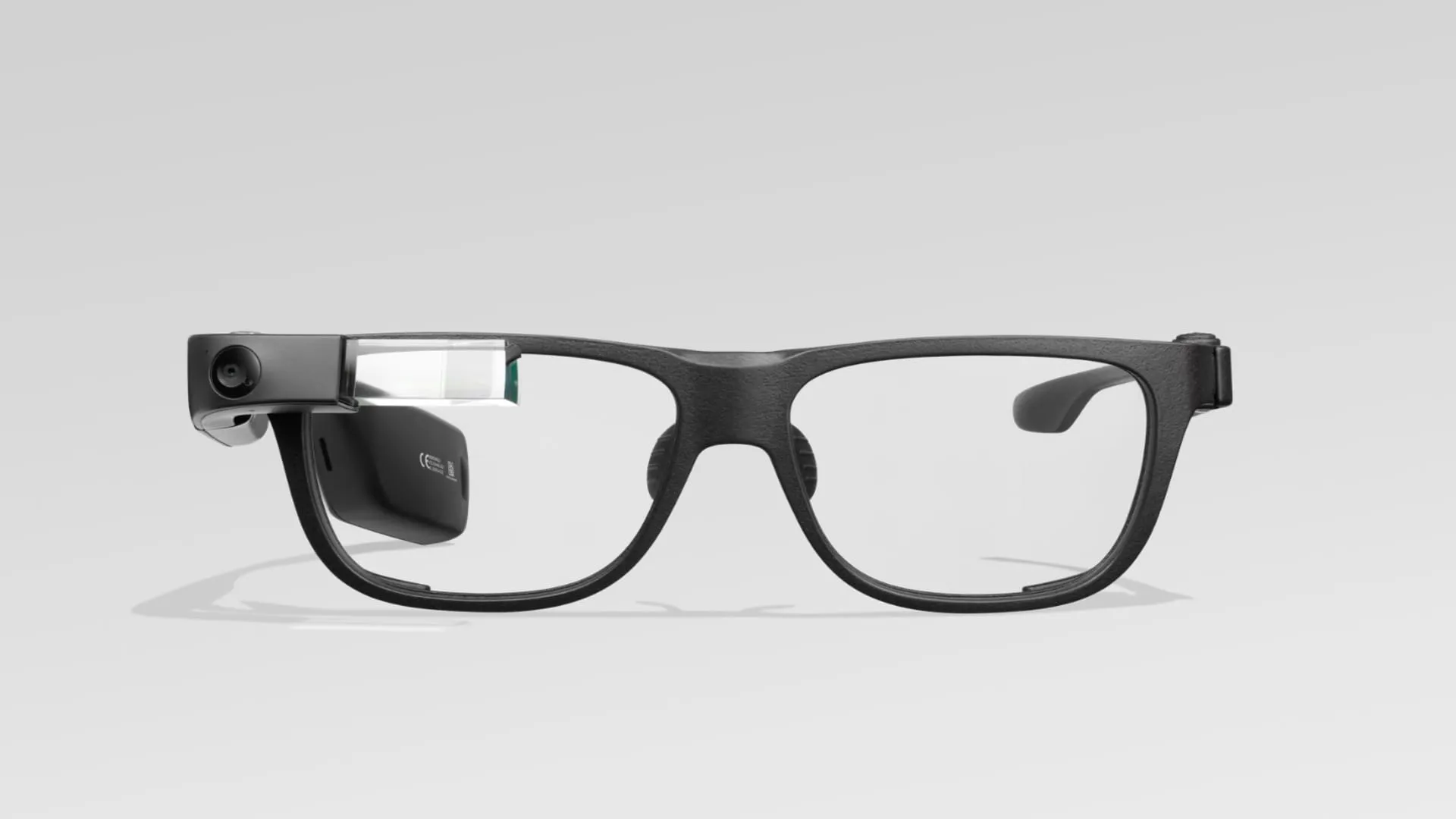
As early as 2015, Google discontinued the Explorer Edition program and subsequently shifted the project to the enterprise segment. The glasses began to be used in factories, logistics, and healthcare, but there was no longer any talk of a revolution in the consumer market.
In 2023, the company finally discontinued support for the consumer version of Google Glass.
It seemed the story had come to an end: people weren’t ready to give up their smartphones for a pair of glasses.
But that didn’t stop another tech giant. While Google was winding down its ambitious experiment, Microsoft was already working on a device that, in its view, was meant not just to replace the phone, but to completely transform the way people interact with the digital world.
Microsoft HoloLens was intended to replace not only the smartphone but also the computer
In January 2015, the company unveiled Microsoft HoloLens—an augmented reality headset that, according to the developers’ vision, was meant to literally blend the digital and physical worlds.
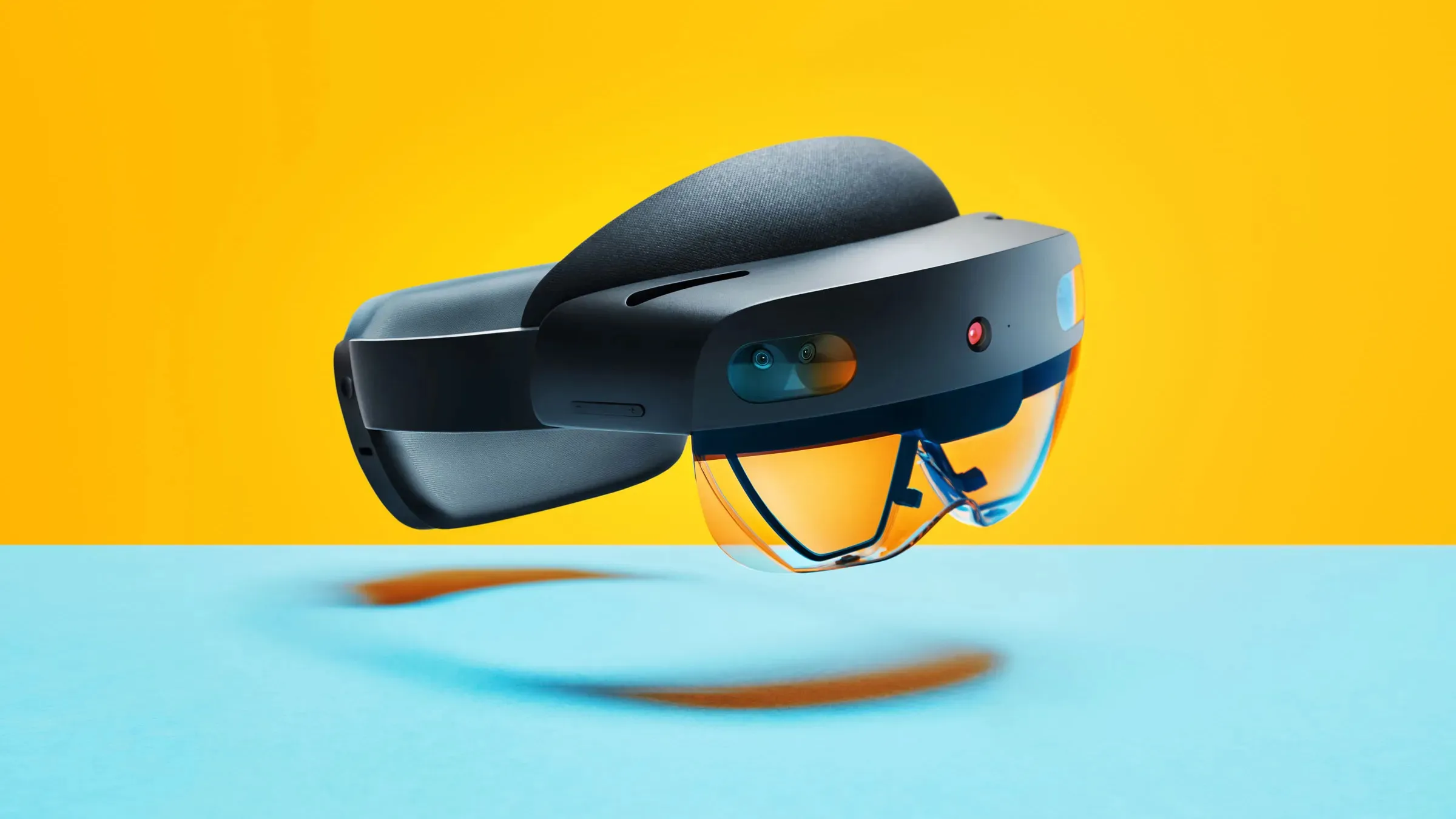
While Google Glass merely displayed information in front of the user’s eyes, HoloLens “placed” three-dimensional objects directly in the room. Virtual monitors could be mounted on the wall, a 3D model of a house could be placed on a table, and digital tools could be used as if they existed in the real world.
During the presentation, Microsoft demonstrated almost fantastical use cases. Architects designed buildings right in mid-air, doctors studied 3D models of the human body, engineers repaired equipment while viewing step-by-step instructions right before their eyes, and gamers turned their own apartments into Minecraft battlefields.
For the mid-2010s, all of this looked like scenes from a science-fiction movie.
At the time, many analysts said that Microsoft wasn’t just creating a new gadget, but the next stage in the evolution of personal computers. Some even speculated that in a few years, people would work without laptops or smartphones—all they’d need to do is put on a headset.
But it quickly became clear: this wasn’t a product for everyone. The first hurdle was the price.
The first version of HoloLens cost $3,000 and was aimed primarily at developers. For the average consumer, it was far too expensive.
The second problem was the technology’s physical limitations.
The headset was heavy, had a relatively narrow field of view, and prolonged use quickly caused fatigue. What looked great during demonstrations turned out to be less comfortable in real life.
But the biggest problem was, once again, similar to the one Google Glass faced.
People didn’t understand why they needed it on a daily basis.
While everyone needs a smartphone—for calls, messages, banking, navigation, or photos—HoloLens didn’t offer such a universal use case. It was an incredibly interesting tech product, but not one you’d want to carry around with you all the time.
Where the consumer market failed, the corporate market opened up
Despite the lack of mass-market success, HoloLens cannot be called a complete failure.
Microsoft quickly realized that its headset was far more appealing to large companies than to everyday users.
It began to be used by:
- Boeing engineers during aircraft assembly;
- medical professionals for training and planning surgeries;
- industrial companies for remote employee support;
It was then that it became clear: augmented reality truly has a huge future, but not at all where many had expected in 2015.
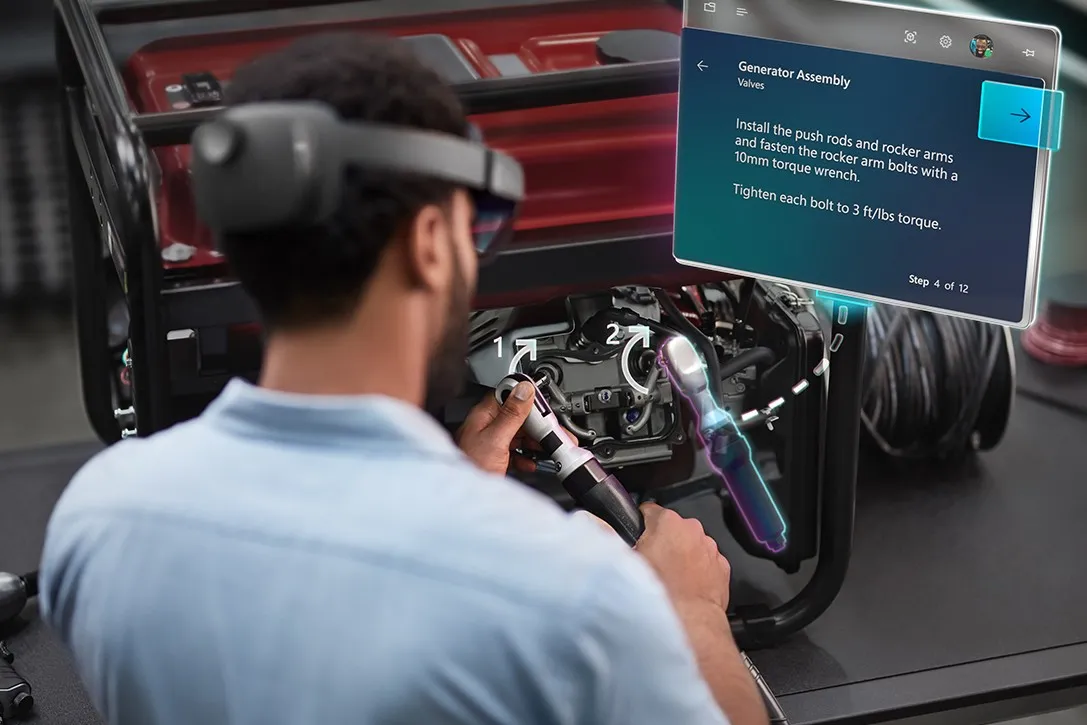
As a result, Microsoft effectively abandoned the idea of turning HoloLens into a consumer product and focused on the corporate market.
Another gadget that was supposed to be a game-changer turned out to be an excellent tool for niche professional tasks, but failed to convince millions of people to give up their smartphones.
After that, relative silence fell over the industry. It seemed that major companies had resigned themselves to the fact that replacing the phone was not yet possible.
But at the end of 2023, the topic resurfaced. This time, it was thanks to a small square device that attached to clothing and was set to become the world’s first screenless AI gadget. Many called the Humane AI Pin the most serious contender for the title of “smartphone killer” since Google Glass.
Humane AI Pin: The Gadget That Had All of Silicon Valley Believing
If Google Glass was a technology ahead of its time and HoloLens was too expensive an experiment, the Humane AI Pin arrived just as the world was already obsessed with artificial intelligence.
The end of 2023 marked the beginning of a true AI boom. Following the success of ChatGPT, virtually every tech company was trying to find a way to integrate artificial intelligence into everyday life. And that’s when the startup Humane declared: smartphones are no longer necessary.
Unlike most startups, Humane enjoyed a huge amount of trust even before unveiling its first product.
It was founded by former Apple executives Imran Chaudhry and Bethany Bonjourno, who had spent more than twenty years working on the iPhone, iPad, Apple Watch, and other iconic devices.
The company raised over $230 million in investments. Among its partners and investors were Microsoft, Qualcomm, OpenAI, Salesforce CEO Marc Benioff, and other well-known figures in the tech industry.
For a startup that hadn’t even released a finished product yet, that was a colossal amount of money.
AI Instead of a Screen
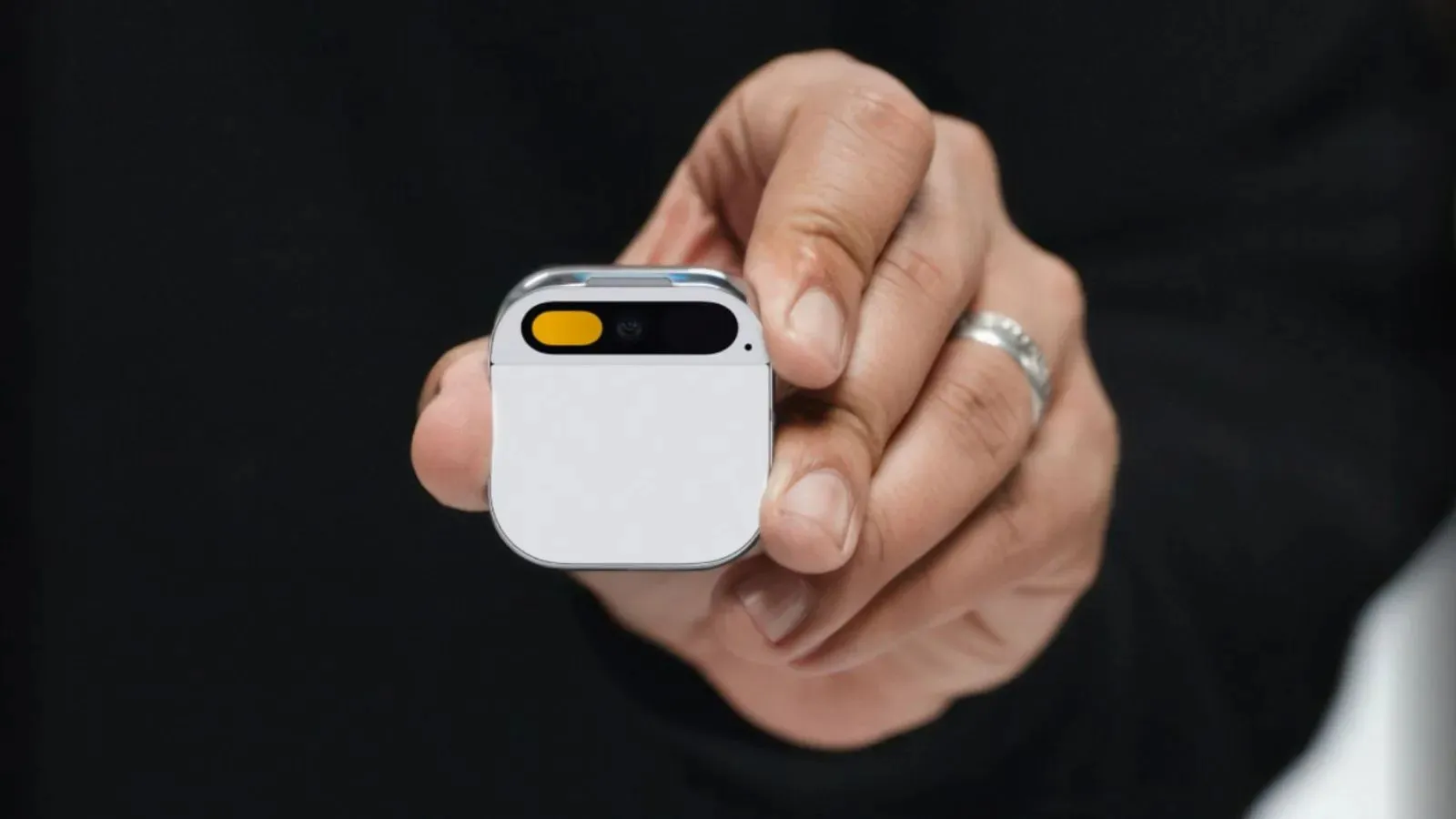
In November 2023, Humane finally unveiled the AI Pin. On the outside, it looked more like a stylish badge or a small brooch that the user could clip onto a shirt or jacket.
The idea was as simple as possible. The gadget had no traditional display.
Instead, the user interacted with it using their voice, and information was projected by a laser directly onto the palm of their hand. A camera and microphones analyzed the surrounding environment, while artificial intelligence answered questions, translated speech in real time, searched for information, wrote messages, made phone calls, took photos, and could even summarize emails.
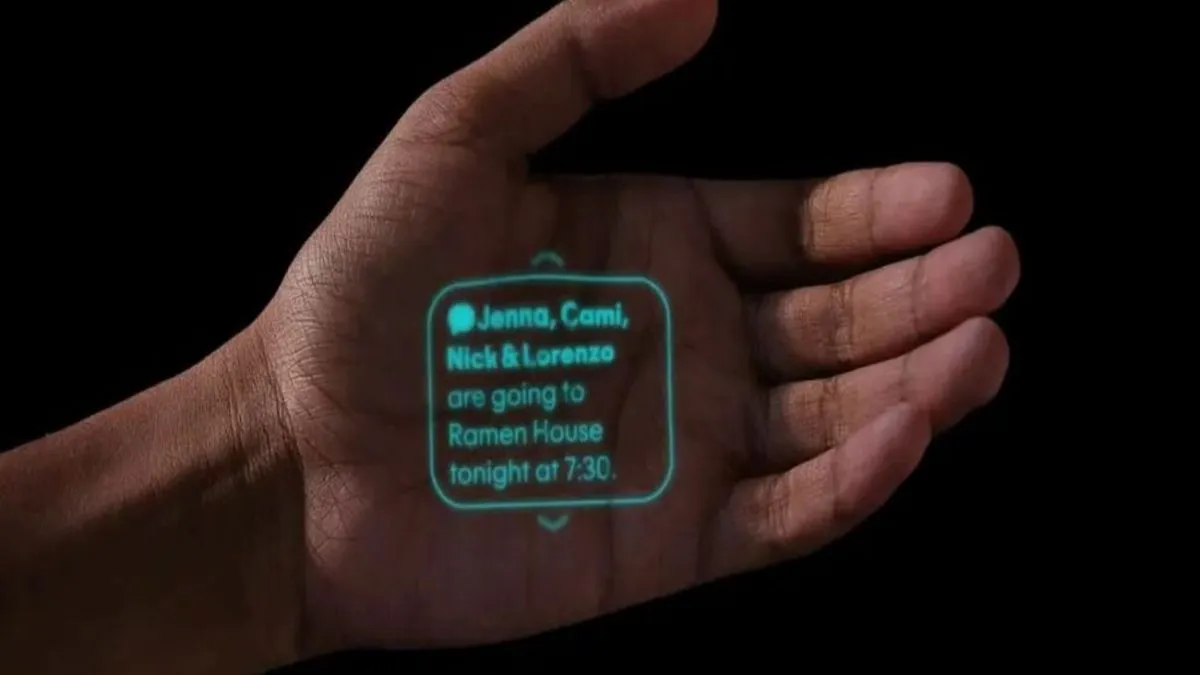
All of this was supposed to work without having to take a smartphone out of your pocket.
In fact, Humane was proposing a completely new concept for interacting with technology.
After the presentation, nearly all of the world’s major media outlets wrote about the AI Pin. The Verge, Wired, Bloomberg, CNBC, and dozens of other publications called it one of the most interesting tech products of recent years.
Many even drew parallels to the first iPhone presentation. It seemed like this time, everything might actually work out.
However, reality turned out to be much harsher. The first buyers received their devices in the spring of 2024. And in just a few days, the wave of enthusiasm turned into a wave of criticism.
Tech media reviewers almost unanimously reached the same conclusion: the Humane AI Pin isn’t ready for everyday use.
Problems began to surface one after another. Users were most disappointed by the device’s performance speed.
Queries that ChatGPT or other AI services could handle in a matter of seconds on a smartphone took significantly longer to process on the AI Pin. For a device that was supposed to make life easier, even delays of just a few seconds proved to be critical.
The second major drawback was battery life.
The battery drained quickly, so the manufacturer even included extra replacement batteries with the device. But even that didn’t solve the problem—users had to worry not only about the gadget itself but also about spare batteries.
The idea of laser projection onto the palm proved no less controversial. At the presentation, it looked futuristic.
In real life, reading text from your hand turned out to be less convenient than simply looking at a smartphone screen.
The price was another blow. The AI Pin itself cost $699, but that wasn’t enough. To use the device, users also had to sign up for a monthly subscription to mobile service and cloud-based AI services.
As a result, users ended up with a gadget that was more expensive than many modern smartphones, yet couldn’t fully replace them.
The Biggest Problem with the AI Pin
However, the main reason for its failure wasn’t even the battery or the cost.
The AI Pin failed to answer the question that haunts all contenders for the title of “smartphone killer”: Why should a person give up their phone?
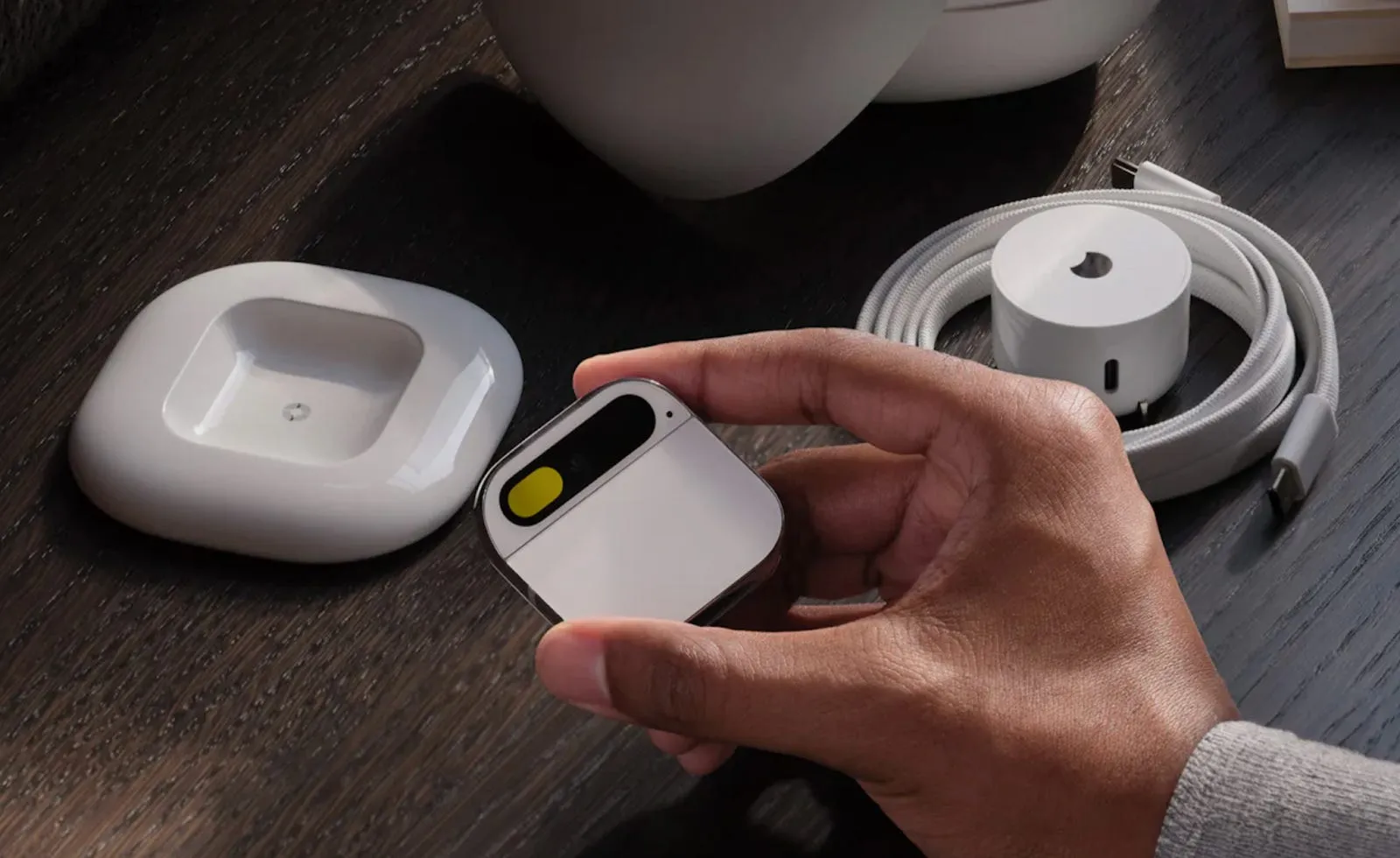
As a result, the AI Pin turned out not to be a replacement for a smartphone, but just another device that users had to carry around with them.
Following a wave of negative reviews, AI Pin’s sales fell significantly short of the company’s expectations. The startup began searching for a strategic buyer, and by 2025, its key assets and team had been acquired by HP.
The company halted development of the AI Pin consumer platform, effectively acknowledging that its ambitious attempt to create the first mass-market screenless AI gadget had fallen short of expectations.
This became one of the most high-profile tech failures in recent years.
The irony was that while Humane was trying to convince people to give up their smartphones, another small startup was already preparing its own “iPhone killer.”
It looked even stranger—a bright orange box without the usual set of apps, promising to perform any task using nothing but artificial intelligence. That’s exactly how the Rabbit R1 made its debut.
Rabbit R1: The Bright Orange Box That Sold Out in a Matter of Days
In early 2024, at the CES trade show in Las Vegas, Rabbit unveiled a small, bright-orange gadget called the Rabbit R1. On the outside, it looked more like a children’s toy or a compact music player from the early 2000s than a high-tech device.
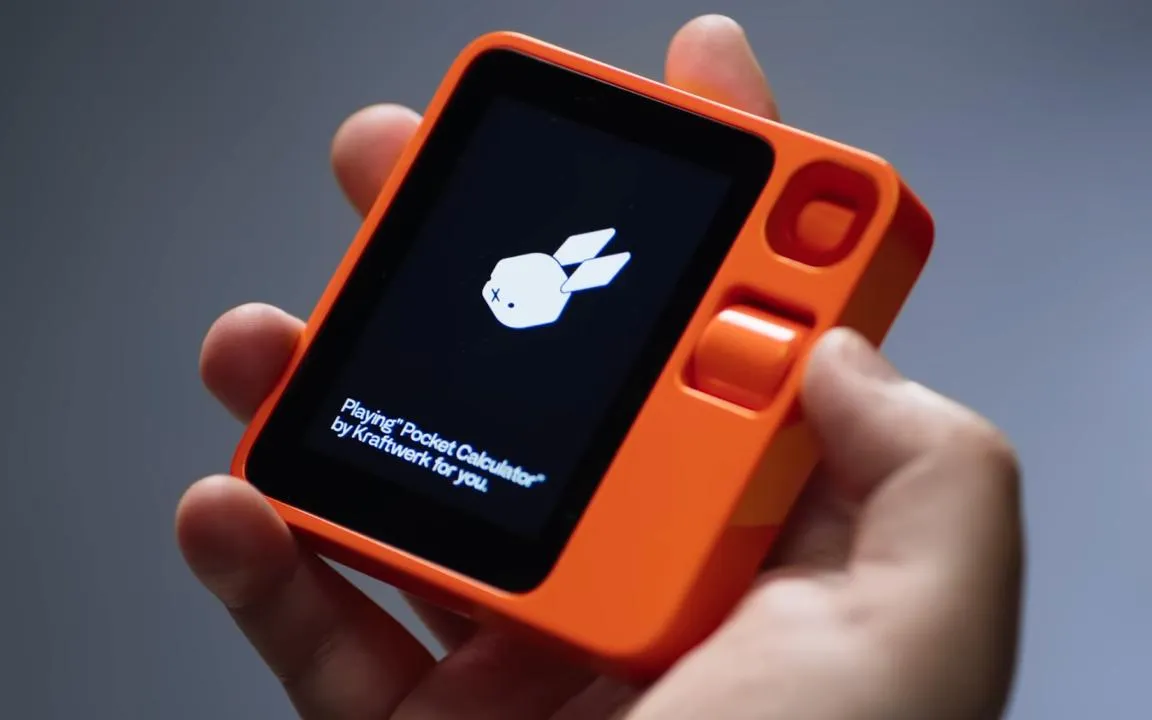
Just a few days after the presentation, the company announced that the first batch of 10,000 devices had completely sold out. Soon after, tens of thousands more gadgets were sold, and the Rabbit R1 became one of the most talked-about tech products of the year.
Unlike Humane AI Pin, Rabbit said almost nothing about its device’s specifications.
The company was selling a completely different idea.
Its founder, Jesse Liu, explained that the main problem with modern smartphones isn’t their capabilities, but their overly complex user interface. Every day, people open dozens of apps, tap hundreds of buttons, and waste time on routine tasks.
Rabbit promised to change that.
At the heart of the concept was Large Action Model (LAM) technology. While large language models, such as ChatGPT, had learned to work with text, LAM was designed to learn how to perform real-world tasks.
In essence, Rabbit proposed transforming artificial intelligence from an assistant into a digital secretary.
It was this concept that sparked enormous interest among investors and journalists.
Early reviews quickly shifted the mood
When journalists received Rabbit R1 for testing, it turned out that the actual user experience differed significantly from the presentations.
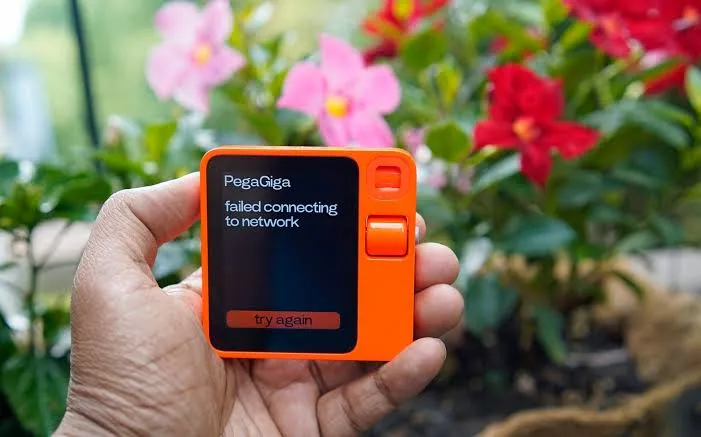
One of the main problems was the AI’s unstable performance.
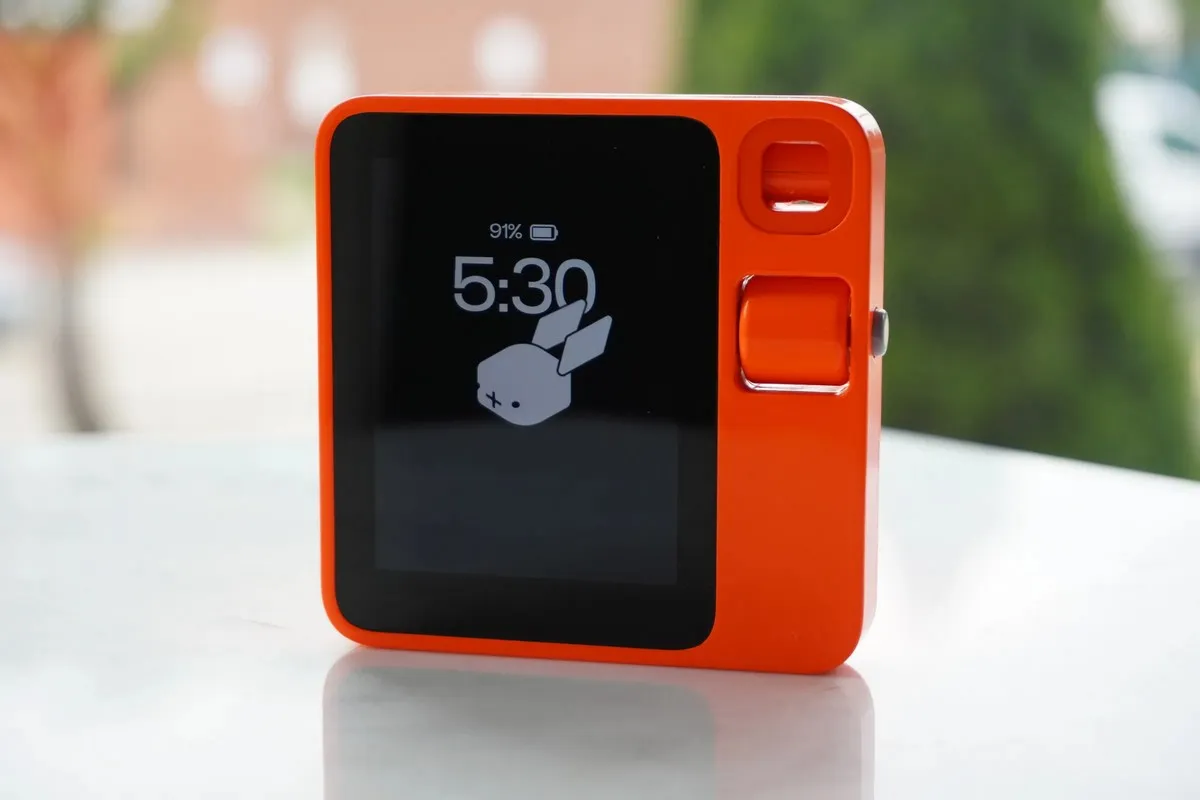
The device didn’t always understand commands correctly, often required repeated requests, or was completely unable to perform the tasks demonstrated on stage during the presentation.
Even more questions arose about the concept itself.
Journalists quickly noted that most of the Rabbit R1’s features can already be performed on a regular smartphone.
After testing it, The Verge concluded that the Rabbit R1 resembles an early prototype more than a finished product for the mass market.
An Additional Scandal
Shortly after sales began, Rabbit faced yet another problem.
Android developers discovered that, in certain respects, the Rabbit R1’s software could function like a regular Android app.
As a result, people online began claiming that a significant portion of the gadget’s features could be implemented without a separate device—all it would take is installing the corresponding app on a phone.
Rabbit categorically denied these claims, emphasizing that its main value lies precisely in its proprietary AI system and server infrastructure.
Rabbit’s story almost mirrored Humane’s fate. In fact, the Rabbit R1 didn’t eliminate the phone from people’s lives.
It merely added another device that needed to be charged, carried around, and configured.
That’s exactly why, after the initial hype, interest in it began to fade rapidly.
Why All the “Smartphone Killers” Failed
The stories of Google Glass, Microsoft HoloLens, the Humane AI Pin, and the Rabbit R1 are very different, but they share one common pattern. Each of these devices offered a new way to interact with technology, but none could give users a compelling enough reason to give up their smartphones.
In most cases, the new gadgets didn’t replace the phone; they merely duplicated its functions. Tasks that could be performed on the AI Pin or Rabbit R1 were often completed more quickly on a regular smartphone. Google Glass and HoloLens, in turn, proved to be too expensive, bulky, or ahead of their time.
That is precisely why OpenAI’s new project is generating so much interest. The company aims not just to create yet another unusual gadget, but to solve a problem that dozens of its predecessors have failed to tackle.
So far, however, history suggests the opposite: for nearly twenty years, tech giants have been trying to “kill off” the smartphone, but each time they only confirm its main advantage—its versatility. And it seems that this very versatility remains the most significant barrier to any new revolution in the world of consumer electronics.


