
Kenyan Defense Ministry official calls space a strategic resource — Nation Kenya
In Kenya, space technologies are viewed as a tool for economic development, national resilience and expanding access to services. This was written by Patrick Mariru, the Chief Secretary of Kenya’s Ministry of Defence, in a column for Nation Kenya.
According to Mariru, technologies and data from space can help with weather forecasting, navigation, agriculture, telecommunications and emergency response. Kenya’s space activities date back to the establishment of a space center in Malindi in the 1960s, and in 2017 the country established the Kenya Space Agency.
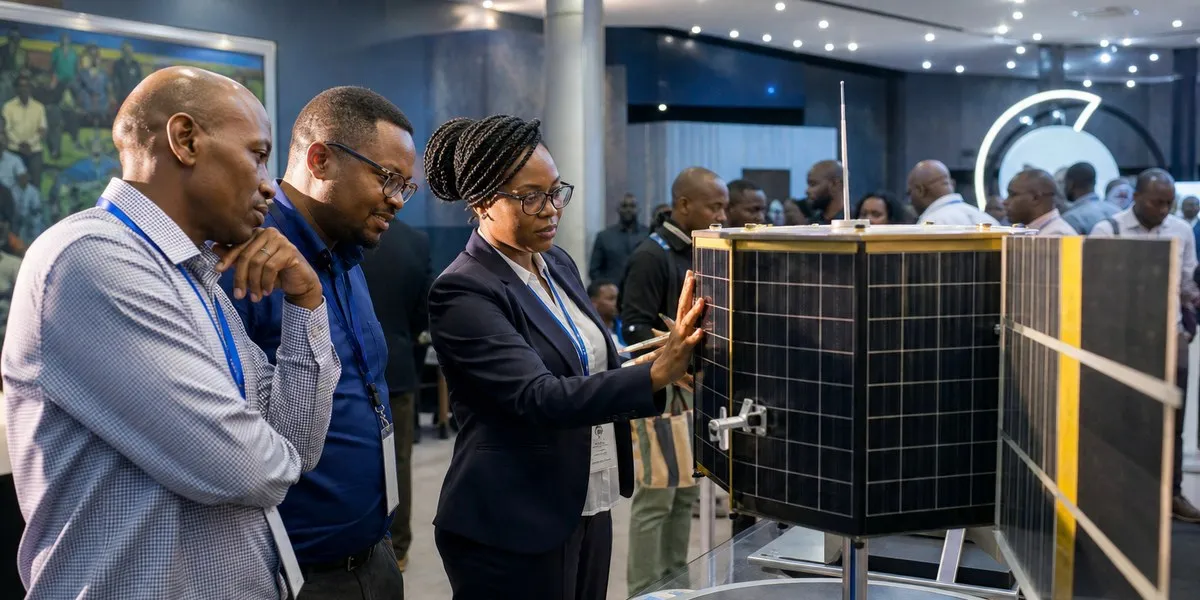
Taifa-1 satellite
An important milestone for the country was the launch in April 2023 of Taifa-1, Kenya’s first operational Earth observation satellite. Mariru noted that the project demonstrated the ability of Kenyan engineers and institutions to contribute to the development of complex space technologies.
More current news is available on the UA.News Telegram channel Telegram.
The Kenya Space Agency is housed within the Ministry of Defence and is mandated to promote, coordinate and regulate activities in the space sector. The country also holds the Kenya Space Expo and Conference annually, where local participants and international specialists discuss the opportunities offered by space science and technology.
Practical use of data
In the author’s view, satellite Earth observation can support the agricultural sector, urban planning, environmental management, disaster preparedness and efforts to address climate risks. Along the coast, such data can strengthen maritime monitoring and support the blue economy, while satellite communications can expand access to the internet, education, telemedicine and public services in underserved areas.
Mariru also stressed the dual-use nature of space capabilities. In his assessment, they can support secure communications, environmental monitoring, maritime domain awareness, border management and the protection of critical infrastructure. Software developers, data specialists, engineers, researchers, entrepreneurs and lawyers can contribute to the development of the sector.


