
An editor at The Verge called Dropbox a convenient way to recover data after a computer crash
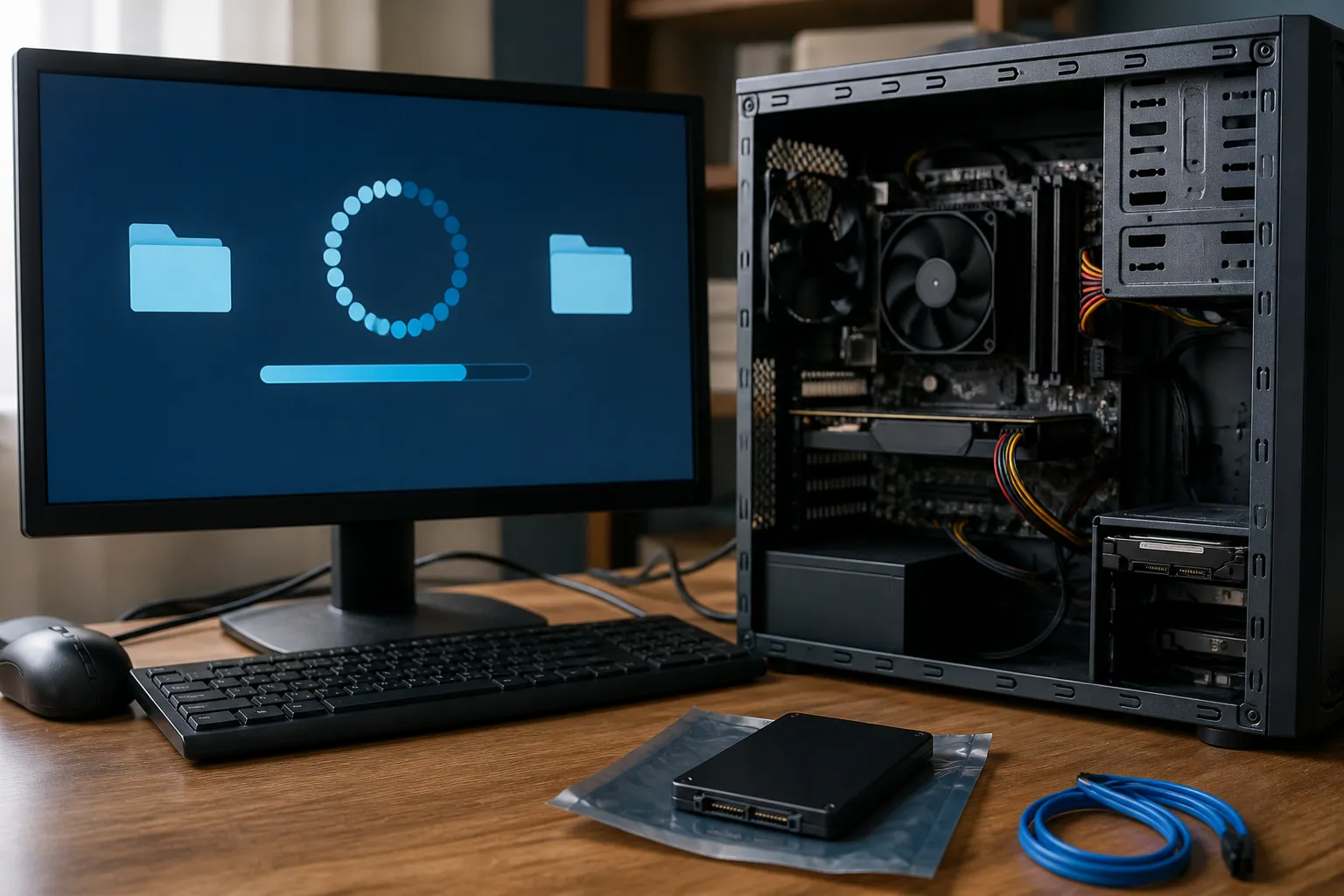
Ti Si Sottec, senior editor at The Verge, said that Dropbox’s cloud sync helped him recover his work files twice after the SSDs in his custom-built computer failed. He had set up the service to mirror data from his work partition, where graphics and Adobe InDesign, Photoshop, and Illustrator files were stored.
According to Sottack, two 2 TB Samsung 970 Evo SSDs in his PC stopped being recognized one after the other. After running tests, he concluded that the drives themselves were faulty, while the rest of the system’s components were functioning normally. After installing new storage, he estimates that syncing data from the cloud took less time than troubleshooting the issue and replacing the hardware.
The journalist has been using Dropbox for about eight years and notes that the service allows him to collaborate with others, transfer files up to 50 GB in size, and automatically sync modified files with cloud storage. He reported that he pays approximately $204 per year for a family plan covering up to six users. According to his information, an individual plan with 2 TB of storage costs $9.99 per month when paid annually.
For more breaking news, follow the UA.News Telegram channel.
Sottak also mentioned alternatives for backup: Backblaze offers a personal plan with unlimited storage for $99 per year, and Mac users may want to consider iCloud Plus. At the same time, he cautioned that syncing large amounts of data depends on the speed of the outgoing internet connection. In his experience, the service performed acceptably at upload speeds of around 20 Mbps, and downloading 1 TB of data from the cloud over a gigabit connection took about two hours.
The author emphasized that storing all files in the cloud isn’t suitable for everyone, particularly due to the sensitivity of certain data. He previously used local RAID arrays and storage systems isolated from the network, but considers cloud backup a practical option for protecting against data loss in the event of a computer failure.




