
Signs of natural selection found in dogs of Ukraine’s Chornobyl zone — ScienceAlert
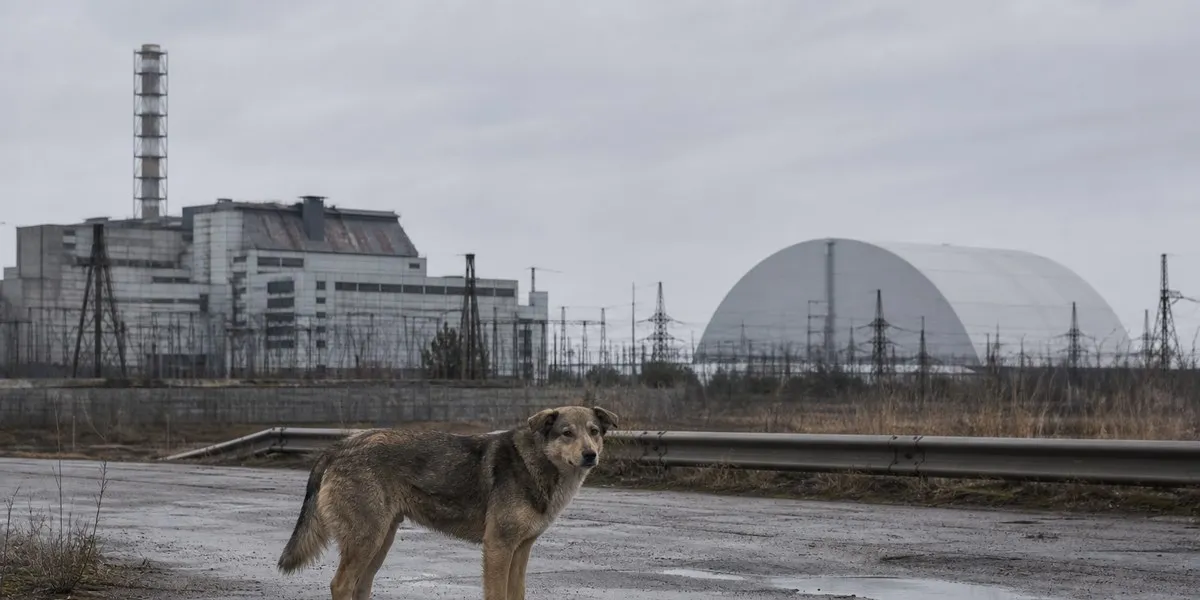
Dogs living near the Chornobyl Nuclear Power Plant in Ukraine have shown genomic signs that may indicate natural selection in a contaminated environment. Researchers analyzed whole-genome data from 106 animals collected in 2018–2019 near the nuclear plant and in the city of Chornobyl, located about 16 kilometers away. ScienceAlert reports on the results of the study, published in the journal Genes.
Differences between populations
After the Chornobyl disaster on April 26, 1986, Soviet authorities evacuated the population from the exclusion zone, covering an area of about 2,600 square kilometers. Many residents were forced to leave their pets behind. Some dogs managed to survive and later formed stable populations in the zone.
According to scientists’ estimates, several hundred dogs now live in the exclusion zone, at least partly descended from abandoned pets. These populations are more than 30 dog generations removed from the accident.
In previous work in 2023, the team found that dogs near the nuclear power plant are genetically different from animals living farther away from the facility. A further analysis in 2024 found no evidence that mutations were the cause of these differences.
More current news is available on the UA.News Telegram channel Telegram.
Possible natural selection
In the new study, scientists considered two possible explanations: random genetic drift in an isolated population and natural selection. They identified signs of changes concentrated in specific regions of the genome near genes associated with cancer, cell functioning and maintenance, infectious diseases, and immune response.
The authors emphasize that the results are not final confirmation of natural selection. At the same time, they believe the genomic signals found are consistent with the assumption that some dogs already had genetic variants that could increase their chances of surviving toxic exposure, provide a better immune response, or resistance to pollutants. Such advantages could have been passed on to subsequent generations.
Read more in ScienceAlert.




