
Scammers are using AI to geolocate vacation photos
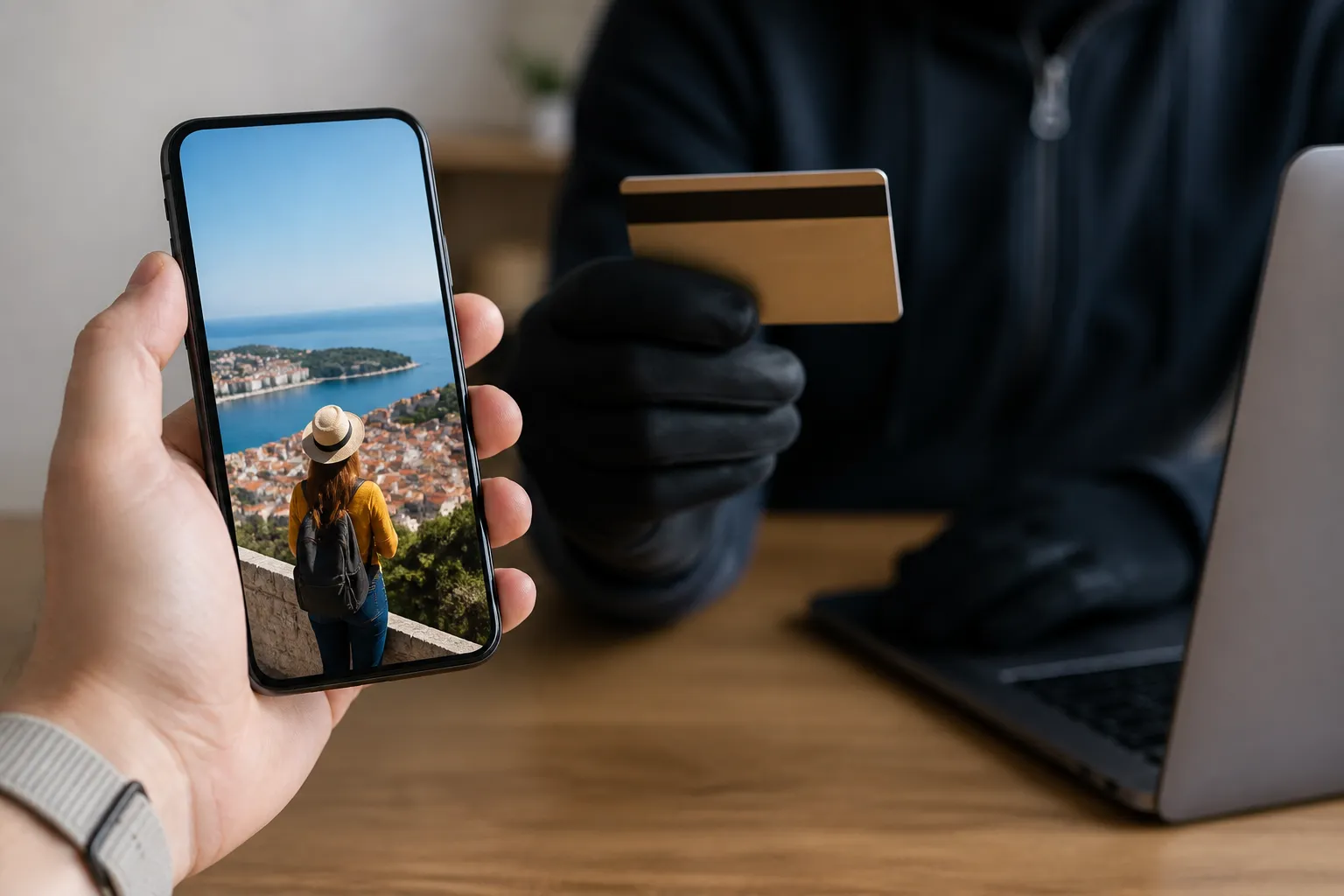
Scammers can use artificial intelligence tools to determine the location where vacation photos posted on social media were taken, and then send convincing phishing messages purporting to be from banks, according to The Guardian.
The scheme can start with a photo posted on Instagram or Facebook, even if the user didn’t include a geotag or mention the trip. The AI analyzes details in the image—architecture, signs, road markings, city skylines, lighting, or objects in the background—and attempts to determine where the photo was taken.
Afterward, the attackers may send an SMS or email claiming that a suspicious card transaction occurred during a trip to a specific city. The message may demand that the user urgently verify their banking information via a link. Knowing the travel destination lends credibility to such a request, even though its real purpose is to obtain financial information.
For more breaking news, follow the UA.News Telegram channel.
Antivirus software manufacturer McAfee tested two publicly available AI models on over 21,000 travel photos. One model correctly identified the location where 91% of the photos were taken, while the other identified 87%. The company noted that computers do not necessarily need geolocation tags or image metadata to do this.
According to Wonnie Hamot, McAfee’s EMEA regional director, AI adds context that can make scams and threats seem credible. It is easiest to identify photos featuring well-known landmarks, signs, cityscapes, street signs, retail outlets, or restaurants. Beaches and hotel interiors are harder to identify; however, according to McAfee, the system can at least determine the country where the photo was taken.
McAfee advises posting photos only after returning from a trip and limiting the number of people who can see your posts. You should also be wary of messages demanding immediate action, avoid clicking on links in text messages or emails, and contact your bank using the contact information on its official website or on the back of your bank card.


