
American laboratories are developing autonomous robots powered by AI
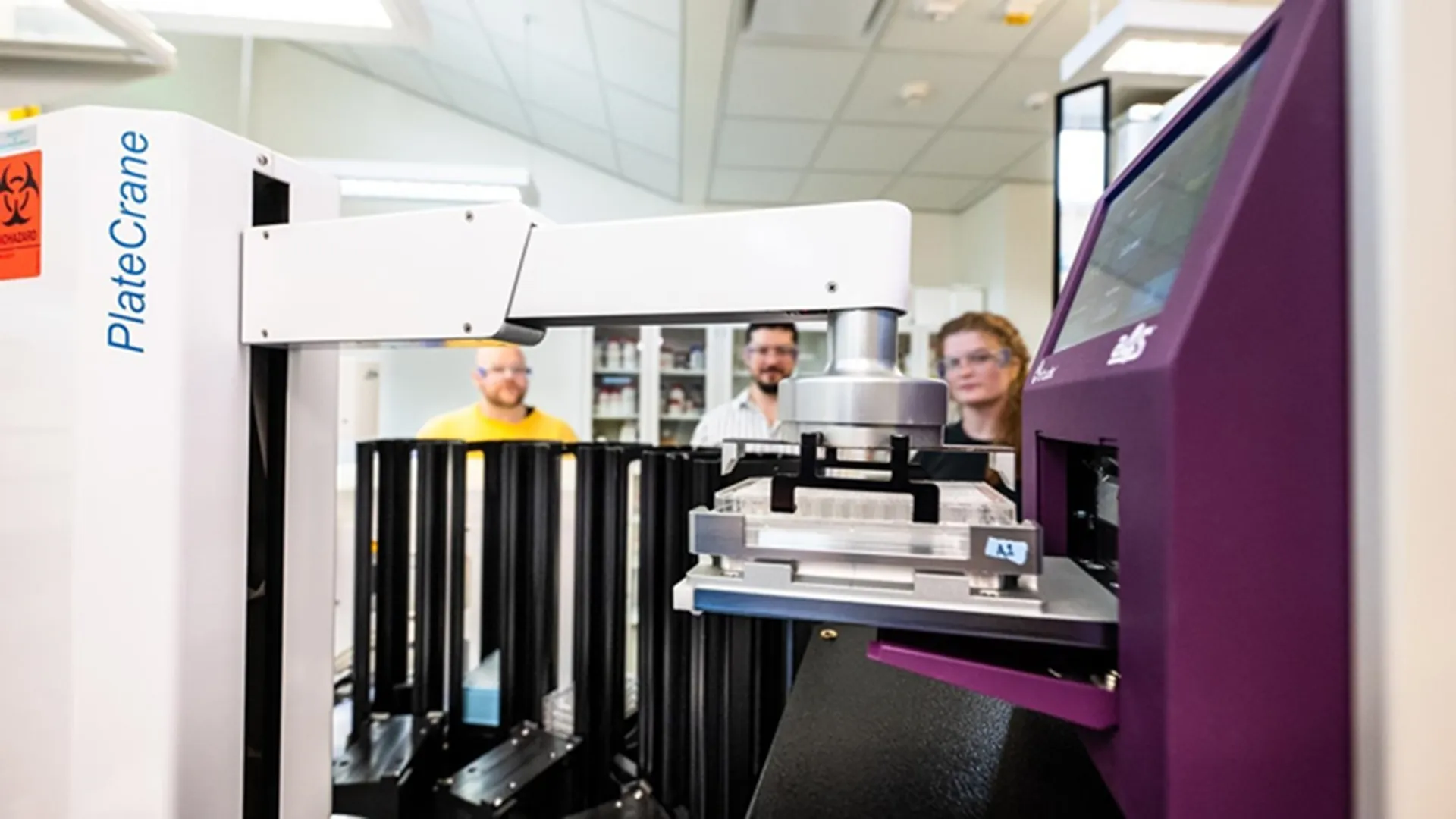
Researchers at Argonne National Laboratory in the U.S. are developing robotic assistants capable of teaching themselves how to perform complex experiments simply by observing human actions.
This is reported by the popular science and technology publication Interesting Engineering. The project, called RoSA, is being implemented as part of a broader U.S. Department of Energy program designed to dramatically accelerate the pace of scientific discoveries.
This new approach completely eliminates the need to manually write code for each individual manipulation. During the experiments, specialists will use special sensors that will record their every movement, sequence of actions, and decision-making process. The data obtained will form the basis of intelligent models, thanks to which stationary robotic arms and humanoid systems will be able to adapt to the changing conditions of a real laboratory environment.
All developed models will undergo preliminary testing in virtual simulators to ensure complete safety during subsequent work alongside humans. The new technology will also become an important part of the American OPAL project to create global networks of fully autonomous laboratories. The initiative’s authors expect that the use of artificial intelligence to perform routine and hazardous procedures will increase research efficiency by at least five times within a year.
Japan Airlines plans to launch a pilot program in May to use humanoid robots for baggage handling at Tokyo’s Haneda Airport. This is intended to partially offset staff shortages and reduce the workload on employees.
In Germany, there are plans to ban nighttime operation of robotic lawn mowers due to hedgehogs.




