
A revolutionary concept for the airliner of the future was unveiled in the U.S.
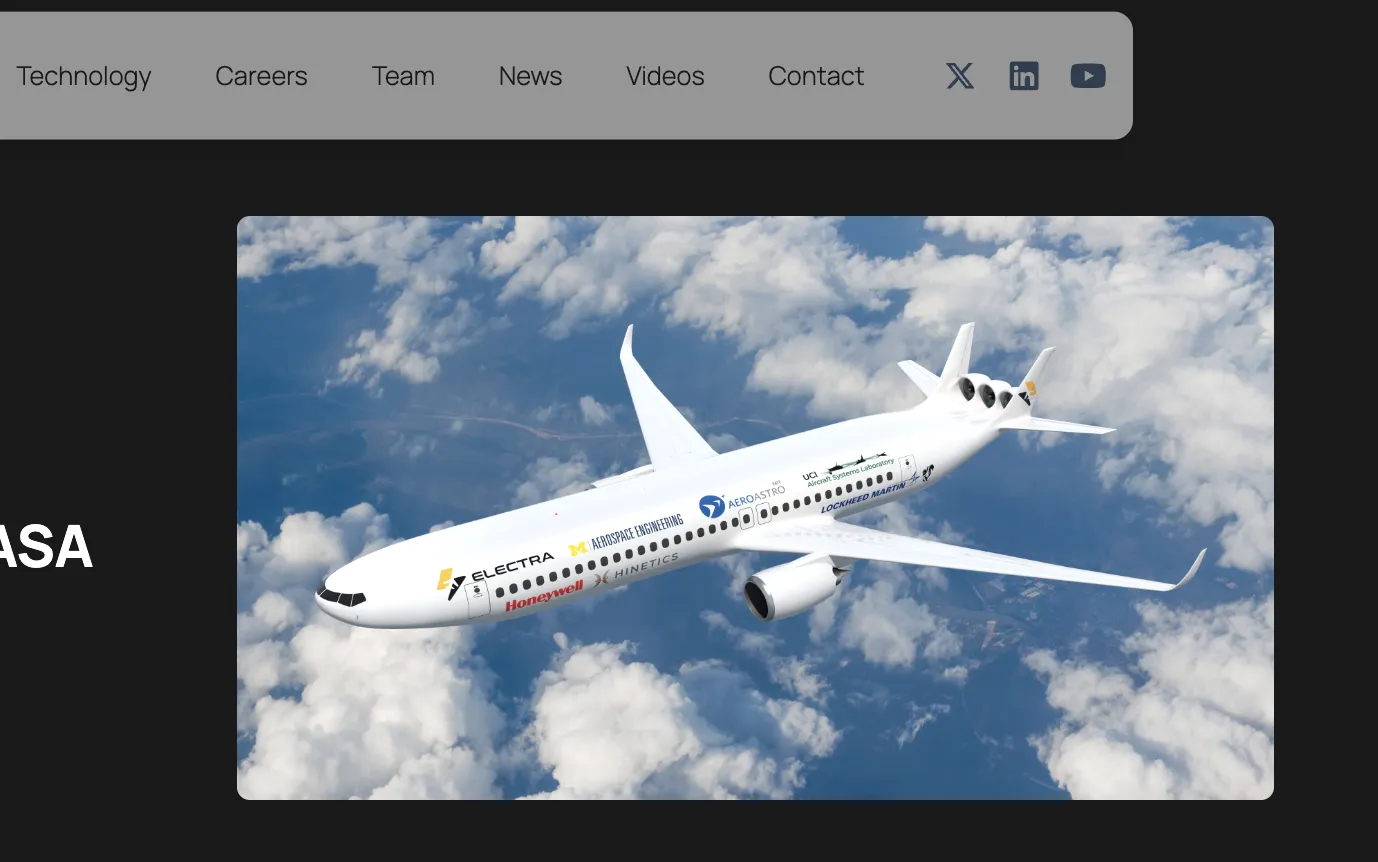
The American company Electra has unveiled its vision for a next-generation aircraft as part of NASA’s Advanced Aircraft Concepts for Environmental Sustainability (AACES) 2050 research program. The project aims to explore new approaches to the aviation of the future, with a focus on improving efficiency and reducing environmental impact.
The concept involves a large aircraft with a capacity of over 100 passengers. The AACES 2050 program itself was created to study aircraft concepts and technologies that could help shape commercial aviation in the 2040s, 2050s, and beyond.
The concept looks unusual: the wide fuselage itself generates part of the lift, and two turbofan engines not only provide thrust but also generate electricity for the tail fans. These fans use boundary layer absorption technology, accelerating the airflow along the fuselage.
According to calculations by American experts, this solution could deliver up to 17% in fuel efficiency beyond the improvements expected from new materials, engines, and aerodynamics by 2050.
Another feature of the concept is a two-aisle cabin, similar to those found in large modern wide-body aircraft, but within the dimensions of a modern narrow-body aircraft. According to the developers, this should improve comfort and speed up passenger boarding and deplaning. The developers emphasize the realism of their concept.
“We can radically improve the interaction between the airframe and the powerplant while remaining grounded in the real-world operations of airlines and airports. Our goal is not just efficiency on paper, but concepts that we can actually implement, certify, and use,” says Parker Waschik, Director of Product Strategy at Electra.
It is important to note that the project does not require radical changes to infrastructure. The aircraft will be able to use conventional jet fuel or SAF (sustainable aviation fuel) and will fit into standard maintenance procedures.
Electra’s partners in the NASA program include American Airlines, Honeywell Aerospace, Lockheed Martin Skunk Works, and several leading universities, according to the company’s website.
Recently, Chinese electric vehicle manufacturer HiPhi unveiled the A electric super sedan, which will be capable of accelerating from 0 to 100 km/h in just over 2 seconds.
Tesla has removed a clause from the Cybertruck sales contract that prohibited buyers from reselling the electric vehicle within the first year of purchase.
Tesla won its first U.S. lawsuit regarding allegations that its Autopilot feature caused a fatality.


