
Wetherspoon restricts use of Meta Ray-Ban smart glasses — Cyprus Mail
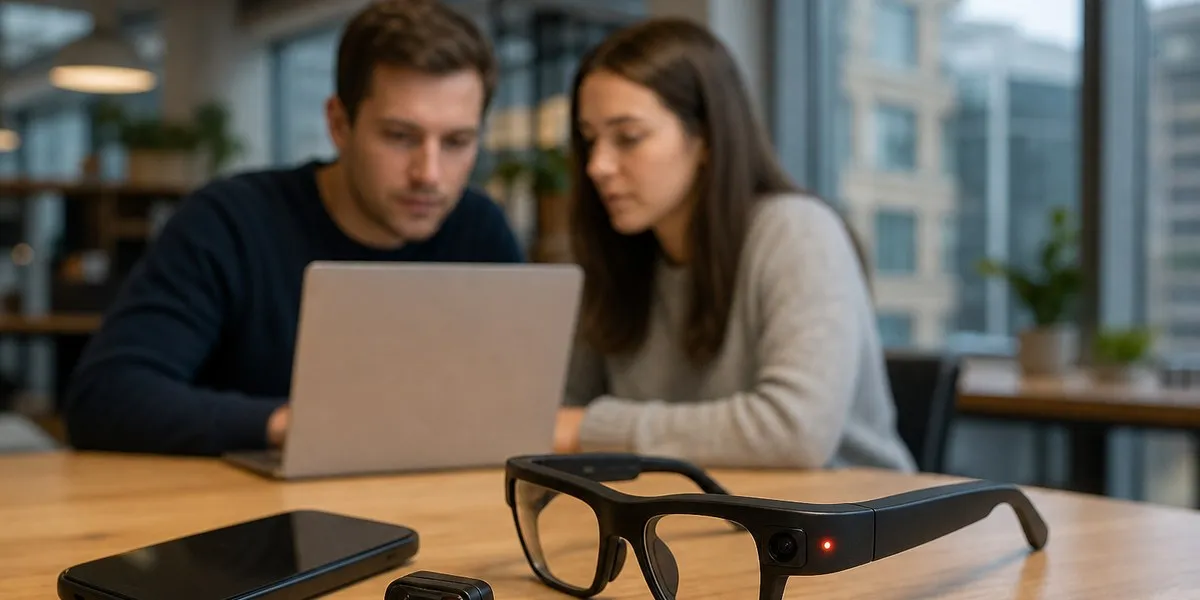
In the United Kingdom, the Wetherspoon pub chain and several other establishments have restricted the use of Meta Ray-Ban smart glasses. The devices, which can see, hear and respond to their surroundings, have become the subject of controversy over concerns about covert recording and privacy violations, Cyprus Mail reports.
Technology companies view artificial intelligence devices as a possible next major computing platform after smartphones. At the same time, cameras, microphones and the collection of environmental data that can make such gadgets more useful may hinder their adoption if manufacturers do not gain public trust.
Lawsuit against Meta and Luxottica
Ryan Clarkson's law firm represents consumers in a lawsuit against Meta and Luxottica of America. The plaintiffs allege that the companies allegedly misled users about the privacy protections of the smart glasses.
The lawsuit states that after recordings were uploaded to Meta's servers, they were reviewed and labeled by human annotators to train artificial intelligence systems. According to the plaintiffs, the materials included footage of people changing clothes, using bathrooms or working with financial information.
More current news is available on the UA.News Telegram channel Telegram.
Meta disagreed with the allegations and said it would challenge them. The company also stated that a light indicator operates during recording and cannot be turned off, while the camera is deactivated if the indicator is covered or damaged.
Manufacturers seek alternatives
Some developers are trying to reduce privacy concerns through device design. Shenzhen-based startup Even Realities released its camera-free G1 glasses in 2024, and its G2 model was released in November 2025. Company founder Will Wang believes cameras should be added only after more reliable protection mechanisms are introduced.
Pocket offers a recorder that attaches to a phone and requires a button press to record conversations. According to the company, about 170,000 such devices were in use eight months after launch. Plaud sells recording devices that capture sound only after activation and warn people nearby with a light signal or audio notification.
Samsung plans to enter the smart-glasses market later this year together with Gentle Monster and Warby Parker, but does not view such devices as a replacement for smartphones. OpenAI CEO Sam Altman has said that always-on devices should process data locally rather than continuously transmitting it to cloud servers.




