
Nearly 8,000 RNA editing sites found in squid — ScienceAlert
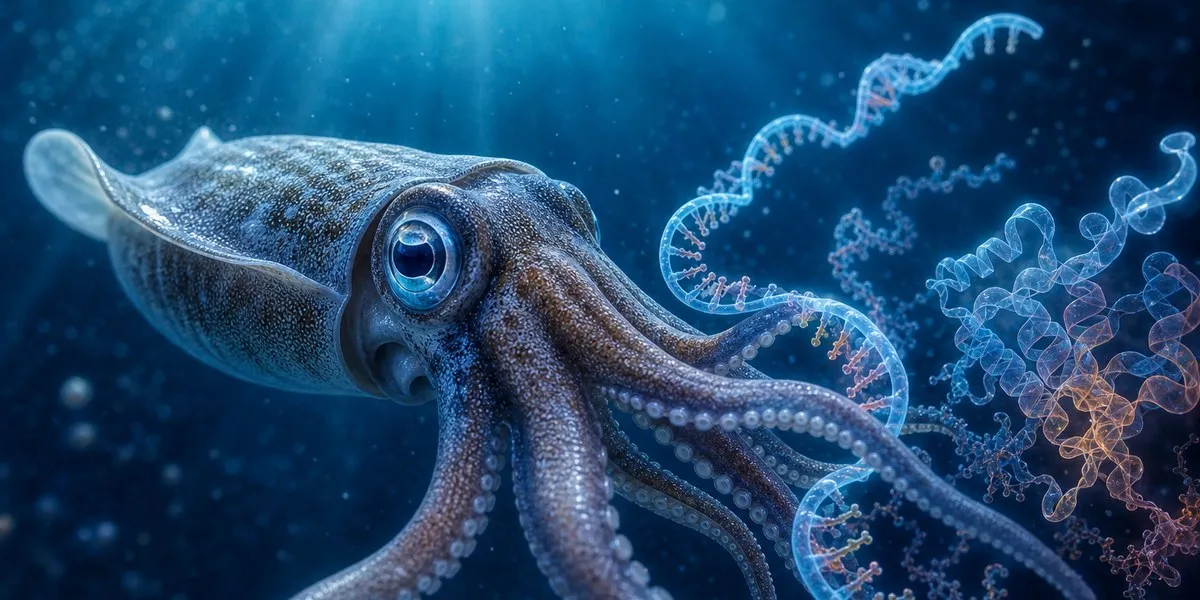
Scientists studying the longfin inshore squid Doryteuthis pealeii have identified nearly 8,000 RNA editing sites in more than 2,000 proteins. This editing can alter protein properties without changes to the animal’s DNA, ScienceAlert reports.
The study was published in the journal Cell. It was conducted by a team led by biologists at the University of California, San Francisco. The scientists examined the squid proteome — a collection of approximately 24,000 proteins — to determine the consequences of RNA editing for cellular processes.
Effects on proteins and organelles
According to the study’s first author, Jack Moen, editing affected the activity, stability and location of proteins within the cell, as well as their interactions with other proteins. The researchers also found that the effects of these changes may concern the state of organelles — the cell’s internal structures.
The team compared RNA editing activity in the squid’s optic lobe and gills. In the optic lobe, which is responsible for perceiving and responding to visual signals, editing occurred more frequently and was more complex. The authors suggest this may be linked to the combination in cephalopods of an advanced nervous system and particularly active RNA editing involving ADAR enzymes.
More current news is available on the UA.News Telegram channel Telegram.
New protein variants
The editing sites were located in protein-coding sequences rather than in non-coding parts of the genome. The scientists also identified about 5,000 short proteins that were absent from the squid reference proteome and the Swiss-Prot database.
Changes were also found in the ADAR proteins themselves, which researchers suggest may be a mechanism of self-regulation. Editing affected the location of proteins in the cell and could alter mitochondrial function. It also likely affects the creatine system, which may provide short bursts of energy for movements or complex processes in the squid’s brain.
According to the authors’ theoretical estimate, the number of possible protein variants could reach 10^248. At the same time, the researchers emphasize that the actual number of such variants formed in animals’ bodies is still unknown.




