
September 23 is the feast day of John the Baptist—what you need to know
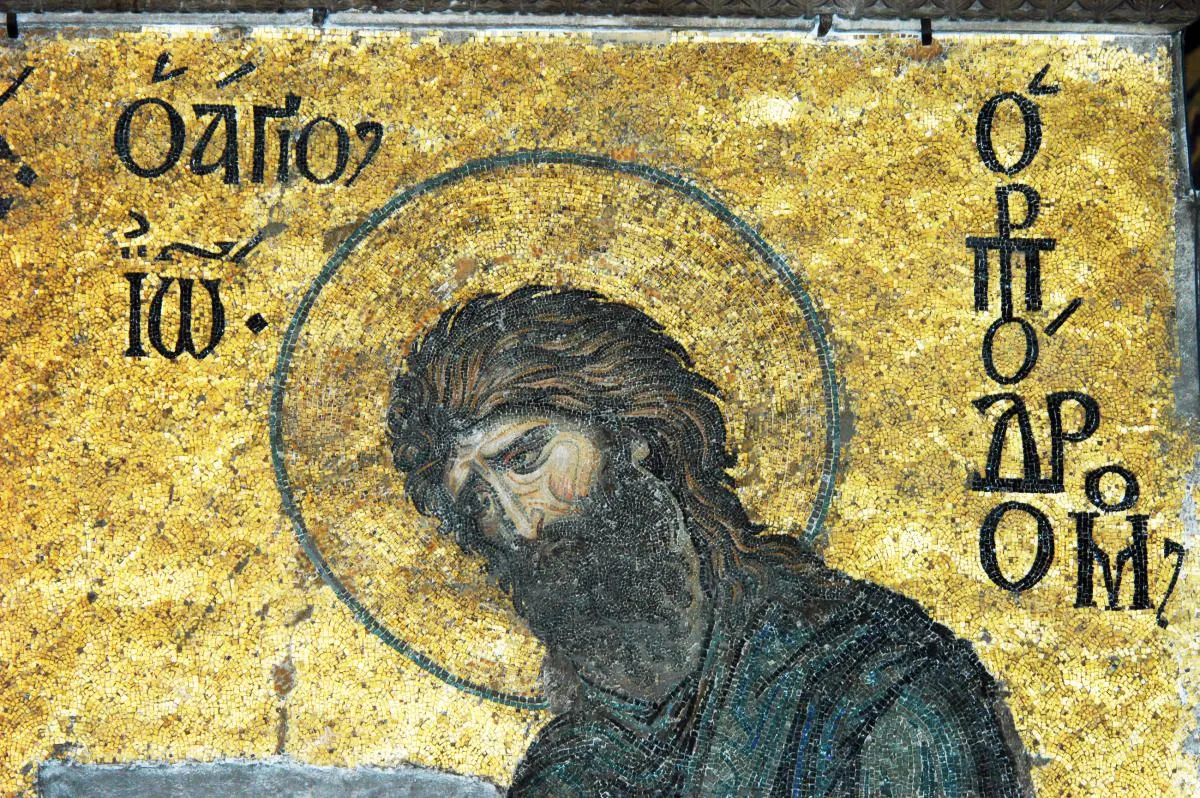
On September 23, Orthodox Christians commemorate the Conception of the Honorable and Glorious Prophet, Forerunner, and Baptist John. On this day, the church calendar also commemorates the martyr Iraida and other saints, and in folk tradition, the date is known as Raisa Spirna.
September 23 is an important date in the Orthodox calendar. On this day, the Conception of John the Forerunner is commemorated—the future prophet who, according to Christian teaching, prepared people for the coming of Jesus Christ. The feast is associated with the story of John’s parents—the priest Zechariah and the righteous Elizabeth. The couple had been childless for a long time but continued to pray for a child. According to the biblical account, one day the archangel Gabriel appeared to Zechariah. He told the priest that Elizabeth would give birth to a son and that he would be named John.
At first, Zechariah did not believe these words. After that, he lost the ability to speak. His speech returned only after the birth of his son. It is this event—the conception of the future John the Baptist—that is commemorated on September 23. The OCU calendar also lists on this day the Venerables Xanthippe and Polyxena, the Martyr Iraida, and the Martyrs Andrew, John, and John’s sons Peter and Antonin.
Who Is John the Baptist
John the Forerunner holds a special place in Christian tradition. It was he who preached repentance to the people and spoke of the coming of the Savior. In the Gospel, John appears as a prophet who called on people to change their lives and prepare to meet Christ. He is called the Forerunner because he preceded the ministry of Jesus Christ. John is also called the Baptist because he baptized people in the Jordan River.
The date of his conception is associated with the Nativity of John the Forerunner, which is celebrated on June 24 according to the new calendar. The OCU explains the connection between these dates with the Gospel account in which, during the Annunciation, the archangel Gabriel informed the Virgin Mary of the pregnancy of her relative Elizabeth.
What Does the Feast on September 23 Mean?
For believers, this day is primarily associated with prayer and remembrance of the story of the prophet’s birth. John the Baptist is traditionally invoked in prayers for help, spiritual support, and the strengthening of faith. In folk piety, there was also a tradition of asking him for deliverance from harmful habits and inner turmoil.
Believers remember John’s parents—Zachariah and Elizabeth—in their prayers, particularly when asking for family well-being and children. At the same time, various claims about what exactly one should or absolutely must not do on this day mostly stem from folk traditions rather than church rules.
Why September 23 Is Known as Raisa Spirna’s Day
In the folk calendar, September 23 is also known as the day of Raisa or Iraida Spirna. This name is associated with the martyr Iraida of Alexandria, whose feast day falls on this date.
In folk tradition, the word “Spirna” was associated with changeable weather. Our ancestors believed that on this day, the weather could change frequently and behave unpredictably. This is the origin of many folk sayings related to nature and the coming winter.
What Not to Do on September 23
According to folk beliefs, on this day people were advised to be careful with their words and not to tell strangers about their plans, personal affairs, or important intentions. This gave rise to the belief that on September 23, it was better not to discuss certain matters even with close relatives. It was believed that excessive candor could hinder the realization of one’s plans. There was also a tradition of avoiding arguments and not provoking disputes. People believed that a conflict that began on this day could drag on for a long time.
Another piece of folk advice is not to boast about your successes, purchases, or wealth. It was believed that an excessive display of prosperity could attract envy. It is important to note that these prohibitions are merely folk beliefs. The Church does not establish any rules forbidding people from discussing their plans or communicating with loved ones on September 23.
Traditions of This Day
Traditionally, September 23 was considered a time to prepare for the cold weather. People insulated their homes, checked their stoves, and stocked up on firewood in advance. They paid special attention to the weather, using it to try to predict what the fall and winter would be like. People also used this day to tend to household chores, tidy up the house, and stock up on supplies for the cold season.
According to one folk belief, to attract prosperity, people would place a coin with a small flaw in their wallet and carry it with them without showing it to anyone. However, this is merely a traditional superstition, not a religious requirement.
Superstitions for September 23
Our ancestors closely observed nature on September 23. Among the common folk signs were the following:
- if there is thick fog in the morning, the day will be clear and dry;
- if geese fly high, winter may come early;
- if ducks stay on the water for a long time, severe frosts were not expected in the near future;
- if the trees were covered with frost, a good harvest was expected the following year;
- if the first snow fell, it was believed that winter was already near;
- an abundance of nuts in the forest was associated with a harsh winter;
- tall grass and weeds in the fall were seen as a sign of future snowdrifts.
Of course, today such folk signs should be viewed as part of folk culture rather than as an accurate weather forecast.
What holiday falls on September 23 according to the old calendar
For those who continue to follow the Julian calendar, September 23 marks other church commemorations. According to the old calendar, on this day, the martyrs Minodora, Mitrodora, and Nymphodora are honored, as well as the Venerable Paul the Obedient of the Caves. Therefore, it is important to distinguish between dates according to the new and old calendars. After the OCU’s transition to the New Julian calendar, fixed feast days were moved up by 13 days.
Name Days on September 23
On September 23, Andriy, Ivan, Antonina, Petro, and Raisa can celebrate their name day. You can congratulate those celebrating their name day on this day with simple and sincere words. For example: “Happy Name Day! I wish you health, peace, love, and good people by your side. May your heavenly patron help you in important matters and protect you from all troubles.”
For those who follow church traditions, September 23 can also be an occasion to visit a church, pray, and spend the day in peace, free from unnecessary conflicts and commotion.


