
Photo: The tower of the Khadzhibey Fortress, which had been sought for over 240 years, was found in Odesa
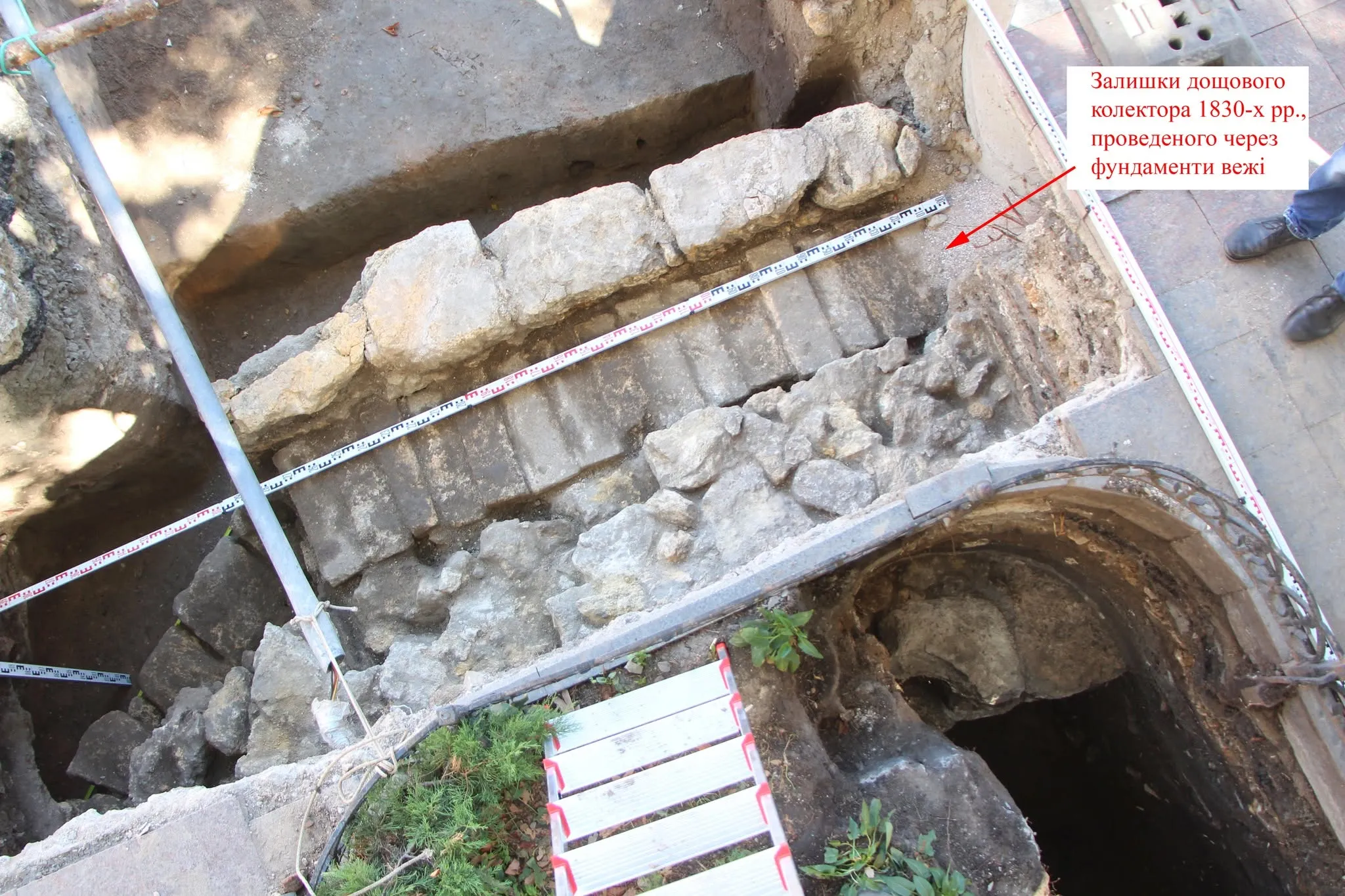
During an archaeological expedition in Odesa, one of the towers of the Khadzhibey Fortress—which was located on the site of today’s Primorsky Boulevard—was discovered. The research was conducted by specialists from the K. D. Ushynsky South Ukrainian National Pedagogical University and the Institute of Archaeology of the National Academy of Sciences of Ukraine.
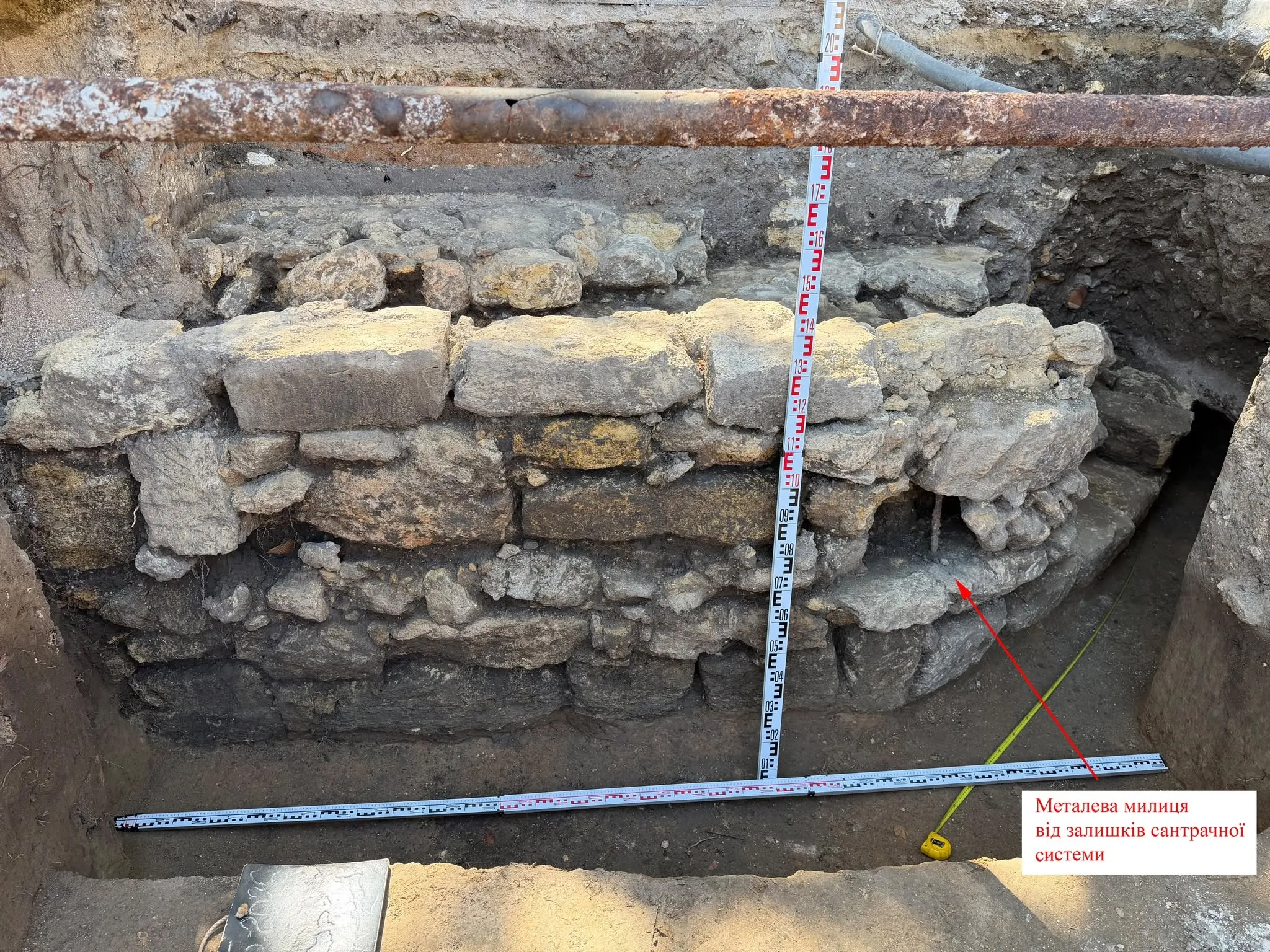
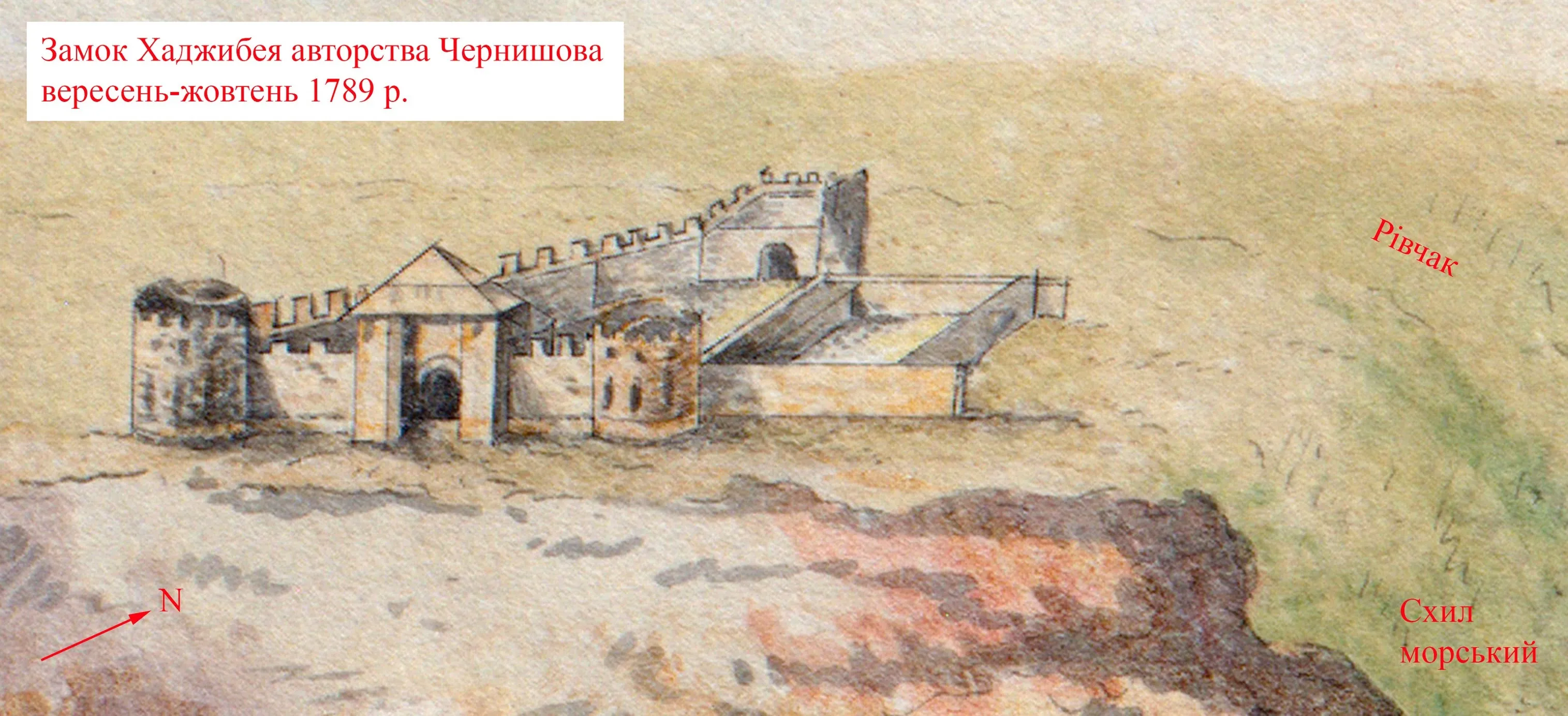
This was announced on August 1 by the university’s rector, Professor Andriy Krasnozhon. According to him, the structure’s foundations have been preserved with almost no damage. Archaeologists also uncovered the first course of the tower’s wall. Although historical plans depict it as circular, the discovered foundation is polygonal in shape.
“The tower had a diameter of 8 meters, and the walls were 2.5 meters thick. At the corner joints, channels for wooden reinforcing beams were identified, which is typical for medieval fortifications,” Krasnozhon noted.
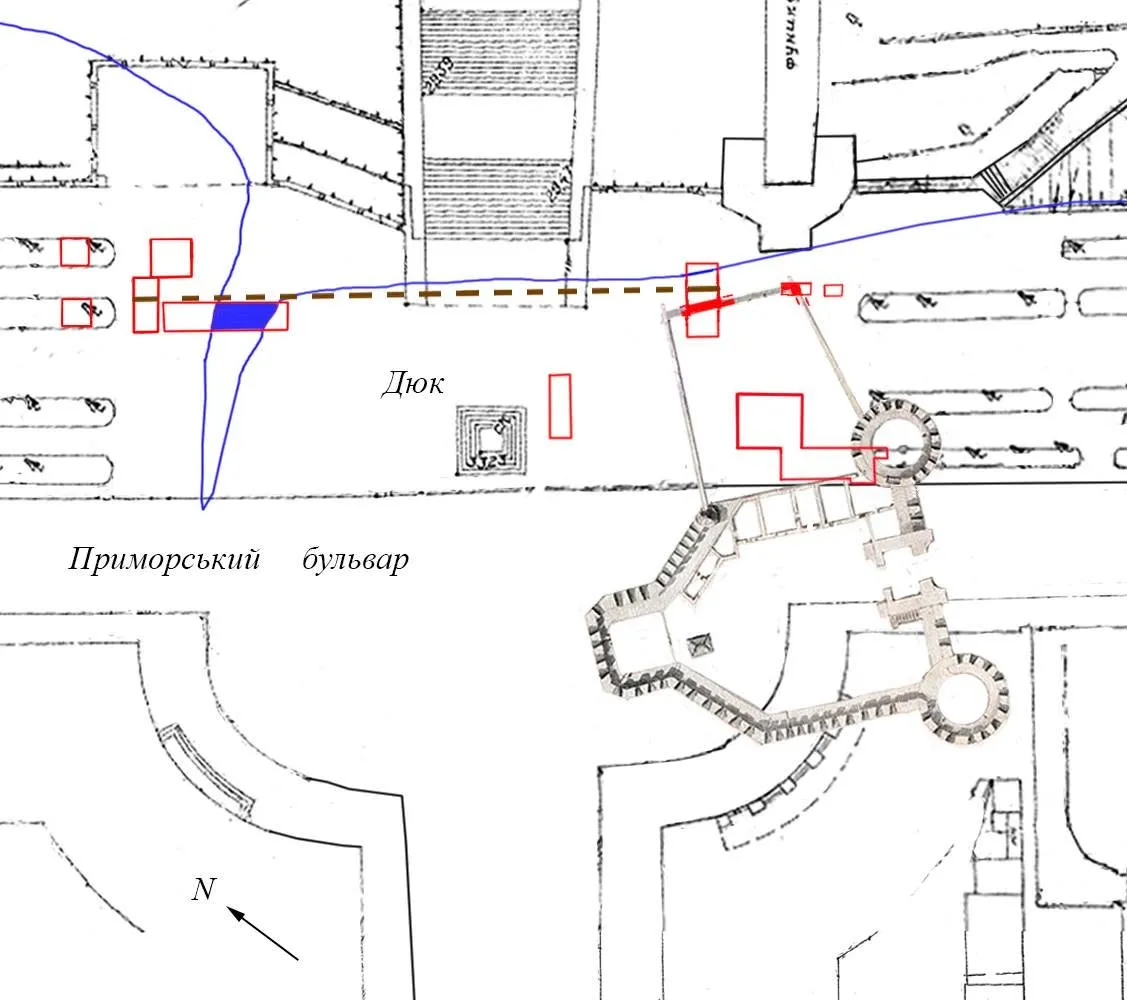
The researcher emphasized that the expedition made it possible for the first time to precisely determine the location of the defensive complex and establish its actual dimensions. According to the research findings, the fortress measured 32 by 37 meters, and its area was slightly larger than that of the citadel of the Akkerman Fortress.
Archaeologists also determined that the fortress’s attached battery was no more than 12 meters wide; however, its actual outline differs from that depicted in known historical plans.
According to Krasnozhon, the question of the fortress’s exact dating remains open for now. At the same time, the findings indicate that the structure was actively used in the 18th century. Fragments of Ottoman plinths and “Tatar” roof tiles, as well as a silver coin of Sultan Abdul-Hamid I from 1785, were discovered in the rubble near the tower’s foundation.
In addition, researchers found a utility pit near the tower’s foundation containing a Golden Horde jug from the second half of the 14th century. According to the archaeologist, this discovery indicates that life on the site of today’s Primorsky Boulevard was already thriving some 700 years ago.
The Khadzhibey Fortress was built on the site of the ruins of the ancient Greek colony of Havan Istrian. Archaeologists note that these new discoveries will help shed more light on the history of the defensive complex’s origins and operation, which has long been a subject of debate among scholars.
Professor Andriy Krasnozhon shared this information on Facebook.
As a reminder, archaeologists discovered evidence of human habitation dating back approximately 86,000 years in the Inkay Cave in northwestern Turkey. Along with this, researchers found hundreds of flint tools that help shed light on the lives of people during the Middle Paleolithic.
Off the coast of Ecuador, scientists have recorded a rare smooth-headed hammerhead shark (Sphyrna zygaena) in the Galápagos Islands for the first time in over 20 years. Researchers suggest that the archipelago may be an important breeding ground for this little-studied species, which is threatened with extinction.
In Pennsylvania (U.S.), a rare two-headed gecko hatchling was born and named Simon and Garfunkel. Although animals with this anomaly usually do not live long, the baby has been thriving for over a month.


