
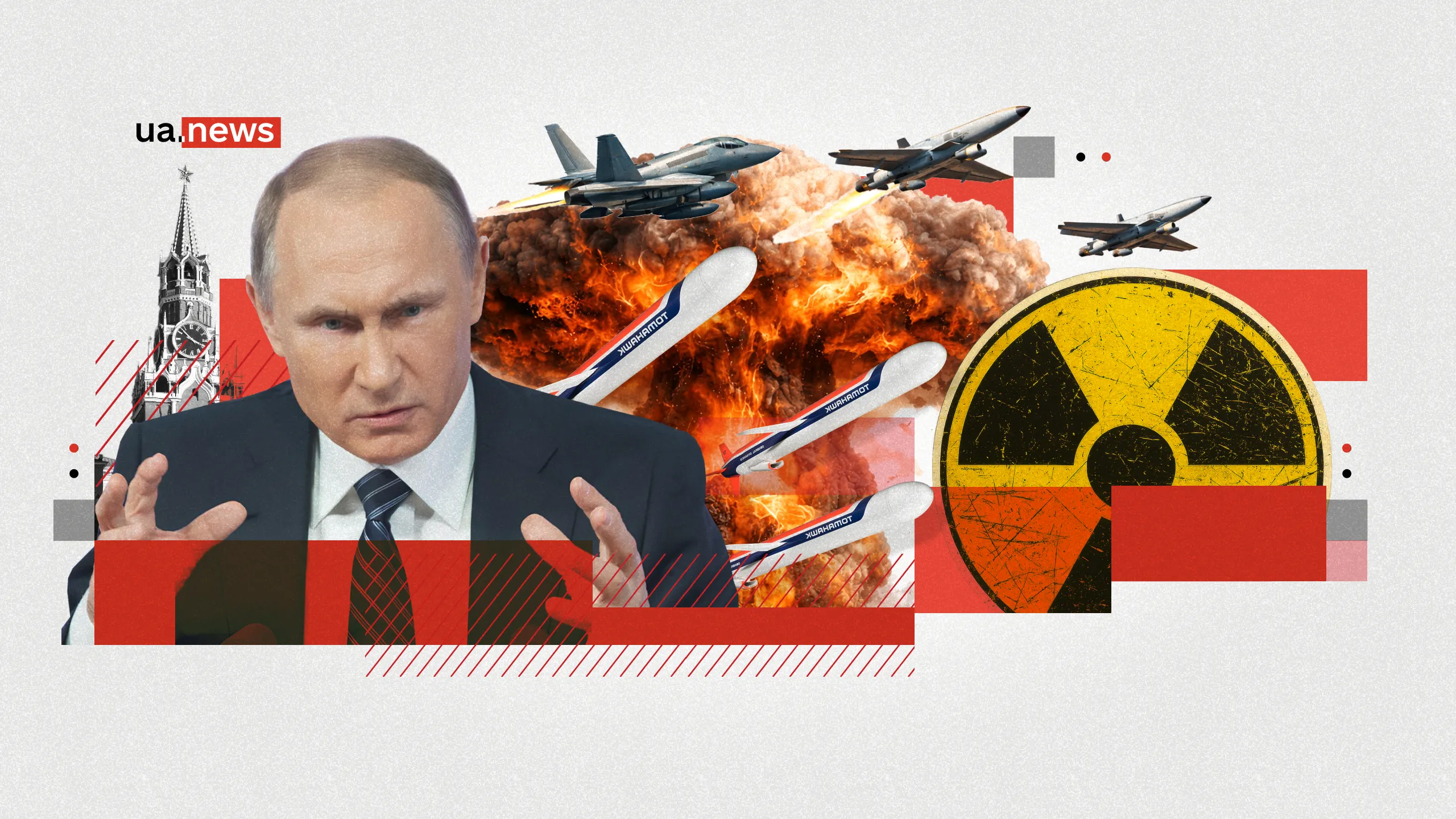
On February 24, 2026 — as the world marked the fourth anniversary of Russia’s full-scale invasion of Ukraine — Moscow chose a highly symbolic way to remind everyone of itself and once again demonstrate its intentions. Instead of reflecting on its mistakes, expressing sympathy for the victims (including its own), or offering anything of the sort, the Kremlin resorted yet again to nuclear blackmail.
The pretext appeared out of thin air: Russian propaganda outlets, security services, and officials suddenly amplified a narrative alleging that France and United Kingdom were preparing to transfer nuclear weapons or related technologies to Ukraine.
This information wave spread with extraordinary speed and coordination, moving in less than a day through the entire Kremlin power vertical — from the Foreign Intelligence Service of the Russian Federation to the Security Council of Russia and personally to Vladimir Putin. Official London quickly called the accusations absurd, while Kyiv and Paris also categorically rejected all insinuations.
Why, then, is Moscow deliberately escalating by injecting into the information space a topic that is guaranteed to lack any evidence? What truly lies behind this latest flare-up of nuclear rhetoric? Political analyst Mykyta Trachuk of UA.News examined the issue together with experts.
A Coordinated information attack
The first “nuclear message” came from Russia’s Foreign Intelligence Service (SVR), known for fantastical claims such as alleged Ukrainian plans to invade Transnistria or stage a “NATO landing” in Odesa. The SVR claimed to possess intelligence about supposed British and French intentions to provide Kyiv with nuclear weapons. As usual, no evidence was presented, yet Russian media widely amplified the claim.
The baton was then picked up by Kremlin spokesperson Dmitry Peskov, who described the unverified reports as “extremely important information” and framed them as an expansion of confrontation. He promised Russia would raise the issue in talks with the United States, hinting that Washington should influence its partners.
Presidential aide Yury Ushakov confirmed that Moscow planned to convey this information to the U.S., adding that such alleged actions by Kyiv would fundamentally affect Russia’s stance on peace negotiations.
Next came a statement from Deputy Chairman of Russia’s Security Council and former president Dmitry Medvedev, who in his characteristic style threatened nuclear strikes against Ukraine as well as France and Britain. Russia’s Foreign Ministry warned of the risks of a direct clash between nuclear powers, and the Federation Council appealed to the British and French parliaments to conduct investigations. Finally, Putin himself appeared publicly, claiming that the West was allegedly planning to “use nuclear weapons against Russia.”
Such coordination and identical messaging indicate a carefully prepared Kremlin campaign. This was not spontaneous but a pre-planned information and political strike aimed at legitimizing Russia’s own nuclear threats and shifting international attention.

Russia’s Nuclear Game: Who are the threats addressed to?
Why promote an obviously baseless narrative that will inevitably be refuted? The answer lies in political pressure and strategic intimidation — the Kremlin’s favored method. This story carries a calculated message aimed at several audiences.
First, Ukraine. The Kremlin signals that hoping for Russia’s exhaustion or economic collapse is futile. If serious difficulties arise, Moscow can always return to nuclear arguments. It reminds Kyiv that Russia cannot be defeated because, in the worst case, it could turn Ukraine — and potentially the world — into a nuclear wasteland.
Second, Europe. Threats toward France and the United Kingdom serve as a warning to all European capitals. Any decisive actions could be interpreted by Moscow as grounds for nuclear retaliation. Russia seeks to deter NATO military activity through nuclear blackmail.
Third — and most importantly — the signal is directed at Donald Trump. The current nuclear rhetoric underscores Russia’s seriousness in negotiations. The Kremlin suggests that America must pressure Kyiv to accept agreements “in the spirit of Anchorage.” Otherwise, the situation risks uncontrollable escalation. Moscow wants Trump to understand: the longer he hesitates, the higher the cost.
Thus, the reaction — or lack thereof — from the U.S. president will be a key indicator. If he increases pressure on Ukraine and Europe to accept Russian terms, nuclear rhetoric will have achieved its aim. If he dismisses it as bluff, Moscow risks becoming trapped in its own threats.
Overall, the situation increasingly resembles a modern iteration of the Cuban Missile Crisis. The price of miscalculation in this extremely dangerous game could be global catastrophe.
Four years of nuclear blackmail
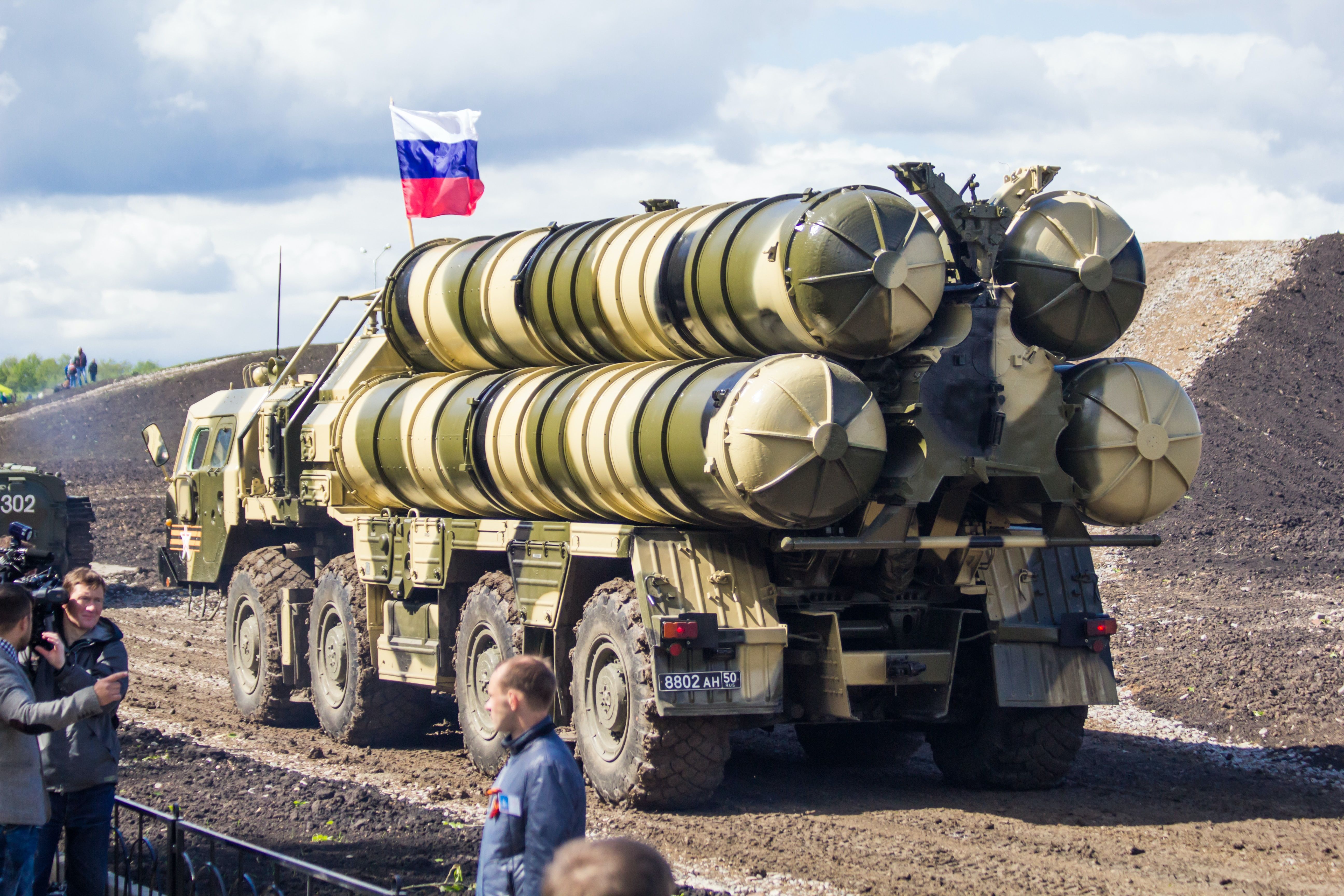
These threats are not new but part of an established pattern since the first day of the full-scale war. On February 24, 2022, when ordering the invasion, Putin warned that anyone who intervened would face “consequences you have never seen in your history.” Russia simultaneously put its nuclear forces on high alert — a clear message to the world: do not interfere.
Since then, nuclear rhetoric has intensified at critical moments — during Ukrainian counteroffensives, diplomatic setbacks, or military difficulties for Moscow. In September 2022, following Ukraine’s successful Kharkiv counteroffensive, Putin announced partial mobilization and renewed nuclear threats. In 2023 and beyond, Russian officials repeatedly invoked scenarios involving non-strategic nuclear weapons.
The pattern is clear: nuclear blackmail escalates in moments of crisis for the Kremlin — when deterrence, intimidation, or distraction is needed. It has consistently been a marker of weakness rather than strength, compensating for failures to achieve objectives through conventional means.
The current spike in rhetoric reflects a crisis around peace negotiations. Russia understands it cannot achieve decisive military victory, yet it is unwilling to compromise. Thus, Moscow once again brandishes the “nuclear club,” signaling to the West: pressure Ukraine, or the consequences will be terrible for everyone.
Expert opinions
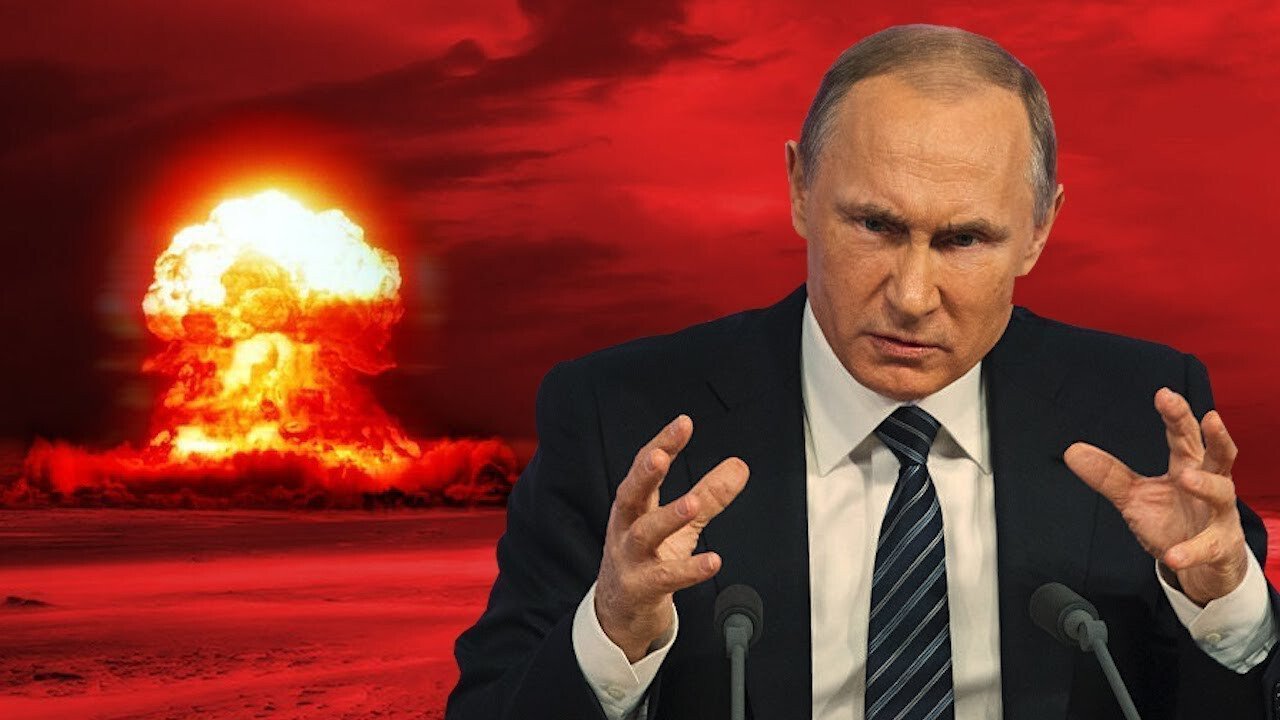
Political scientist Viktor Nebozhenko argues that this latest nuclear rhetoric is not sudden escalation. Putin is not primarily frightening Ukraine or the West — he is frightening his own population and elites, using fear to justify prolonging the war.
“With this nuclear blackmail, he is directly addressing Russians: Ukraine could acquire weapons capable of carrying a nuclear component. In reality, this is a message to his own people: ‘guys, we need to keep the war going.’ In fact, it would even be useful if Ukraine developed a nuclear deterrent — that would be ideal. But in this case, Putin is essentially ignoring the real problem; he doesn’t explain why they haven’t won the war in four years. Instead, he warns that things will get worse, that Ukraine is supposedly about to rearm radically, and therefore we must continue the fight. For Russians, nuclear weapons represent the advantage of a very large state, not ‘some Ukraine.’ It is fear-mongering first and foremost aimed at his own population,” says political analyst Viktor Nebozhenko.
Military expert Oleh Zhdanov notes that Russia’s new nuclear threats are completely unrealistic. In this case, it is a classic information-psychological and political operation.
“Russia has run out of arguments to escalate the conflict and pressure us and our partners. As the saying goes, ‘the new is well-forgotten old.’ Following the same principle, Moscow has once again pulled out the ‘nuclear club.’ This is a textbook information-psychological operation. They created the pretext themselves: allegedly, the SVR discovered information about Ukraine’s nuclear weapons, and then the government reacts politically. We, as reasonable people, have to justify that we didn’t plan or carry out anything. And if you justify yourself, you are considered guilty. This is primitive logic. It is the only argument left for forming a political position in Russia. They say: if there is a threat, they will use non-strategic nuclear weapons on targets in Ukraine. They don’t say ‘tactical,’ because that only elicits a smile. They phrase it as ‘non-strategic,’ reminding everyone that they have such weapons. In other words, this is an information-political operation, nothing more,” says Oleh Zhdanov.
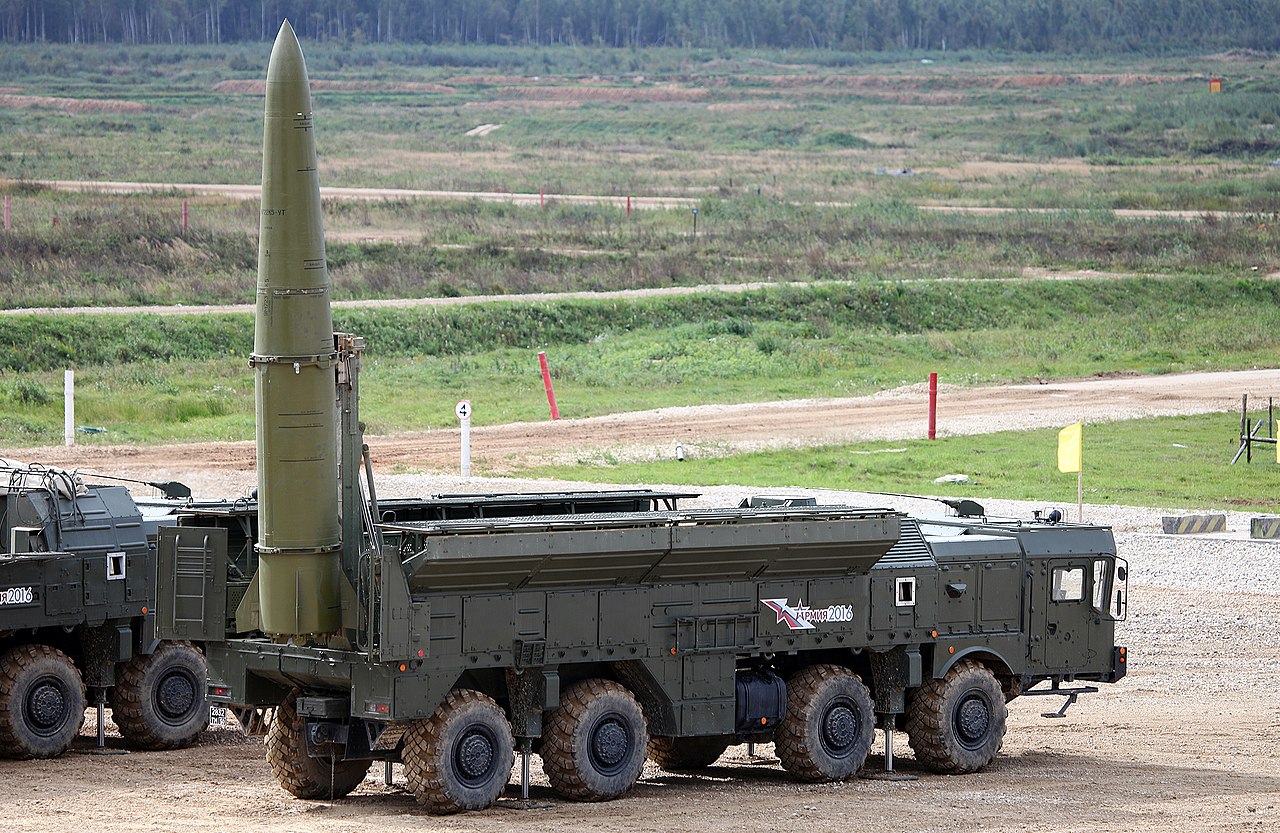
After four years of war, the world has grown accustomed to the Kremlin’s nuclear threats. They sound so frequently that many have developed a certain immunity: “It’s just threats. They’re not suicidal. China won’t allow it. Putin is bluffing.”
Partly, those arguments hold merit. Panic and hysteria are counterproductive. Calm reasoning and resilience remain the best tools against nuclear blackmail.
Yet we should remember that similar dismissals were heard before February 24, 2022. Nuclear rhetoric operates like an Overton window: what first seems impossible becomes radical, then acceptable, and eventually inevitable. Merely discussing the serious use of nuclear weapons increases risks exponentially.
It is shortsighted and dangerous to treat lightly the potential destruction of civilization — or at least the deaths of millions — simply because such threats are repeated too often. We all remember the story of the boy who cried `wolf`. The first hundred times, it was a false alarm. The hundred-and-first time, the wolves were real.




