
What is the religious holiday on June 25? Traditions and taboos for the day

On June 25 according to the New Julian calendar, the Orthodox Church of Ukraine honors the miraculous icon of the Mother of God, “The Deliverer.” Before this icon, believers pray for protection, healing, peace of mind, and help in difficult life circumstances.
According to church tradition, the icon was painted in 1788 on Mount Athos and belonged to the Athonite schema-monk Martinian. He received the icon as a gift with a blessing.
In 1841, the elder arrived with the icon in the town of Mavrovoni, which was suffering from a locust plague. According to legend, after a communal prayer, birds destroyed the pests. The icon is also credited with another miracle—the resurrection of a deceased young man.
After these events, numerous pilgrims began to come to the icon with requests for help and healing. Eventually, the icon was transferred to the Monastery of Saint Panteleimon on Mount Athos, and later it ended up at the New Athos Monastery in Abkhazia.
For over 80 years, nothing was known about the relic’s whereabouts. According to legend, the Mother of God appeared to one of the monks and instructed him to transfer the icon to the Manyava Monastery of the Exaltation of the Cross in Ivano-Frankivsk Oblast, which is often called the “Ukrainian Mount Athos.” After the monastery was restored, the icon took its place of honor there.
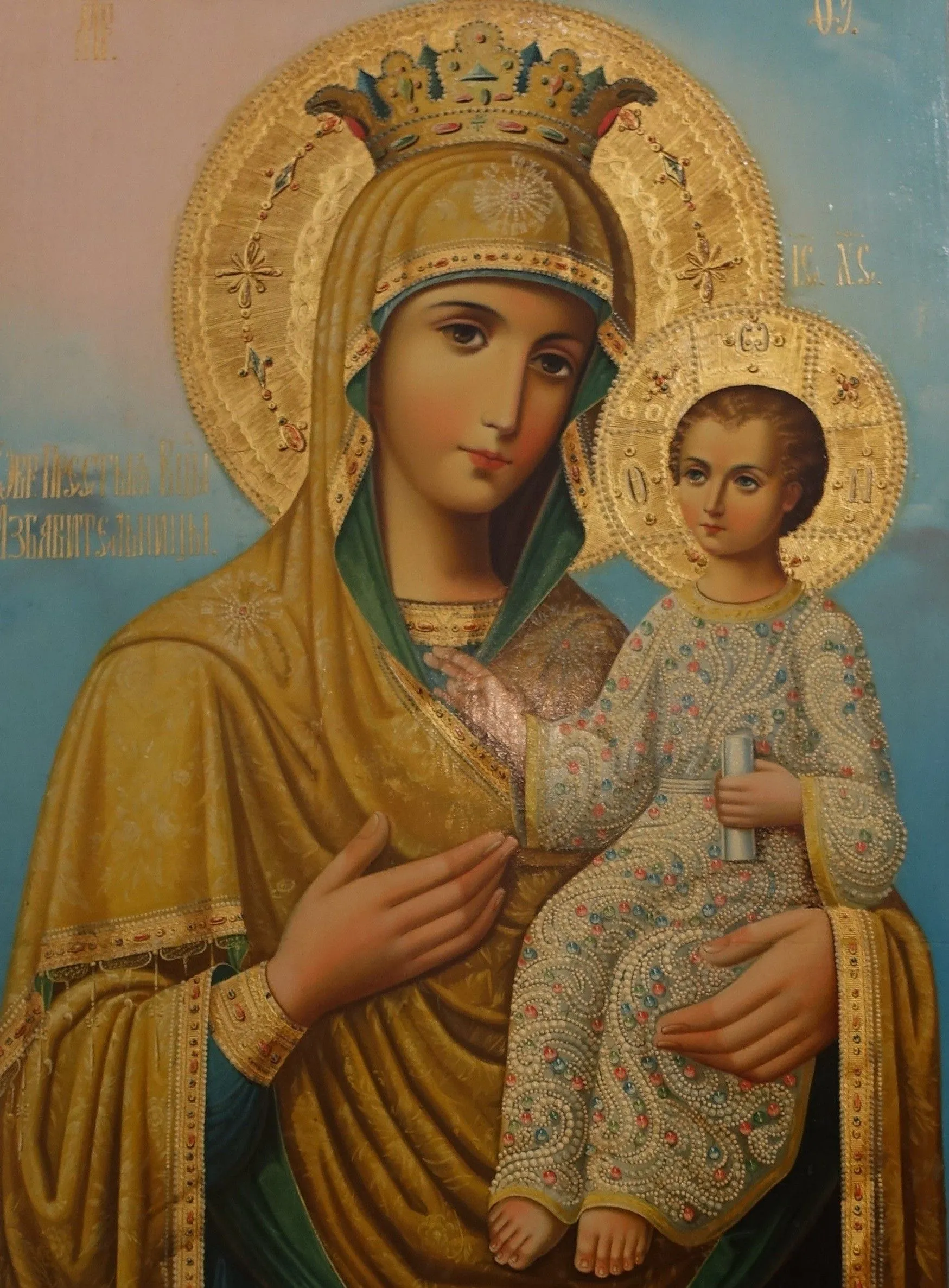
Today, pilgrims from around the world come to venerate the miraculous icon.
Before the icon of the Mother of God, believers pray:
- for healing from illness;
- for protection from dangers and misfortunes;
- for deliverance from addictions;
- for peace of mind and support in difficult times;
- for peace and the strengthening of faith.
Clergy emphasize that the icon is not a talisman or a decorative item. Its main purpose is to help a person focus on prayer and spiritual communion with God.
In the folk calendar, this day is known as Fevronia the Water Nymph. It is associated with family well-being and harmony.
It is believed that it is beneficial for married couples to spend this day together, engage in shared activities, and pay attention to one another. According to folk beliefs, this helps strengthen love and mutual understanding within the family.
Folk omens for the day:
- a rainbow over a body of water — rain is coming;
- rain on June 25 — a bountiful harvest of mushrooms and honey;
- a north wind — clear weather ahead;
- a southerly wind means precipitation;
- plenty of clover in the meadows — summer will be rainy.
There is also a folk saying that hot weather on this day foretells another 40 warm days in a row.
The Church urges people to avoid:
- quarrels and conflicts;
- envy and greed;
- slander;
- despair and resentment;
- refusing to help those in need.
According to folk beliefs, on this day it is also not recommended to:
- sewing or doing needlework, so as not to “sew up” family happiness;
- arguing between lovers and spouses, so as not to bring about a prolonged rift;
- swim in bodies of water, as this was considered dangerous.
Today is the name day for Fevronia.
According to folk beliefs, people born on this day are distinguished by their independence, strong character, and a desire for sincere feelings. They highly value true love and loyalty, and in difficult moments often find support in their own inner world.
As a reminder, on June 24, Monaco celebrates the Feast of St. John the Baptist—one of the principality’s oldest and most vibrant traditions. This holiday combines religious rituals, folk festivities, music, and large bonfires that symbolize light, summer, and the beginning of a new natural cycle.
June 24 is celebrated around the world as International Fairy Day—an unusual holiday dedicated to fairy tales, fantasy, and ancient legends. On this day, people recall stories about magical creatures, organize themed festivals and costume parties, and simply allow themselves to believe in miracles a little more.


