
Mushroom Hunter's Calendar for July 13–19, 2026: Where to Look for Mushrooms and What to Pick
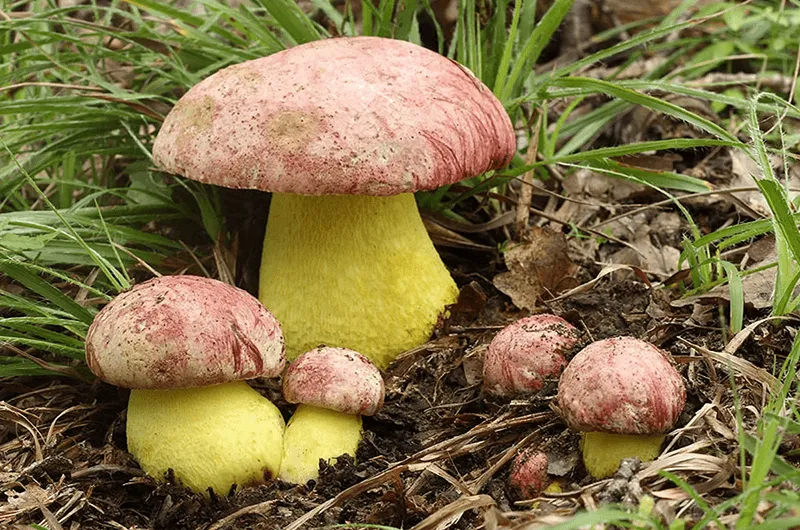
Mid-July is a special time for fans of “quiet hunting.” The July heat, combined with occasional rains, creates favorable conditions for the active growth of many types of mushrooms. The start of the second week of the month promises to be a good one for both experienced mushroom hunters and beginners, provided you know where to look and what signs to look for.
Overall Situation and Highlights of the Week
By July, the forest mycelia have fully awakened from their spring dormancy. Unlike the fall season, when mushrooms grow in abundance in deep moss or under a thick layer of leaves, in mid-summer the main factors are moisture and shade.
Tip of the Week: It’s best to pick mushrooms as early in the morning as possible, while the dew keeps them fresh and before the sun has a chance to warm the forest floor and speed up the spoilage of the picked caps.
What to Look for in the Forest from July 13 to 19
During this period, you can expect a bountiful harvest of several popular species at once:
Chanterelles: The true favorites of July. They grow in large clusters in mixed, coniferous, and deciduous forests. Chanterelles are almost never worm-eaten and tolerate transport very well.
White mushrooms (porcini): In mid-July, the wave of so-called “spike mushrooms” continues, or the second summer wave begins. Look for them near oaks, birches, and in old pine forests on sunny clearings.
Birch-and-aspen mushrooms: These appear mainly in young deciduous forests, groves, and near moist lowlands.
Milk caps: Found everywhere. They are very tender, so it’s best to place them at the very top of the basket.
Butter mushrooms: Look for them in young pine plantations on sandy soils where there is plenty of sunlight.
Weather Conditions and Search Locations
To ensure a successful trip to the forest, pay attention to the microclimate:
After rain: If there are brief, warm rains early in the week, you can head out for white mushrooms and honey mushrooms as early as 2–3 days later.
Moist lowlands: If your region is experiencing a heat wave, shift your route closer to streams, ravines, and shaded spruce forests, where moisture lingers longer.
Forest edges and clearings: In dense thickets during the summer, mushrooms often lack light, so check the forest edges and young plantings.
Safety Rules for Summer Mushroom Picking
If you don’t know it, don’t pick it: July is a period of active growth not only for edible mushrooms but also for poisonous ones (particularly the death cap and false chanterelles). Therefore, to ensure you can return to the forest another time, you should not pick unfamiliar mushrooms.
Check for worms: Due to high air temperatures, summer mushrooms are quickly damaged by larvae. Check the stem cuts right there on the spot.
Proper containers: Use only woven baskets or ventilated bags. In plastic bags or buckets, mushrooms quickly “steam” and spoil.
Process them the same day: Summer mushrooms have a short shelf life, so you need to sort and prepare them within a few hours of returning from the forest.
This is reported by UA.News.
Read also:
The Mushroom Hunter’s Lunar Calendar for July 2026.
Orthodox calendar for July 2026: holidays and when to go to church.
Lunar calendar for July 2026: when the favorable and unfavorable days will be
Lunar Planting Calendar for July 2026: Planning Work on the Plot
Secrets of Perfect Fermentation: The Lunar Calendar for Distillers and Winemakers for July 2026
Mushroom Hunter’s Calendar for July 13–19: Where to Look and What to Harvest in the Middle of Summer
Mid-July is a special time for fans of “silent hunting.” The July heat, combined with occasional rains, creates favorable conditions for the active growth of many types of mushrooms. The start of the second week of the month promises to be fruitful for both experienced mushroom hunters and beginners, provided you know where to look and what signs to look for.
Overall Situation and Highlights of the Week
By July, the forest mycelia have fully awakened from their spring dormancy. Unlike the fall season, when mushrooms grow in abundance in deep moss or under a thick layer of leaves, in mid-summer the main factors are moisture and shade.
Tip of the Week: It’s best to pick mushrooms as early in the morning as possible, while the dew keeps them fresh and before the sun has a chance to warm the forest floor and speed up the spoilage of the picked caps.
What to Look for in the Forest from July 13 to 19
During this period, you can expect a bountiful harvest of several popular species at once:
Chanterelles: The true favorites of July. They grow in large clusters in mixed, coniferous, and deciduous forests. Chanterelles are almost never worm-eaten and tolerate transport very well.
White mushrooms (porcini): In mid-July, the wave of so-called “spike mushrooms” continues, or the second summer wave begins. Look for them near oaks, birches, and in old pine forests on sunlit clearings.
Birch-and-aspen mushrooms: These appear mainly in young deciduous forests, groves, and near moist lowlands.
Milk caps: Found everywhere. They are very tender, so it’s best to place them at the very top of the basket.
Butter mushrooms: Look for them in young pine plantations on sandy soils where there is plenty of sunlight.
Weather Conditions and Search Locations
To ensure a successful trip to the forest, pay attention to the microclimate:
After rain: If there are brief, warm rains early in the week, you can head out for white mushrooms and honey mushrooms as early as 2–3 days later.
Moist lowlands: If your region is experiencing a heat wave, shift your route closer to streams, ravines, and shaded spruce forests, where moisture lingers longer.
Forest edges and clearings: In dense thickets during the summer, mushrooms often lack light, so check the forest edges and young plantings.
Safety Rules for Summer Mushroom Hunting
If you’re not sure, don’t pick it: July is a period of active growth not only for edible mushrooms but also for poisonous ones (particularly the death cap and false chanterelles).
Check for worms: Due to high air temperatures, summer mushrooms are quickly damaged by larvae. Check the stem cuts right there on the spot.
Proper Containers: Use only woven baskets or ventilated bags. In plastic bags or buckets, mushrooms quickly “steam” and spoil.
Processing on the Same Day: Summer mushrooms have a short shelf life, so they must be sorted and prepared within a few hours of returning from the forest.


