
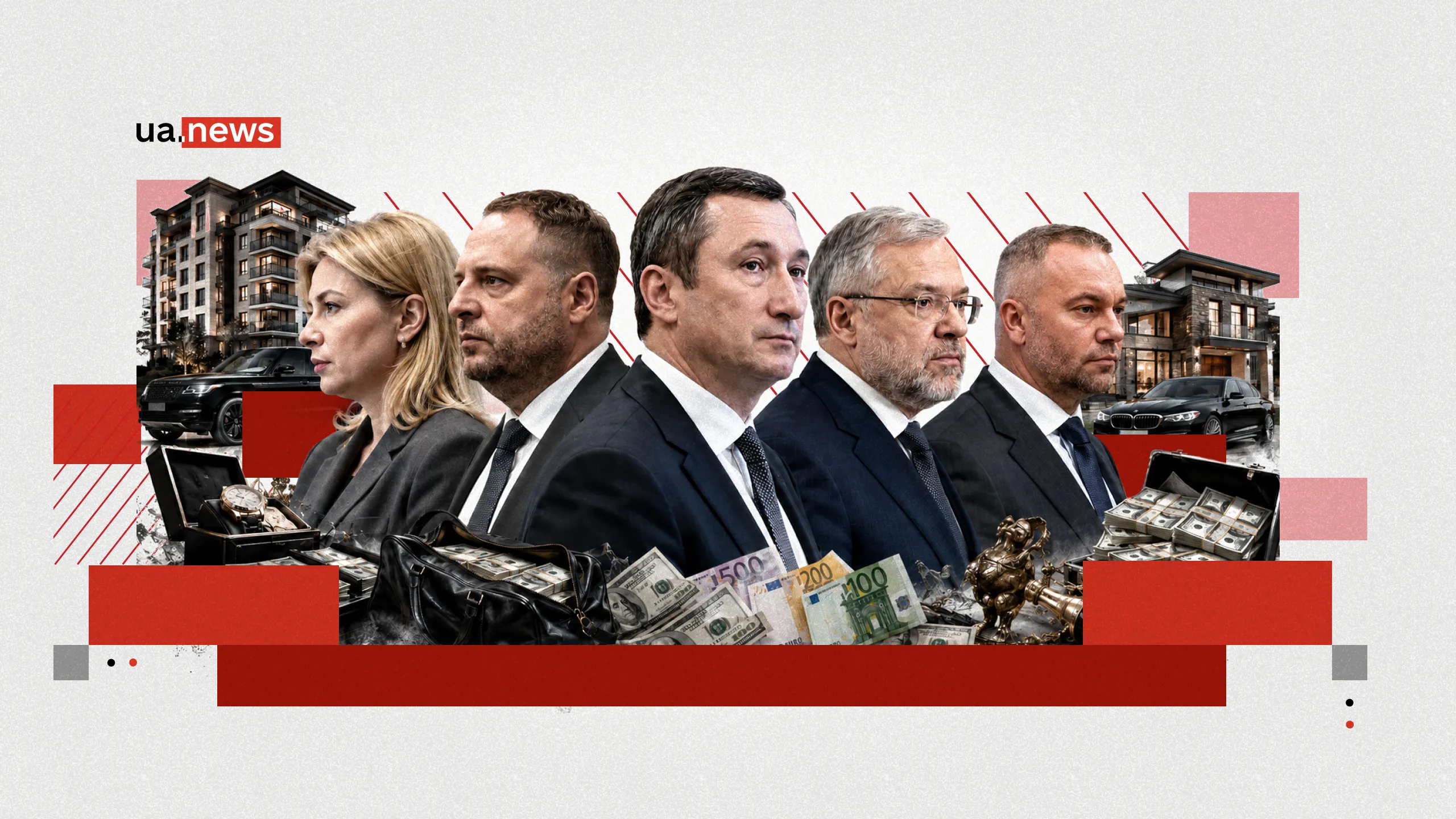
One of the most extensive anti-corruption campaigns in recent years is underway in Ukraine. Former ministers, diplomats, and high-ranking officials have come under suspicion by the National Anti-Corruption Bureau (NABU) and the Specialized Anti-Corruption Prosecutor’s Office (SAPO); investigators link them to illicit enrichment, the embezzlement of state funds, and the laundering of hundreds of millions of hryvnias as part of the “Midas” case and other high-profile investigations.
Who exactly is involved in the most high-profile anti-corruption cases, what they are suspected of, and what decisions the High Anti-Corruption Court has already made—in this overview by UA.News.
The
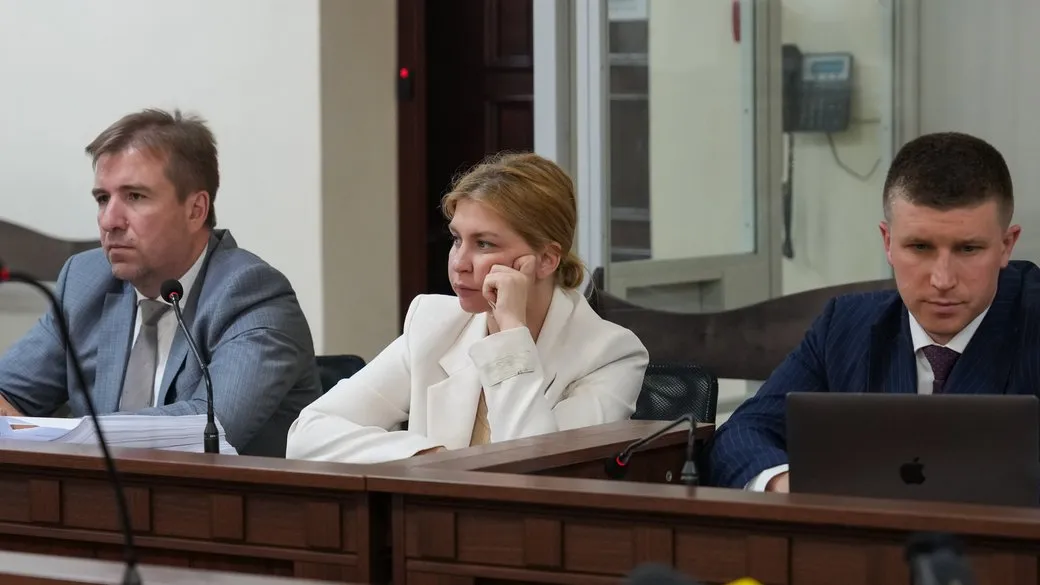
Case of Olga Stefanishyna
Professional Achievements. The peak of Olga Stefanishyna’s government career began in June 2020, when she was appointed Deputy Prime Minister for European and Euro-Atlantic Integration in Denys Shmyhal’s government. In August of that same year, she was appointed to the National Security and Defense Council. As Deputy Prime Minister, Stefanishyna coordinated Ukraine’s integration into the European Union and NATO. She was responsible for implementing necessary reforms, particularly in legislation and strengthening the legal system. In August 2025, President Volodymyr Zelenskyy appointed Olga Stefanishyna as Ukraine’s ambassador to the United States, and a year later—on August 3, 2026—he signed a decree dismissing her from that post.
What she is suspected of. Back in July 2025, the Specialized Anti-Corruption Prosecutor’s Office (SAPO) announced the opening of a criminal investigation to verify the facts presented in journalistic investigations regarding the activities of ARMA, in which Stefanishyna was implicated. Journalists found out that the key role in these deals was played by the ex-husband of the ex-officer, Mykhailo Stefanishyn. In particular, Ukrainska Pravda, citing sources in political, business and law enforcement circles, wrote that Mykhailo Stefanishyn "found the 'keys to ARMA'. He presents himself as the shadow curator of the agency's office in informal conversations, and the company associated with him has already received four valuable assets for management."
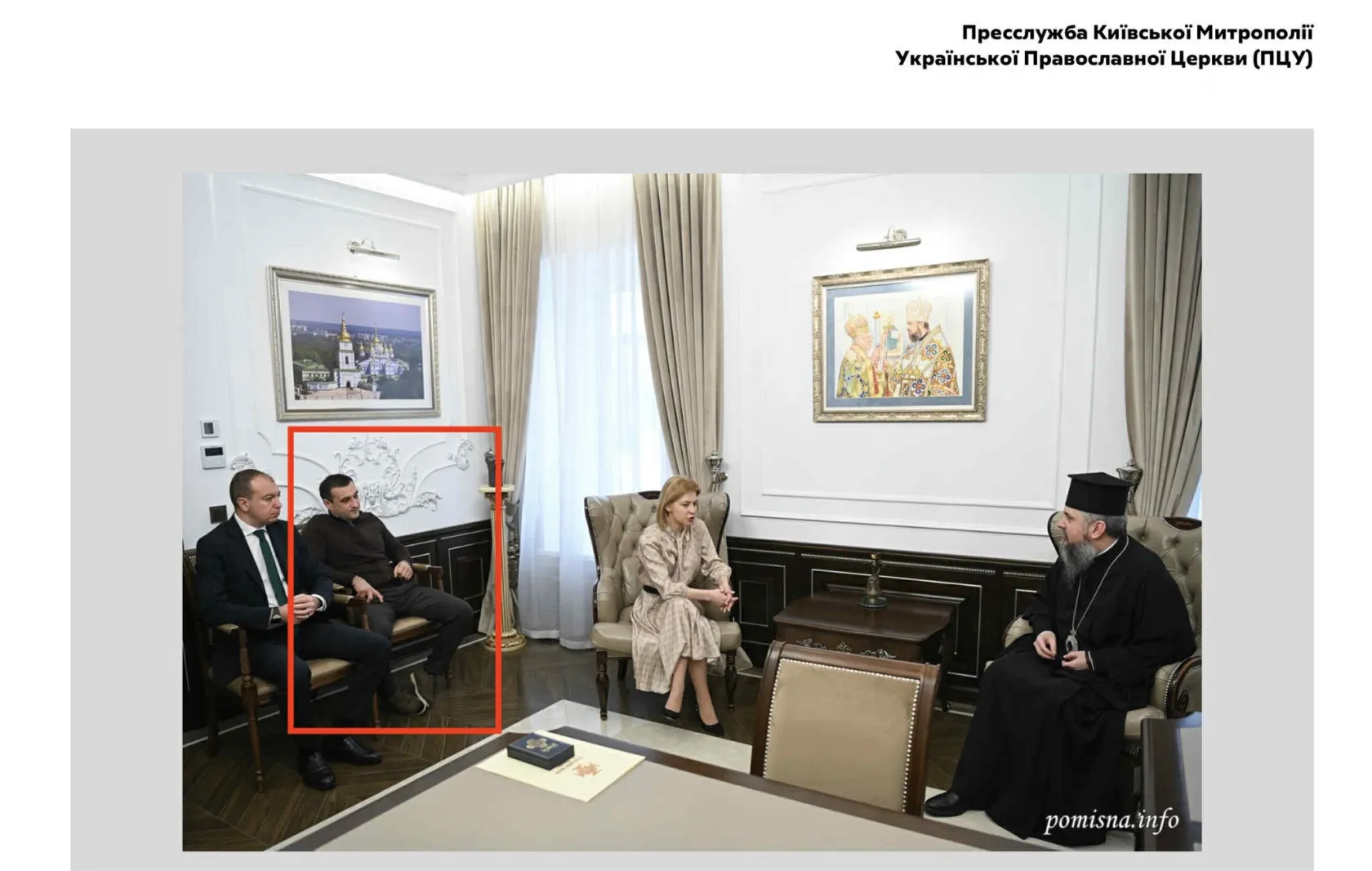
Interestingly, the former husband of the Deputy Prime Minister, Mykhailo Stefanishyn, managed to "light up" not only in corruption, but also in show business scandals. The media wrote about his relationship with singer Kamaliya Zahoor. It was for the sake of her boyfriend that Kamaliya allegedly divorced Pakistani billionaire Mohammad Zahoor, with whom she had been married for over 20 years and raised two children.
Olga Stefanishyn herself was also linked to a case involving the misappropriation in 2013–2014 of 2.5 million hryvnias that had been allocated for the adaptation of Ukrainian legislation to European Union standards. At that time, Stefanishyna headed a department at the Ministry of Justice.
On August 5, NABU and the Specialized Anti-Corruption Prosecutor’s Office (SAPO) notified Olga Stefanishyna that she was suspected of three offenses: illegal enrichment and two instances of false asset declarations. The former Deputy Prime Minister and former ambassador was accused of illegally enriching herself by nearly 14 million hryvnias and failing to declare expensive assets registered in the names of her relatives.
Investigators claim that between 2024 and 2025, Stefanishyna purchased two apartments in the “Faina Town” residential complex in Kyiv. The purchase of the real estate, valued at nearly 11 million hryvnias, was allegedly arranged by a close friend of hers. Stefanishyna also had access to assets registered in the names of her relatives: an apartment in the capital’s “Lvivska Ploshcha” business-class residential complex (registered in her mother’s name); a parking space and several non-residential premises in the same complex (registered in her father’s name); and a Mercedes-Benz GLC 220 d (registered in her assistant’s name).
According to the investigation, Stefanishyna was also in negotiations to purchase a house near Kyiv worth approximately $550,000. “According to the plan, $250,000 was to be paid in cash, and the remainder was to be paid by transferring the two aforementioned apartments in the ‘Faina Town’ residential complex to the seller. However, the government official declined the deal, presumably due to her appointment to a diplomatic post abroad,” investigators reported.
According to the prosecutor’s office, Stefanyishyna did not disclose any of these or other significant expenses in her financial disclosure documents. At the same time, her official income would not have allowed her to purchase such property.
Court Ruling. On August 6, the High Anti-Corruption Court (HACC) imposed a preventive measure on Stefanishyna in the form of a 6 million hryvnia bail. She is required to appear when summoned by NABU investigators, report any change of residence, and refrain from communicating with witnesses in the case. During the HACC hearing, Olga Stefanishyna stated that she does not plan to continue working in public service. She said that her top priority now is the safety and mental well-being of her family members, as well as defending her position in court.
The
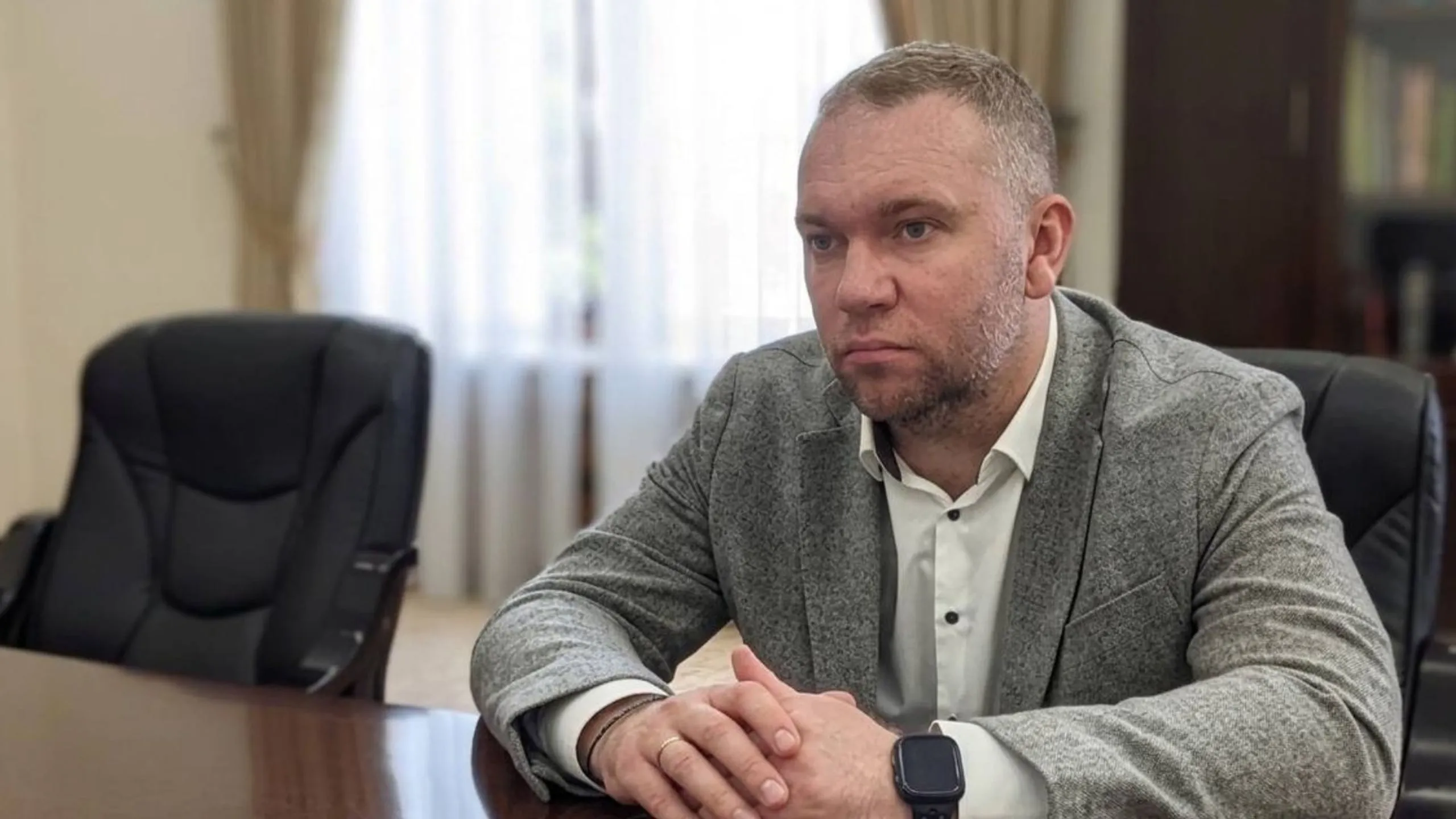
Case of Oleksandr Bankov
Professional Achievements. Oleksandr Bankov worked for a long time in the Ministry of Foreign Affairs, and from 2017 to 2020, he served as Ukraine’s ambassador to Romania. From 2020 to 2024, Bankov served as State Secretary of the Ministry of Foreign Affairs, a position to which he was appointed following a competitive selection process. “Oleksandr has an excellent understanding of the Ministry of Foreign Affairs’ system; he knows how to manage it on a day-to-day basis with maximum efficiency and implement the changes that need to take place in the diplomatic service,” — commented Dmytro Kuleba, who was heading the ministry at the time, on his appointment.
What are the charges? On July 27, 2026, the National Anti-Corruption Bureau of Ukraine (NABU) and the Specialized Anti-Corruption Prosecutor’s Office (SAPO) announced the exposure of a criminal group whose members embezzled foreign donations intended to support Ukraine at the start of Russia’s full-scale invasion.
The scheme was straightforward: former State Secretary of the Ministry of Foreign Affairs Bankov persuaded international donors and staff at foreign diplomatic missions to direct charitable funds to a bank account controlled by a non-governmental organization.
Law enforcement officials determined that, legally, this funding had the status of earmarked budget funds from a special fund of the Ukrainian Ministry of Foreign Affairs. The money was transferred to accounts controlled by sole proprietorships and legal entities. These entities then funneled the funds to money-laundering centers to be converted into cash. According to the NABU, the participants in the scheme used the laundered money for their own enrichment.
The investigation found that the criminal group laundered over 37 million hryvnias (approximately $1.28 million at the time of the crime). The prosecution cited three instances of this scheme: the misappropriation of donations from Japan, fraud involving the Renew Democracy Initiative (RDI) fund, and the laundering of funds.
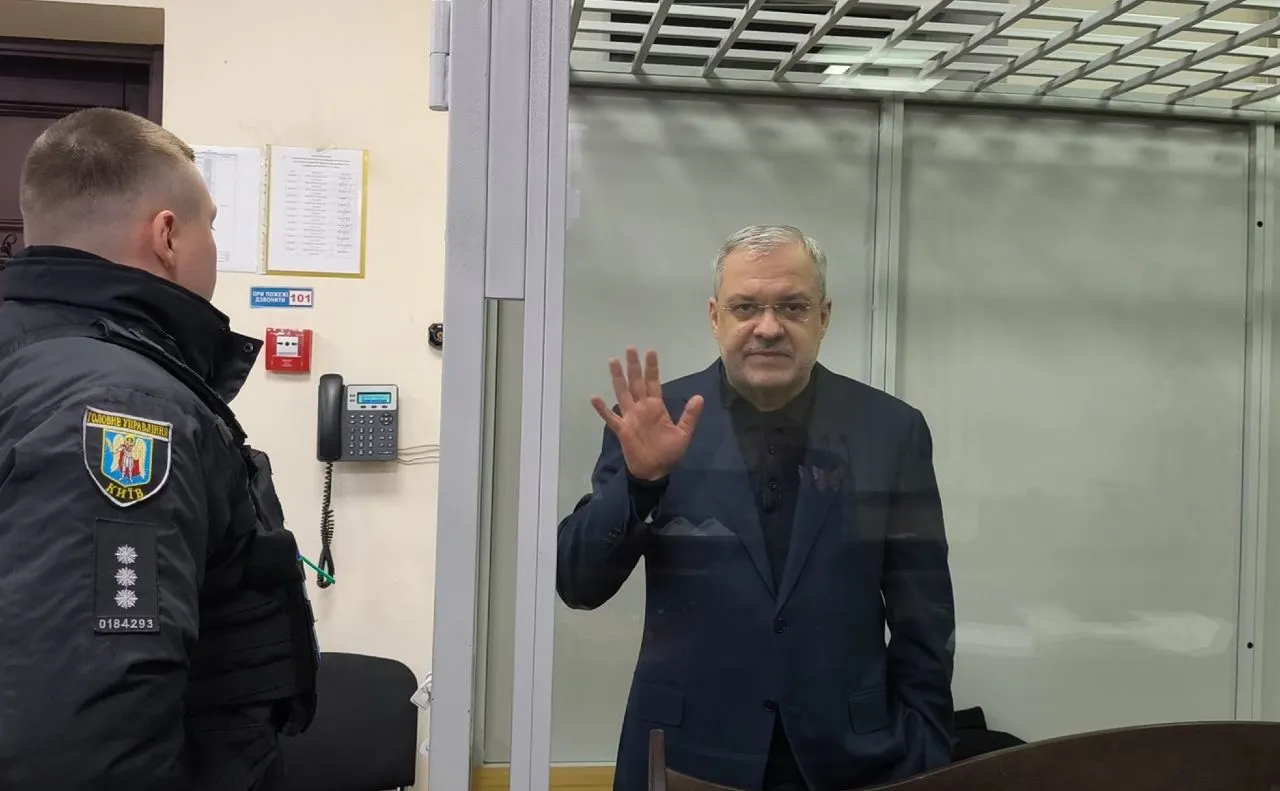
Court Ruling. On August 3, the High Anti-Corruption Court (HACC) remanded former State Secretary of the Ministry of Foreign Affairs Oleksandr Bankov—who is accused of organizing a scheme to embezzle donations—into custody with an alternative bail of 10 million hryvnias.
The
Case of Herman Galushchenko
Professional Achievements. The position of vice president for development at the state-owned “Energoatom,” which he held since 2020, served as a springboard for the government career of professional lawyer Herman Galushchenko. As early as 2021, Herman Galushchenko rose significantly through the ranks—he was appointed Minister of Energy, a position he held until July 2025, when he was “transferred” to the Ministry of Justice. As early as 2023, Ukrainian media reported that the energy sector was effectively managed from the Office of the President, and that Galushchenko’s work was overseen by Rostislav Shurma, the deputy head of the Office of the President.
What are the charges? In November 2025, the National Anti-Corruption Bureau of Ukraine (NABU) and the Specialized Anti-Corruption Prosecutor’s Office (SAPO) announced the dismantling of a criminal group that had been embezzling funds from the energy and defense sectors. According to investigators, the group was coordinated by businessman Timur Mindich, and high-ranking government officials, including Herman Galushchenko, were involved in its activities. The former official appeared to be one of the key figures in the energy sector corruption scheme but remained a witness for a long time. His status changed on February 15, 2026, when NABU detectives removed him from the Kyiv-Chełm train as he attempted to leave Ukraine. The fugitive was brought to Kyiv, where on February 16 he was officially served with a notice of suspicion of laundering stolen millions and participating in a criminal organization.
Investigators found that while Halushchenko held leadership positions at Energoatom and in the government, the criminal organization embezzled over $112 million. The stolen funds were laundered through various financial instruments, such as cryptocurrency.
The NABU reported that companies registered in the names of Galushchenko’s ex-wife and sons purchased shares in the fund and became its “investors.” At the same time, members of the criminal organization, “in the suspect’s interest,” began transferring funds to the fund’s accounts opened at three Swiss banks.
“More than $7.4 million was transferred to the fund’s accounts, which were managed by the suspect’s family. Another 1.3 million Swiss francs and 2.4 million euros were distributed in cash and transferred directly to the family in Switzerland,” law enforcement officials established.
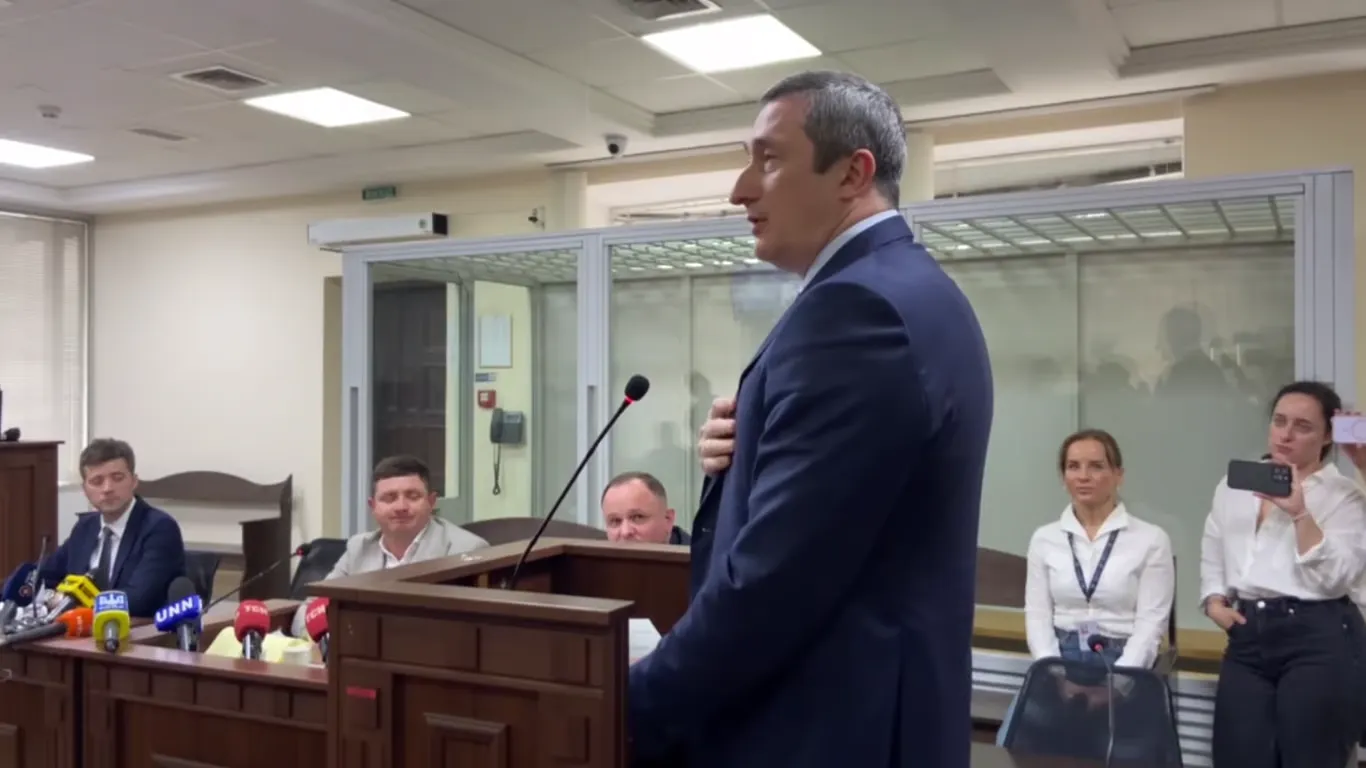
Court Ruling. On February 17, 2026, the High Anti-Corruption Court imposed a pretrial detention order on Halushchenko, with the alternative of posting bail in the amount of 200 million hryvnias. However, this amount was not posted, and Halushchenko remained in custody. In June, the bail amount was reduced to 150 million hryvnias. Several companies paid this amount in installments, and the former minister was released from pretrial detention on bail. The pretrial investigation is ongoing.
The
Case of Oleksiy Chernyshov
Professional Achievements. Before entering public service, Oleksiy Chernyshov worked in the investment and development sector. He began to gain political prominence in 2019 when he headed the Kyiv Regional State Administration; he later served as Minister of Community and Territorial Development, responsible for the restoration of residential, critical, and social infrastructure facilities. The senior official collaborated with the World Bank and international partners. In December 2024, parliament appointed Chernyshov as Deputy Prime Minister and Minister of National Unity, tasked with coordinating the return of Ukrainians from abroad.
What he is accused of. In the summer of 2025, Oleksiy Chernyshov was accused of corruption and causing losses to the state totaling over 1 billion hryvnia. After that, he left Ukraine. But a few days later, Chernyshov was persuaded to return. In Ukraine, the official was arrested, but he managed to be released from the courtroom on bail of 120 million hryvnias. Chernyshov was also suspended from his duties as Deputy Prime Minister.
On November 11, 2025, Oleksiy Chernyshov was once again implicated in a corruption scandal—this time as a suspect in Operation “Midas.” Law enforcement officials claim that Chernyshov received substantial funds from Timur Mindich’s criminal organization, where he was known by the code name “Che Guevara.” According to the investigation, Chernyshov is also implicated in the laundering of over 460 million hryvnias invested in the construction of the “Dynasty” private residences. This project was carried out to launder corrupt funds. After being notified of the charges, Chernyshov stated that he does not admit guilt and called himself “a hostage of the media frenzy.”
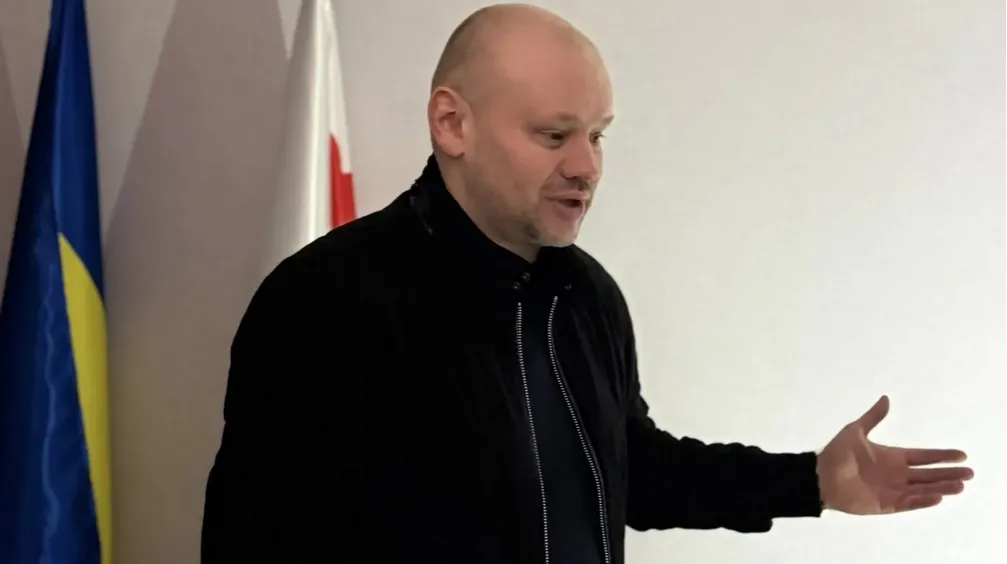
Court Ruling. The proceedings against Chernyshov in the 1 billion hryvnia case are currently in the pre-trial investigation stage. In May 2026, NABU and the SAP announced new charges against high-ranking corrupt officials in the “Midas” case. According to media reports, former Deputy Prime Minister Oleksiy Chernyshov is among them. The charges involve the legalization of assets obtained through criminal means, which carries a prison sentence of 8 to 12 years with confiscation of property.
The
Case of Andriy Yermak
Professional Achievements. Before his appointment as head of the Office of the President, Andriy Yermak was among the least well-known figures in Volodymyr Zelenskyy’s inner circle. He held the “high-profile” position of head of the Office of the President from 2020 to 2025 and was also a member of the Supreme Commander-in-Chief’s Headquarters. Andriy Yermak was responsible for international negotiations, coordinating the work of the Office of the President, sanctions policy, and diplomatic contacts as part of Ukraine’s peace initiatives. Yermak headed the Office for over five years and, according to political circles, had perhaps the greatest influence on the head of state.
What are the charges? The “Midas” case in November 2025 effectively led to Andriy Yermak’s resignation; he was forced to step down from his post under pressure from a corruption scandal. His office on Bankova Street and his residence were searched. However, Yermak was not officially charged until May 2026 in connection with the laundering of funds obtained from corruption schemes in the energy and defense sectors. Once again, the case involved 460 million hryvnias that were “laundered” through the construction of the “Dynasty” residences in Kozin, Kyiv Oblast. According to the NABU and the SAP, the future owners of the mansions and other individuals laundered nearly $9 million through the construction project between 2021 and 2025.
Yermak himself rejected the allegations and stated that he would comment on them after the investigative proceedings were completed.
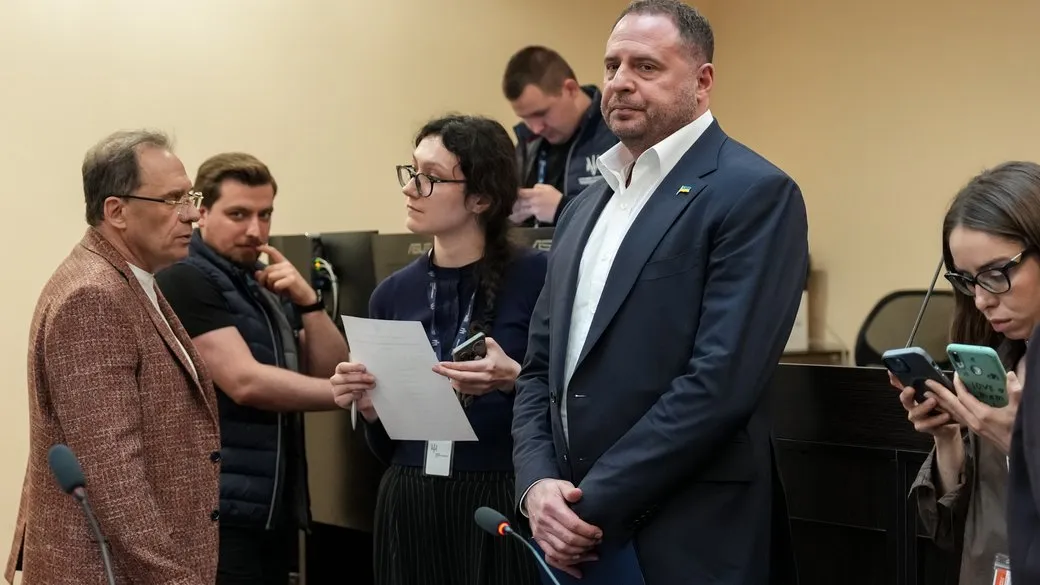
Court ruling. On May 14, 2026, the High Anti-Corruption Court (VAKS) imposed a preventive measure on Andriy Yermak in the form of pretrial detention, with the alternative of posting 140 million hryvnias in bail. The former official had to spend the night in a paid cell at the pretrial detention center. On May 18, Andriy Yermak was released from the pretrial detention center after his bail was paid in full. The case is currently in the pretrial investigation stage.
The
Case of Dmytro Verbytskyi
Professional achievements. Dmytro Verbytskyi built his career in the Odesa and Mykolaiv prosecutor’s offices, where he developed ties with local businesses. In September 2022, then-Prosecutor General Andriy Kostin appointed him as his deputy. Dmytro Verbytskyi’s official mission was to combat economic crimes and tax evasion and to protect investments. He held this position until July 2024.
What are the allegations? In 2024, Khrystyna Ilnytska, the deputy prosecutor general’s partner, found herself at the center of a journalistic investigation. NABU detectives opened a criminal investigation on May 13—one week after the first report by “Schemes” (Radio Liberty) was published regarding the possible illegal enrichment of Deputy Prosecutor General Dmytro Verbytskyi.
Later, allegations were brought against Dmytro Verbytskyi by the National Agency for Corruption Prevention (NAZK), which found evidence that he had acquired unjustified assets totaling approximately 29 million hryvnias.
At that time, in July 2024, Dmytro Verbytskyi resigned from his position as Deputy Prosecutor General of his own accord, as the scandal surrounding his wealth had reached a national scale.
Status of the investigation. The Specialized Anti-Corruption Prosecutor’s Office (SAPO) reports that the pretrial investigation in the criminal case, opened in May 2024, is ongoing. At the same time, the main result of two years of work by NABU detectives and SAPO prosecutors can be summed up in a single sentence: “No one has been notified of suspicion.” The agency refused to provide any additional information about the progress of the investigation, citing the confidentiality of the pre-trial investigation in accordance with Article 222 of the Criminal Procedure Code of Ukraine.
Read also:
The Story of Dmytro Verbytskyi: A Complete Chronology of the Scandals Involving the Former Deputy Prosecutor General from Odesa




