
Lubinec outlined the scale of forced migration among Ukrainians
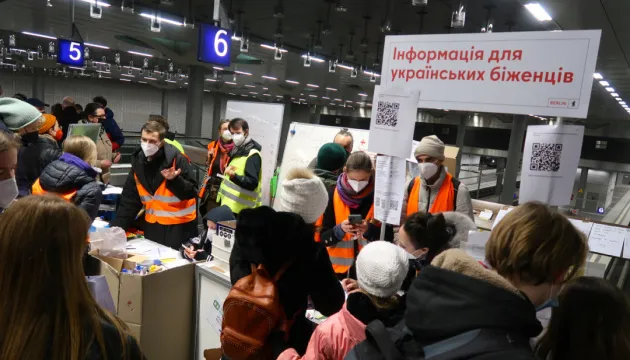
Due to the full-scale war, millions of Ukrainians have been forced to leave the country, and their number abroad now exceeds 5.7 million. This forced displacement has radically changed people’s lives and divided their experiences into “before” and “after.”
Authorities and international organizations emphasize that this figure reflects the scale of the war’s humanitarian consequences and the prolonged status of Ukrainians as refugees.
More than 5.7 million citizens have been forced to leave Ukraine due to Russia’s armed aggression. This was reported by Dmytro Lubinets, the Verkhovna Rada’s Commissioner for Human Rights, citing data from the Office of the United Nations High Commissioner for Refugees. “June 20 is World Refugee Day. It holds special significance for Ukraine, as forced displacement has become a reality for millions of our citizens,” Lubinets noted.
According to UNHCR, more than 5.7 million Ukrainians have found themselves outside the country due to the war, and each of these stories represents a life divided into the “before” and “after.” “Behind this number lies an experience that has divided the lives of millions into ‘before’ and ‘after.’ It represents thousands of kilometers separating loved ones, daily phone calls asking, ‘How are you?’, and the tremendous strength to carry on, keeping Ukraine in their hearts,” Lubinets emphasized.
He also thanked the countries and communities that took in Ukrainians during the most difficult period, providing them with basic safety and support. “You restored their sense of security and human dignity. And we know for certain: we will return. We will rebuild. We will embrace our own. Because no matter where we are—our home is always where Ukraine is,” the ombudsman added. Dmytro Lubinets, the Verkhovna Rada’s Human Rights Commissioner, cited these figures from the Office of the United Nations High Commissioner for Refugees (UNHCR) on Telegram.
Ukrainian citizens who have suffered conflict-related sexual violence (CRSV) are still unable to receive the state assistance provided for by law due to the lack of necessary subordinate legislation.


