
The historic Sangushko Palace in Khmelnytskyi region is falling into ruin
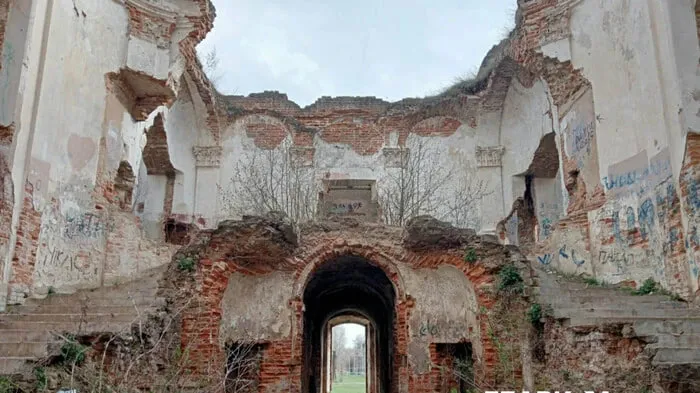
In the Khmelnytskyi region, a unique architectural landmark—the Sangushko Palace in Izyaslav—continues to fall into disrepair. Although the building is a protected site, it is deteriorating rapidly due to its age and the effects of the weather.
Once a gathering place for the political elite and wealthy families of Eastern Europe, the palace now stands on the brink of destruction.
This is reported by Glavkom.
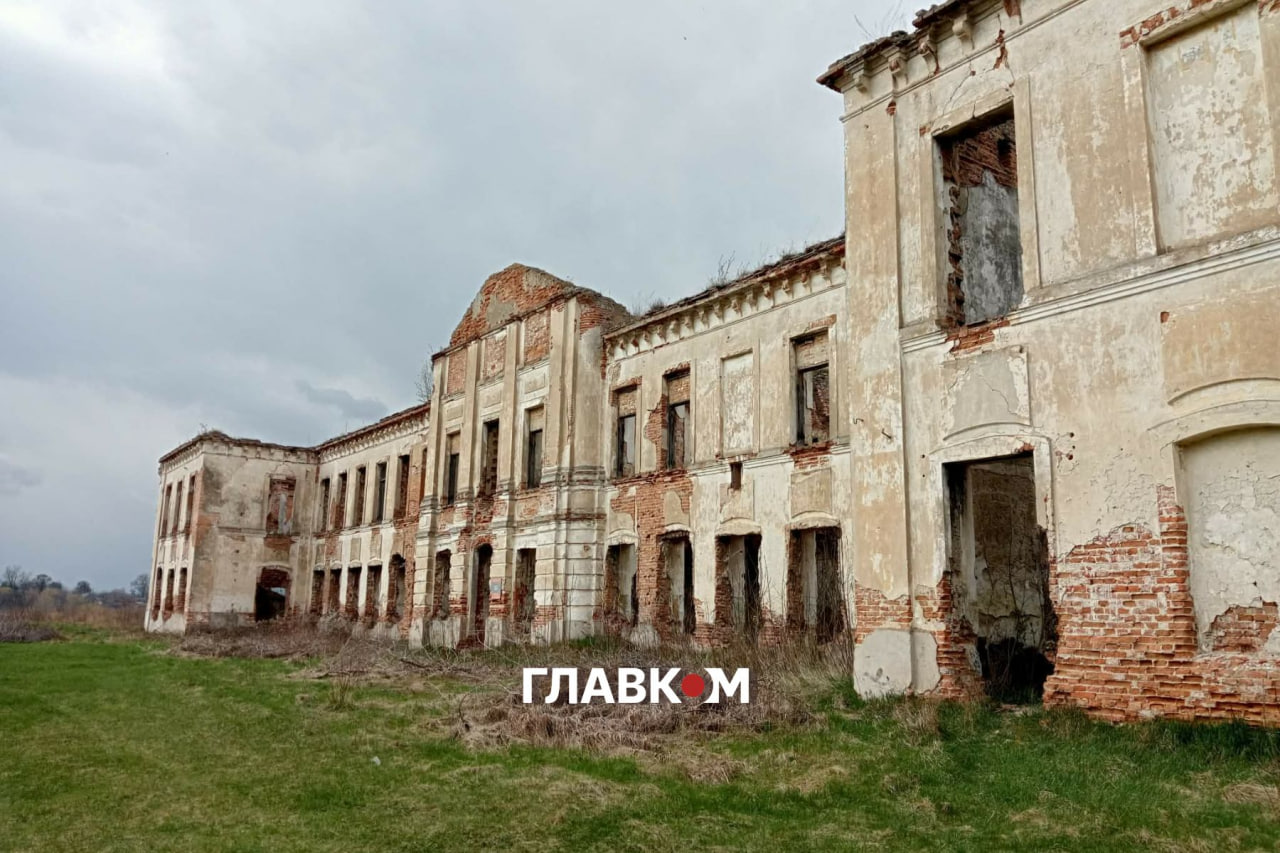
As of April 2026, most of the palace’s structures have already collapsed and been destroyed by time. In some places, this architectural monument of national significance no longer has walls, windows, or a roof. The facade of the remaining structures is also crumbling and falling apart.
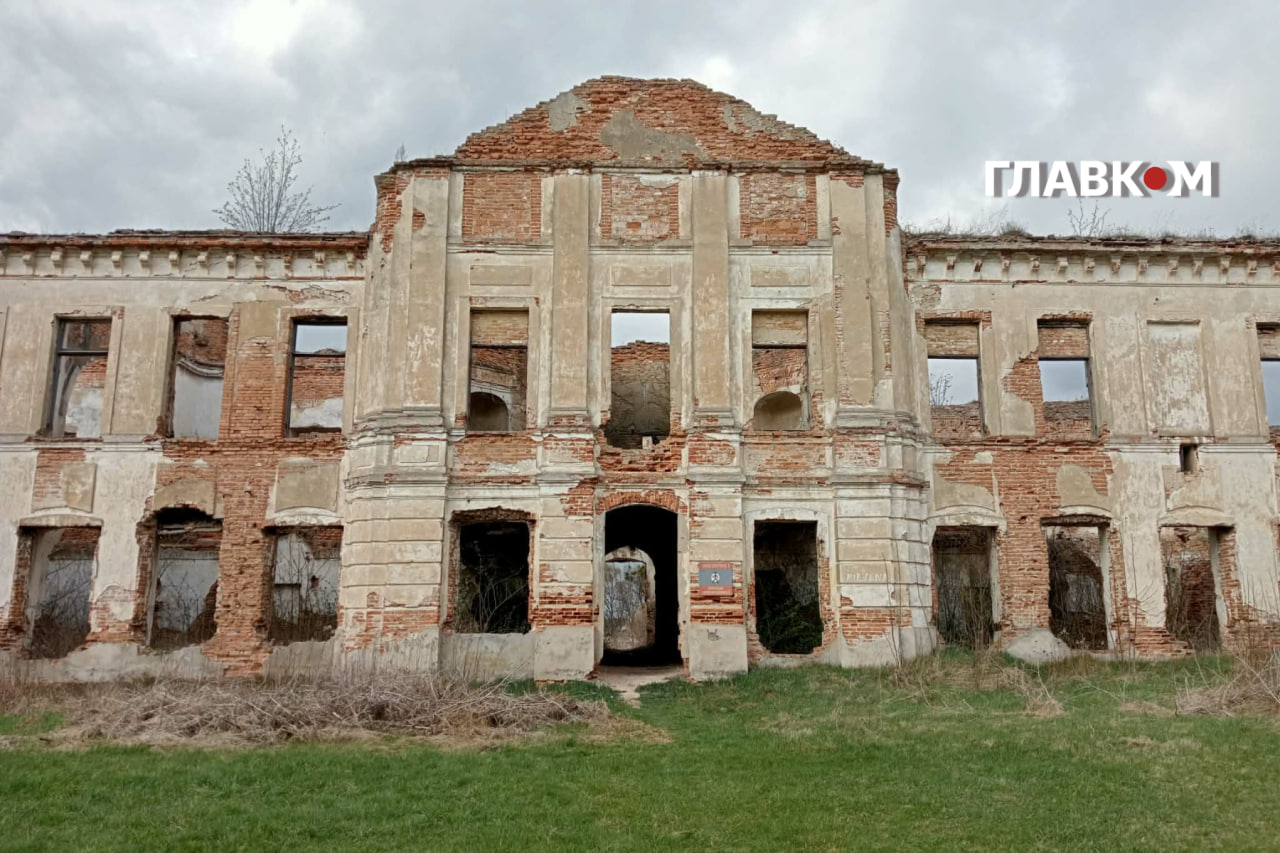
The Sangushko Palace is located on the grounds of the Novozaslavsky Castle in the city of Izyaslav, Khmelnytskyi region. This palace has a rich history, as its construction dates back to 1754–1770. It was built as a residence for the Volhynian estates of the Sangushko princes.
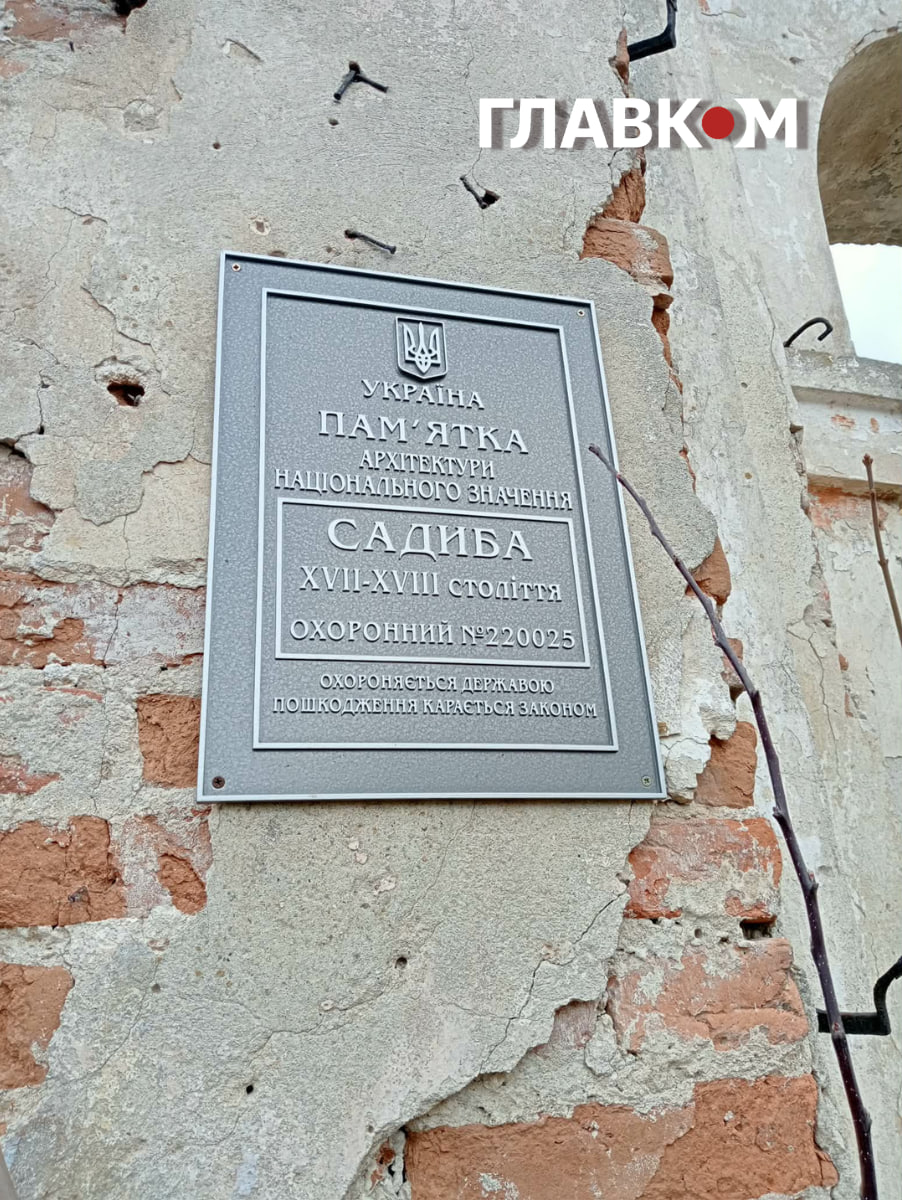
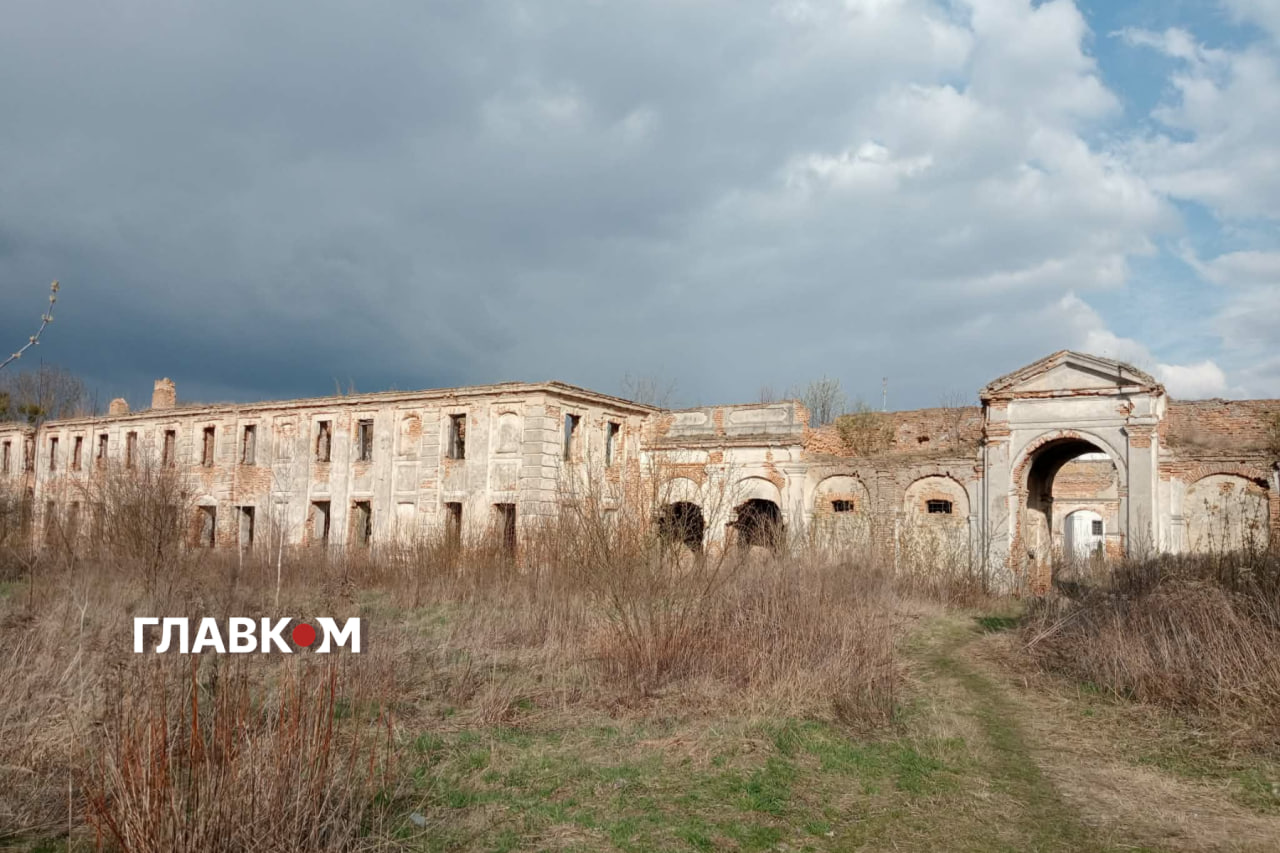
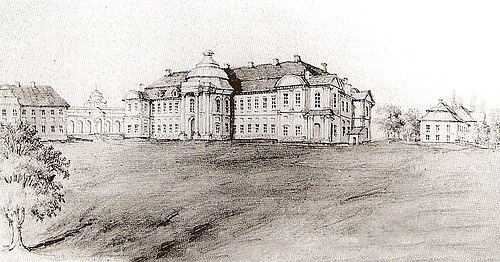
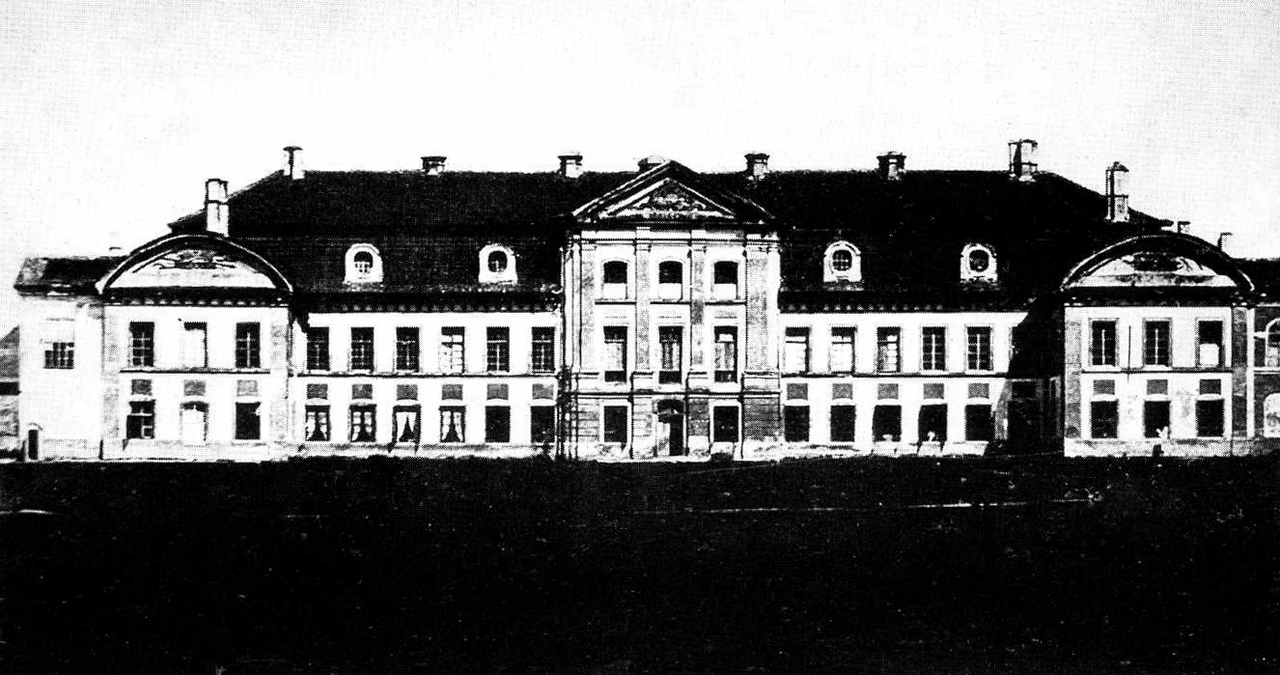
The building, which today retains only certain structural elements, has two stories. The palace was built in the Baroque style, chosen by Barbara Sangushko, the widow of Prince Pavlo Karl Sangushko, for whom this residence was originally built.
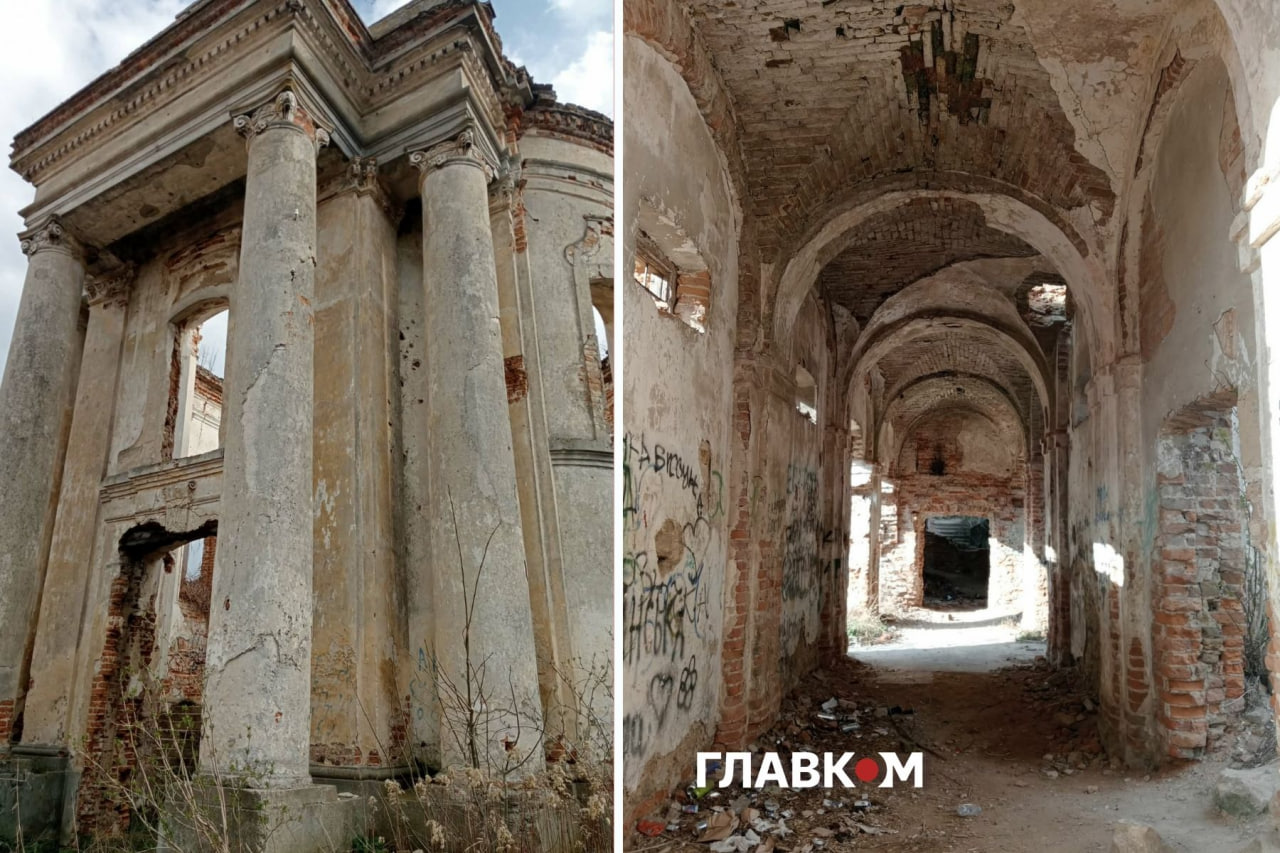
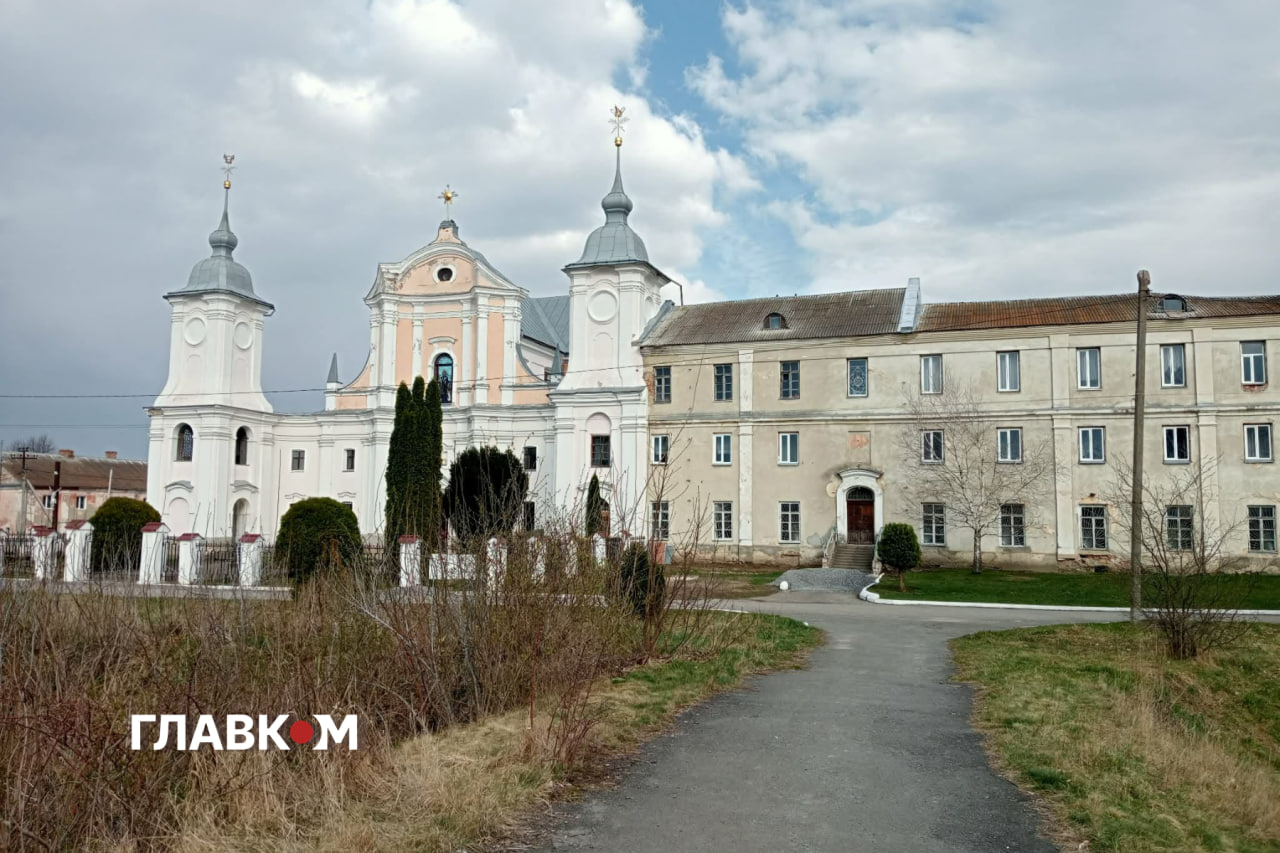
The palace has a separate courtyard connecting it to the palace of the Zaslavsky princes and the ruins of the Novozaslavsky Castle. This castle still stands near the palace and houses art galleries, a theater, numerous halls, and more.
A unique architectural landmark has crumbled in the Khmelnytskyi region—the Sangushko Palace in Izyaslav.
The palace was once a meeting place for politicians and magnates of Volhynia and Eastern Europe. pic.twitter.com/KbGCADM8TP— GLAVKOM (@GLAVCOM_UA) April 13, 2026
The design for the palace was created by court architect Paolo Fontana, but the princess was not satisfied with his sketches, so she entrusted the project to royal architect Jakub Fontana. Preparations for the palace’s construction took place between 1754 and 1755. Construction of the palace was completed between 1765 and 1770. At the height of its popularity, the palace served as a residence for many prominent figures of the time. The building also hosted receptions, balls, political gatherings, and more.
In particular, the Sangushko Palace hosted patrons, travelers, and political figures from Volhynia, as well as European aristocrats, generals, and politicians. Among the palace’s distinguished guests was the Polish King Stanisław August Poniatowski.
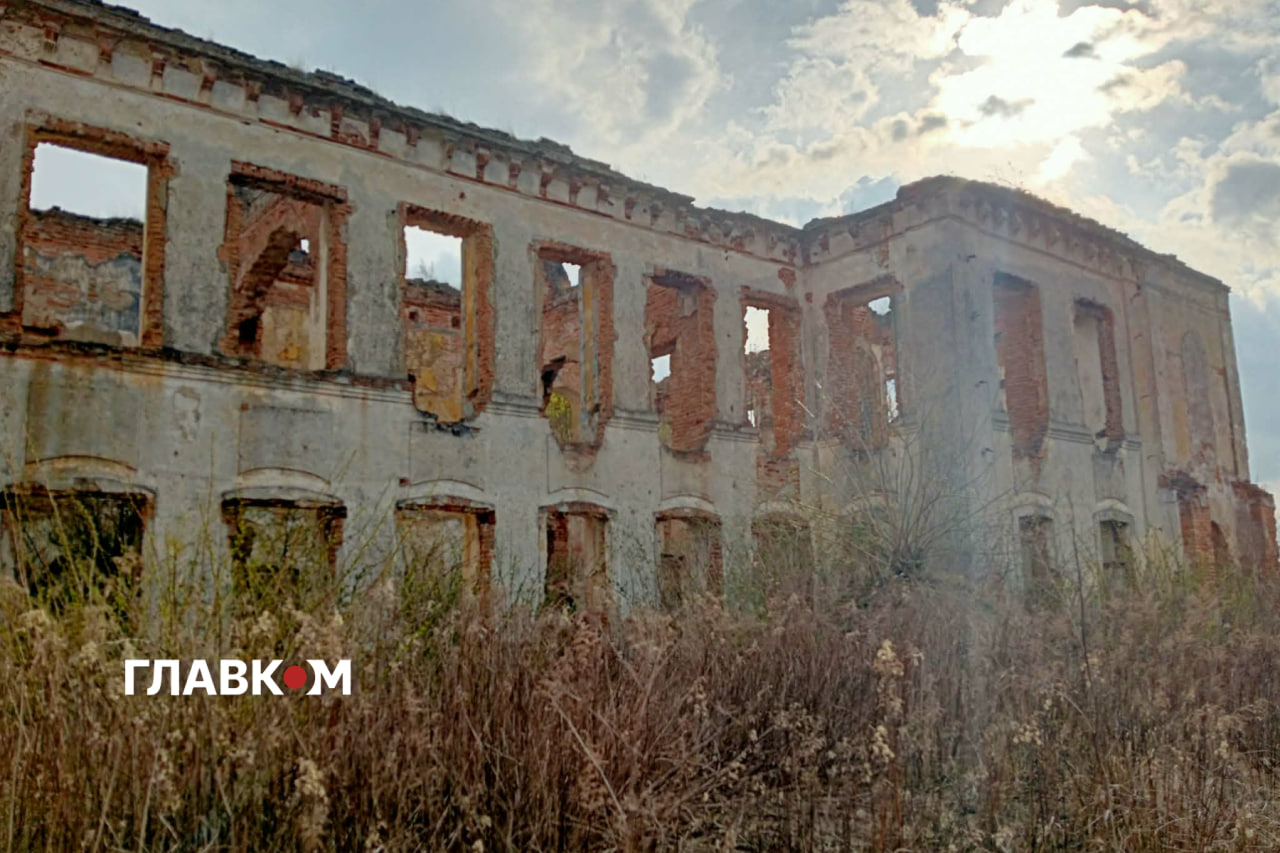
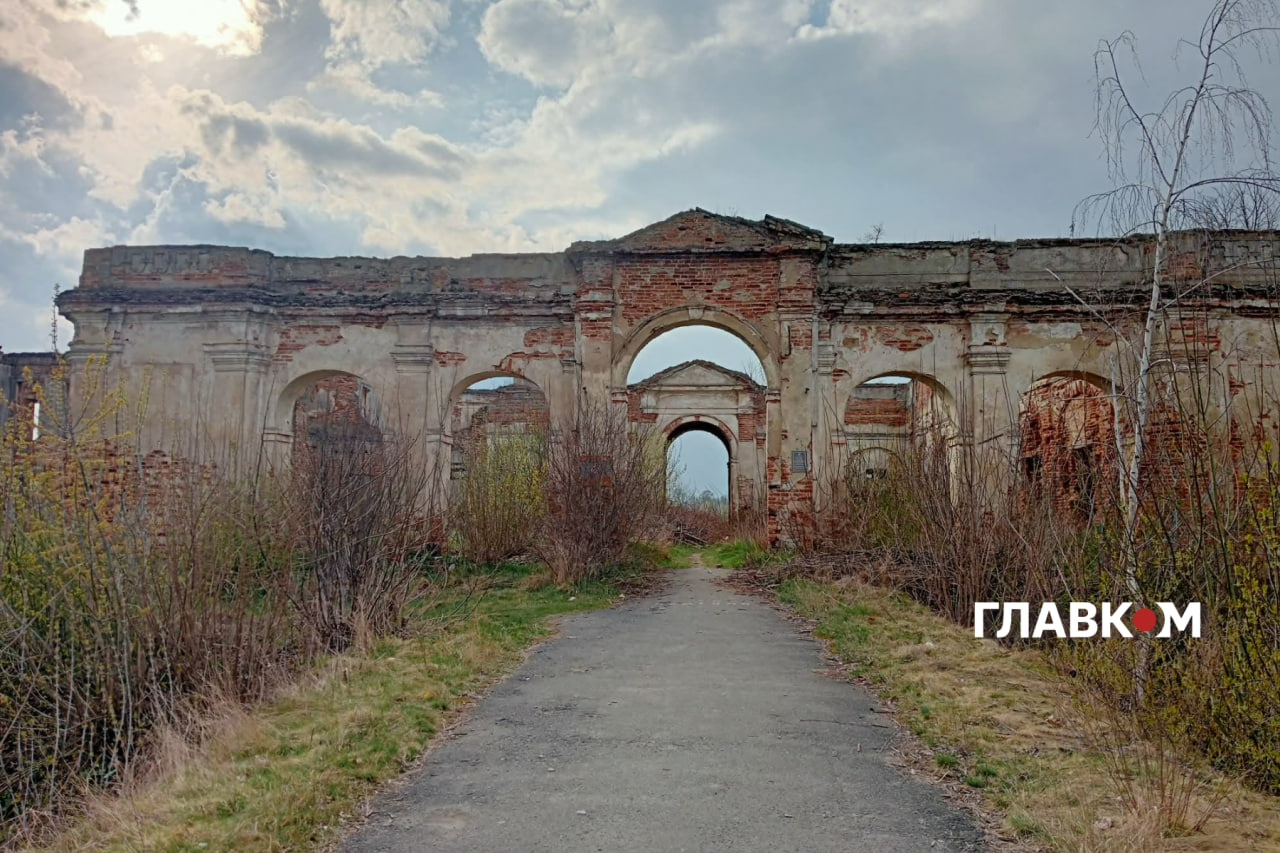
Eventually, the Sangushko Palace served as the headquarters of the Ukrainian People’s Republic’s army and a refuge for Soviet troops, among other uses. After World War II, the palace managed to survive, but in the 1970s, the authorities at the time allowed the roof to be removed, which became one of the reasons for its eventual ruin. Rain and weather conditions had a significant impact on the structure. In particular, over the past half-century, the Sangushko Palace has gradually fallen into disrepair.
An old palace was found on Viktor Orbán’s property, for which he cannot possibly have the funds.
Also, the Prosecutor’s Officeis demanding the demolition of the palace, which was illegally built on Trukhaniv Island.
Earlier, the Court of Appeals overturned an illegal decision by the Bucha District Council, and the 3,000-hectare Bilychansky Forest was returned to the Kyiv community.
After nearly five years of legal proceedings, a complex of historic buildings dating from 1830 to 1910, located in the historic part of Podil near Zamkova Hill, was returned to the Kyiv community.


