
Archaeologists in the Poltava region have discovered a hoard of 118 14th-century copper coins

In the Poltava region, the Hlynsk Archaeological Expedition of the “Bilsk” Historical and Cultural Reserve discovered a hoard of 118 copper coins from the post-Mongol period.
The coins were found tightly packed in a small pit at the excavation site, where no other archaeological objects were found.
They were likely deliberately hidden in a pouch or other organic container that has not survived to the present day.
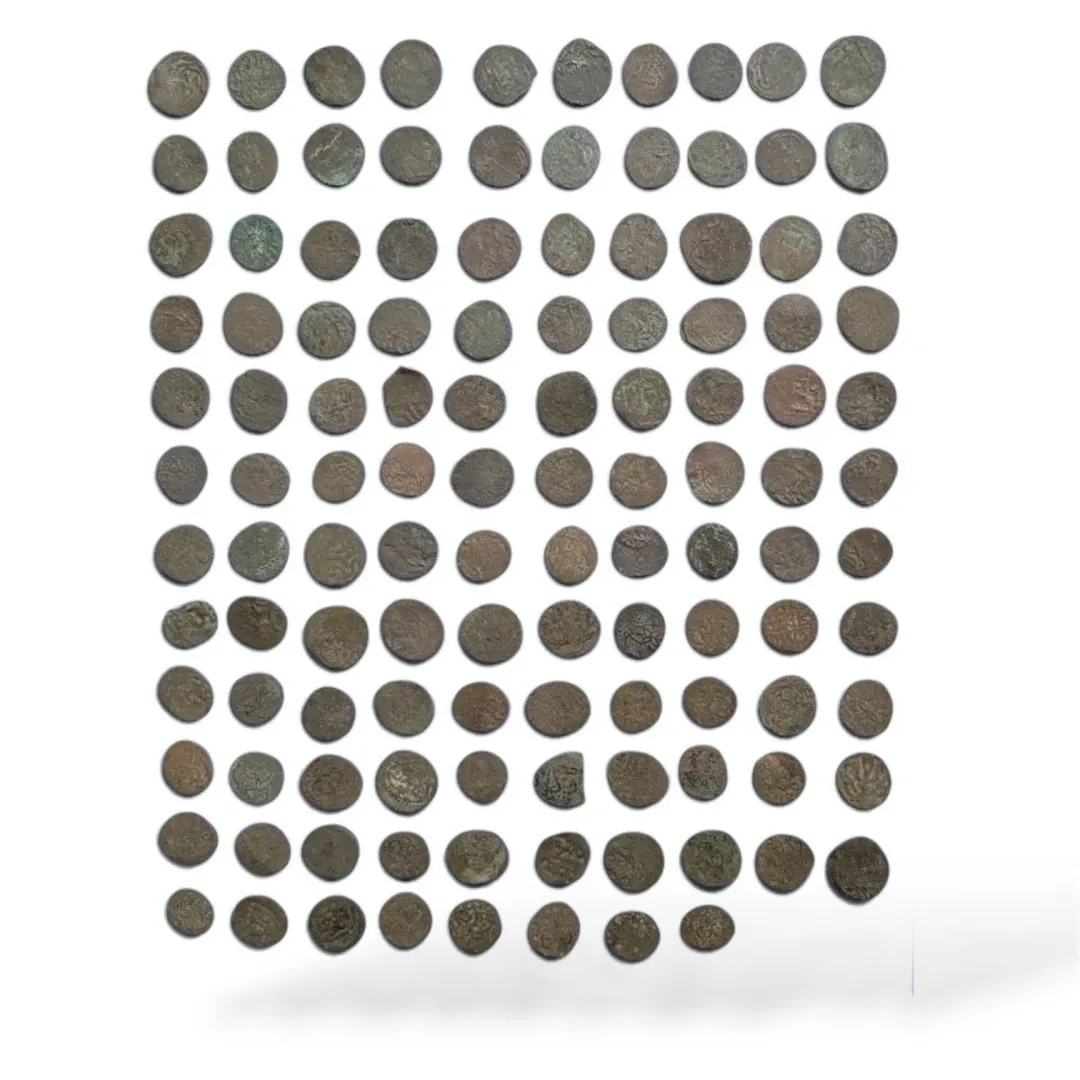
“The significance of the hoard lies not only in the number of coins. It is a complete set of small copper coins, deliberately hidden within the boundaries of a medieval settlement and discovered in a clearly defined archaeological context. It allows us to study the everyday monetary circulation and economic life of Hlynsk during the post-Mongol period,” noted Pugolovok.
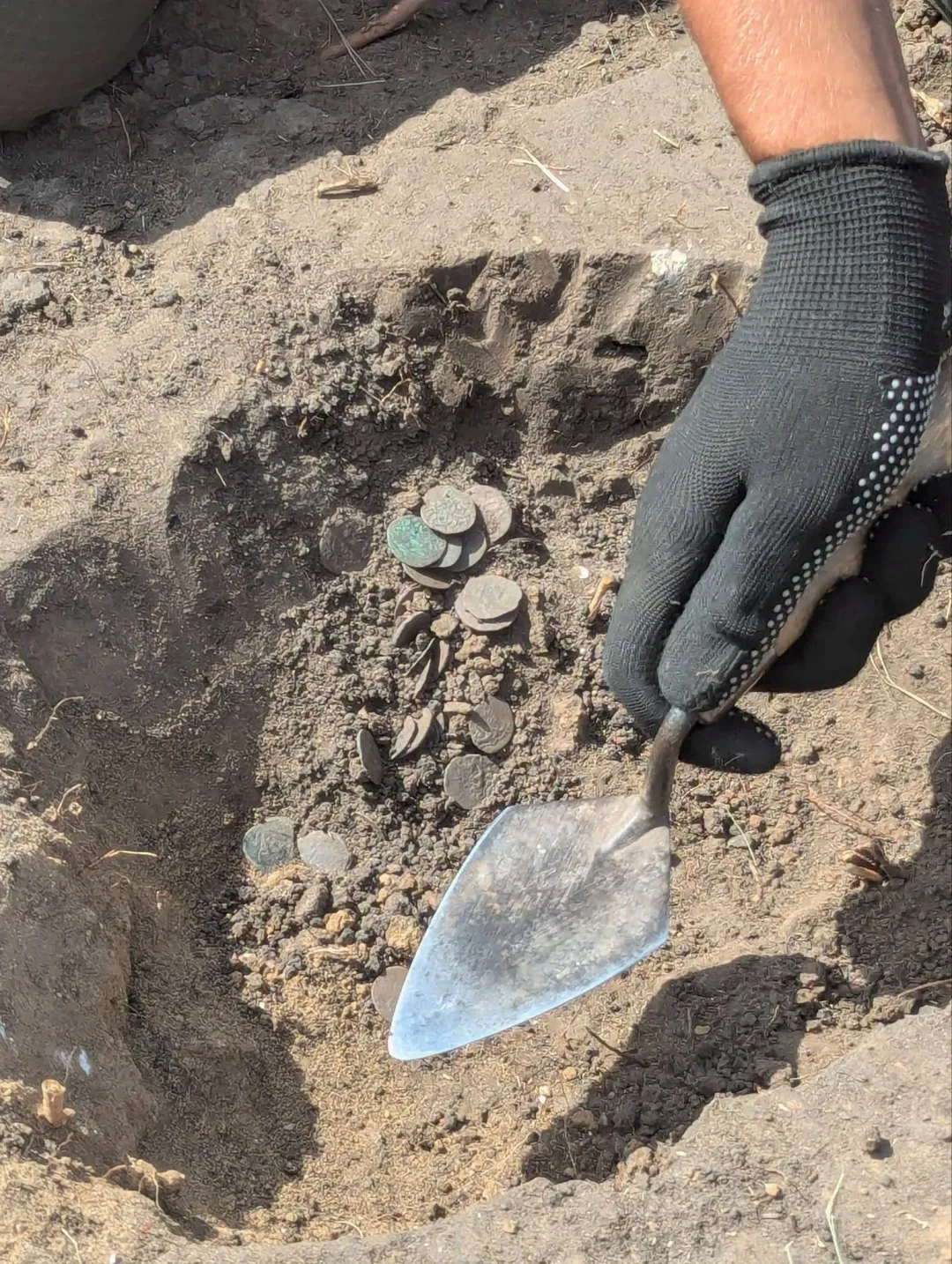
Archaeologists decided to collect all the soil from the discovery site and wash it to uncover additional materials that might help determine exactly what the hoard was hidden in.
“We collected all the soil from the discovery site in order to wash it and thereby uncover additional materials that might indicate what the treasure was hidden in,” added the expedition leader.
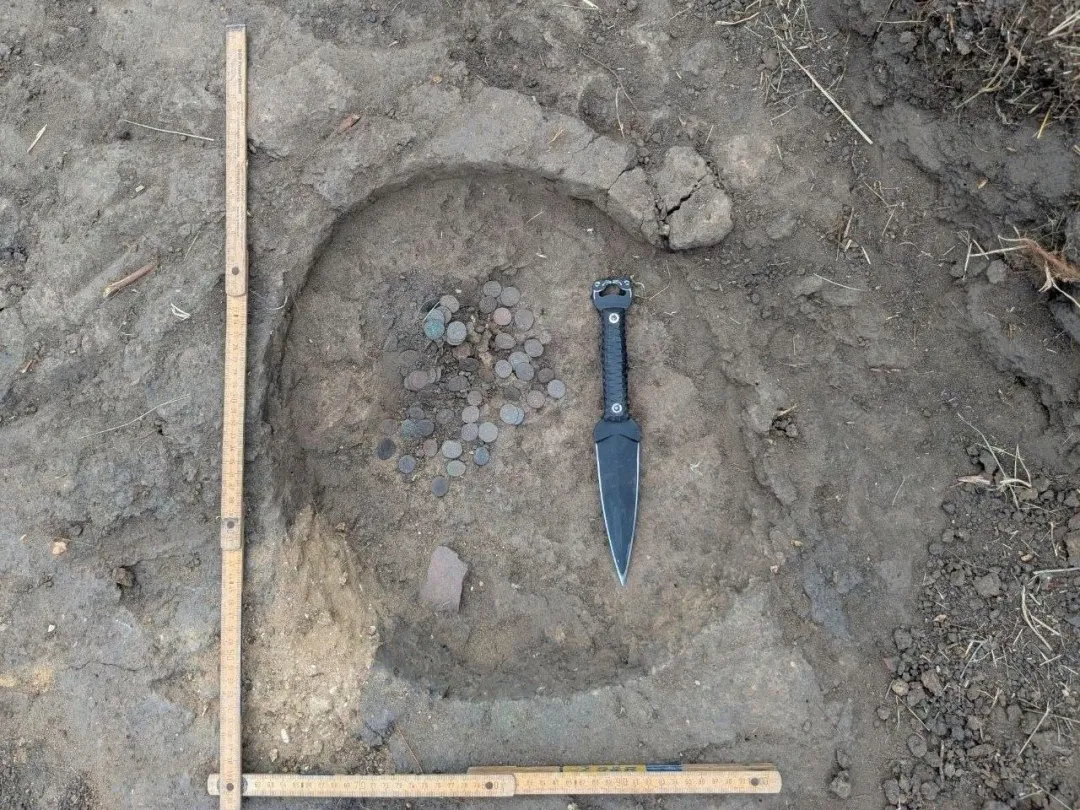
Preliminary estimates place the time the coins were hidden at the end of the 14th century. This was a period of political and military instability in the Ukrainian lands.
One of the key events of that time was the Battle of the Vorskla in 1399. However, archaeologists cannot yet confirm that the discovered hoard is directly linked to this event.
The exact time of the hoard’s concealment and the origin of the coins will be determined following numismatic analysis.
Currently, numismatists and conservators are working on the find.
The Hlynsk Archaeological Complex is located near the village of Hlynsk in the Poltava region, not far from the Bilsk settlement. The main part of the site is on the right bank of the Vorskla River.
Archaeological research at this complex has been ongoing for several decades.
This was reported by expedition leader Yuriy Pugolovok.


