
The Toughest Month for Bites: A Fisherman's Calendar for July 2026
July is considered one of the most challenging months for fishing. At the height of summer, the water in bodies of water heats up significantly, the oxygen content drops, and the fish become sluggish, finicky, and cautious. During this period, they hide in deep water, in underwater pits, or in dense reed beds, and are most active at dawn, at night, or during the cool of the evening. To avoid returning from the shore with an empty catch, experienced anglers recommend planning their trips according to the lunar calendar, since the Moon’s gravitational pull directly influences the behavior and appetite of aquatic life.
How the Moon Affects Fish Behavior

The phases of the moon cause fluctuations in water levels and alter internal pressure in living organisms, which significantly affects fish activity:
Waxing Moon (July 1–13, July 29–31): The energy of the water bodies gradually increases. Fish begin to move actively in search of food, become less wary, and respond well to bait. Fishing is particularly successful during the first quarter of the lunar cycle.
Full Moon (July 14): A time of unpredictable behavior. Large fish usually lie on the bottom and completely ignore even the most attractive lures. During the full moon, the bright nights make predators too visible, so they refrain from hunting.
Waning Moon (July 15–27): A period of steady, moderate bites. Fish feed according to their usual summer schedule; bottom rigs and classic plant-based baits for non-predatory fish work well.
New Moon (July 28): Energy is at its lowest. Fish become passive and barely react to external stimuli. Bites are almost completely absent on these days.
Biting Calendar: Favorable and Unfavorable Days
Period of excellent bites (best days): July 3, 4, 5, 11, 12, 17, 18, 19, 30, and 31. On these days, lunar rhythms are most conducive to strong and active bites. Fish actively search for food both at depth and near the surface.
Period of moderate bite (good days): July 1, 2, 6, 7, 8, 9, 10, 16, 20, 21, 22, 23. Fishing will be successful if you choose the right spot, bait the fishing spot, and experiment with different baits.
Poor bite (unpromising days): July 13, 15, 24, 25, 26, and 29. Non-predatory fish will hardly take the bait, and predators will become inactive. You can only count on an occasional catch of small fish.
Absolutely unfavorable days (no bites): July 14 (Full Moon) and July 27–28 (New Moon). On these dates, the fish need peace and quiet, and the chances of landing a substantial trophy are virtually zero.
What to Fish for and How in July
The July heat dictates its own rules for choosing tackle and lures for different fish species:
Carp and crucian carp: The main catches in July ponds. They’re best caught at dawn or at night using bottom rigs (feeder, flat feeder). For bait, give preference to canned corn, steamed peas, dough, or fruit-flavored boilies (strawberry, plum, pineapple).
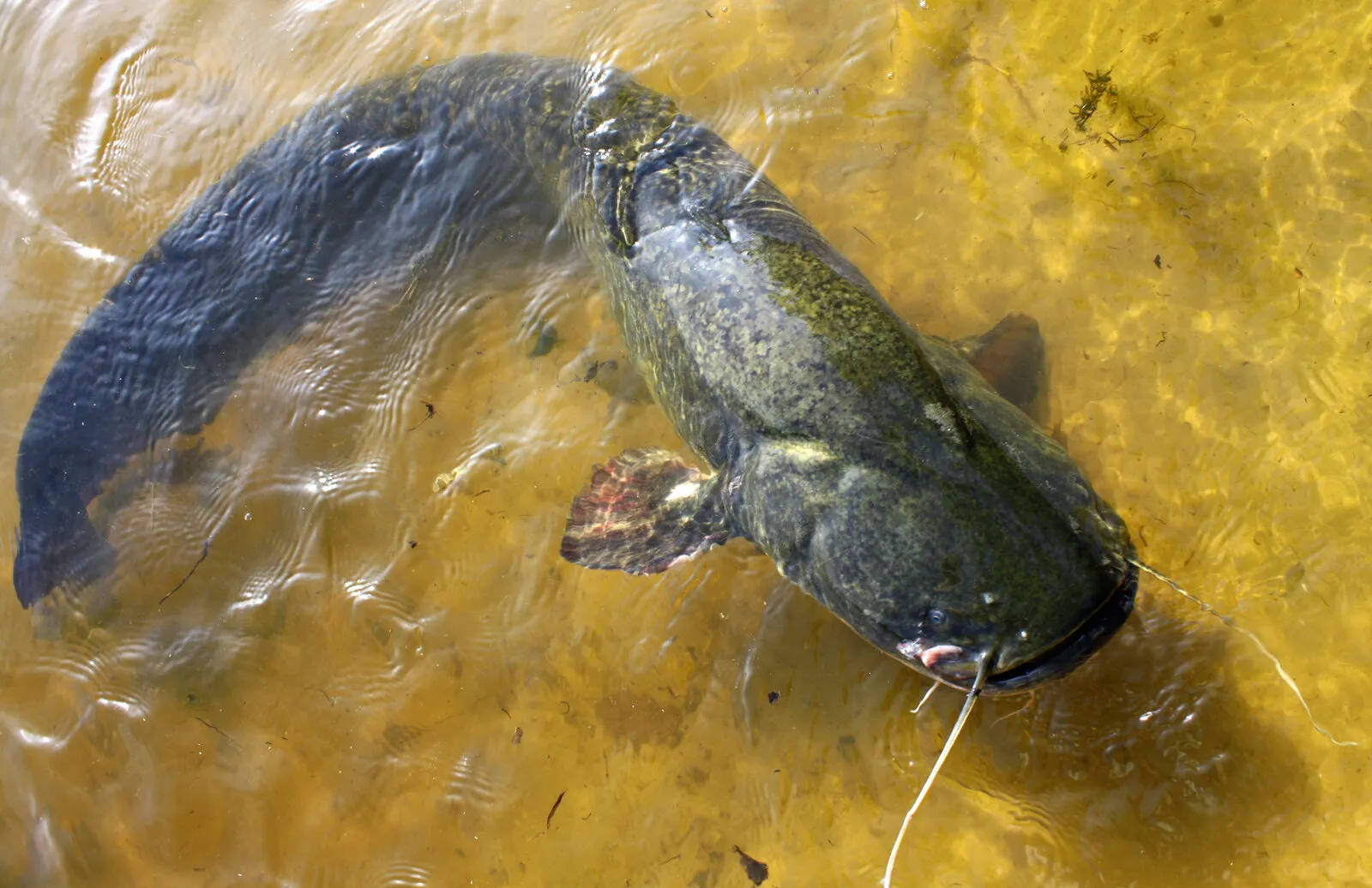
Catfish: July’s boldest nighttime hunter. On hot summer nights, it ventures into shallow waters and along railroad embankments. It is caught using heavy bottom rigs, with bait such as a bunch of manure worms, a frog, mussel meat, or a sparrow or large locust roasted over a campfire.
Pike and zander: This toothy predator becomes sluggish in the heat and hides in dense algae or under snags. It’s best to fish for it with a spinning rod only on overcast days or during brief thunderstorms. Zander, on the other hand, becomes more active in deep river channels late in the evening and before dawn—silicone lures and minnow-style wobblers work well here.
Bream and roach: They bite well in river currents. For success, you’ll need a large amount of attractant bait mixed with sweet syrups (molasses, vanilla). The best live bait is maggots, bloodworms, or a “sandwich” with a worm.
Practical Tips for Fishing in July
In July, the angler’s main enemies are the heat and the bright sun. Try to choose spots in the shade of riverside trees or where cold underwater springs emerge. Keep an eye on the wind: north and west winds usually bring coolness and stimulate fish activity, while south and east winds intensify the heat and suppress bites.
Also, remember to preserve your catch: in warm water, caught fish quickly lose their vitality and spoil, so keep your keepnet as deep in the water as possible in the shade, or better yet, use special insulated bags with ice packs.
This is reported by UA.News.


