

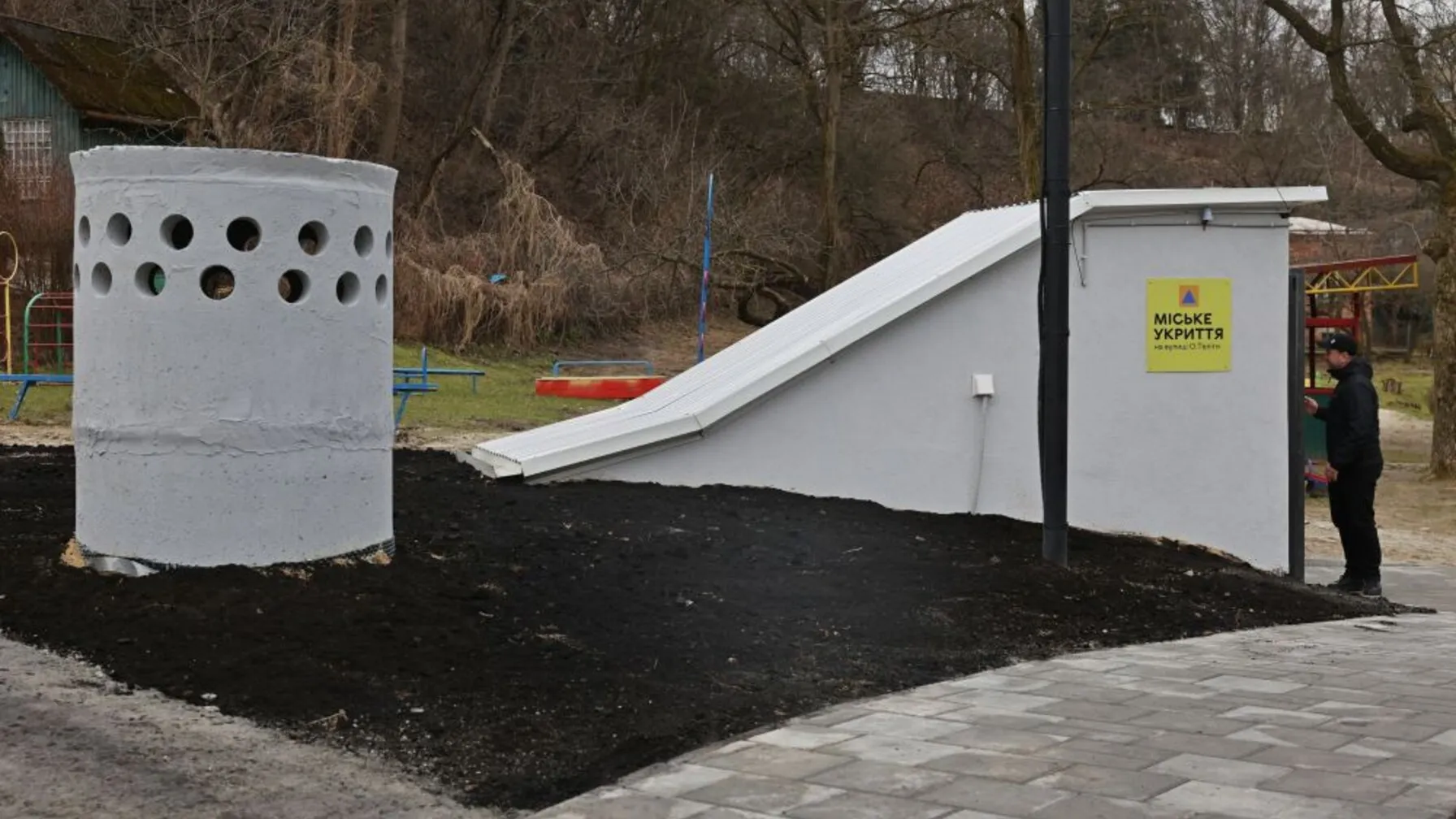
Intense Russian attacks and the wear and tear on air defense systems have once again brought to the forefront systemic problems with shelters and access to them. Despite tens of billions of hryvnias spent on the construction, repair, and equipping of protective structures, Ukrainians continue to risk their lives due to a lack of safe shelters and difficult access to them.
This problem has become most acute in the capital. During the latest shelling, Kyiv residents who ran to take shelter in the metro were either turned away due to lack of space or allowed in only after the air raid siren had already sounded, when explosions were already heard. These scandalous incidents spread across social media.
The government has responded to this outrageous situation. Prime Minister Serhiy Koretskyi ordered an inspection of all civil defense shelters to ensure they are properly maintained and that citizens have unimpeded access to them.
To what extent do official reports on the shelters differ from their actual condition, and why the authorities can no longer ignore this problem—read the article on UA.News.
Regular Inspections and Government
Initiatives
“People must always be able to reach shelters in a timely manner and without hindrance, especially when there is a ballistic threat. And this is the personal responsibility of every official,” commented Prime Minister Serhiy Koretskyi on his directive to conduct an urgent inspection of the shelters.
He entrusted this task to the relevant agencies in collaboration with regional military administrations, including the Kyiv City Military Administration and local government bodies. However, this is far from the first initiative by the authorities to bring order to the shelter system. Campaigns to inspect shelters have occurred in waves since the start of Russia’s full-scale invasion.
The lack of shelters first became a topic of discussion after the initial massive strikes on Ukrainian cities in 2022. At that time, the State Emergency Service began taking inventory of protective structures, and local authorities were instructed to open basements and equip them to shelter citizens.
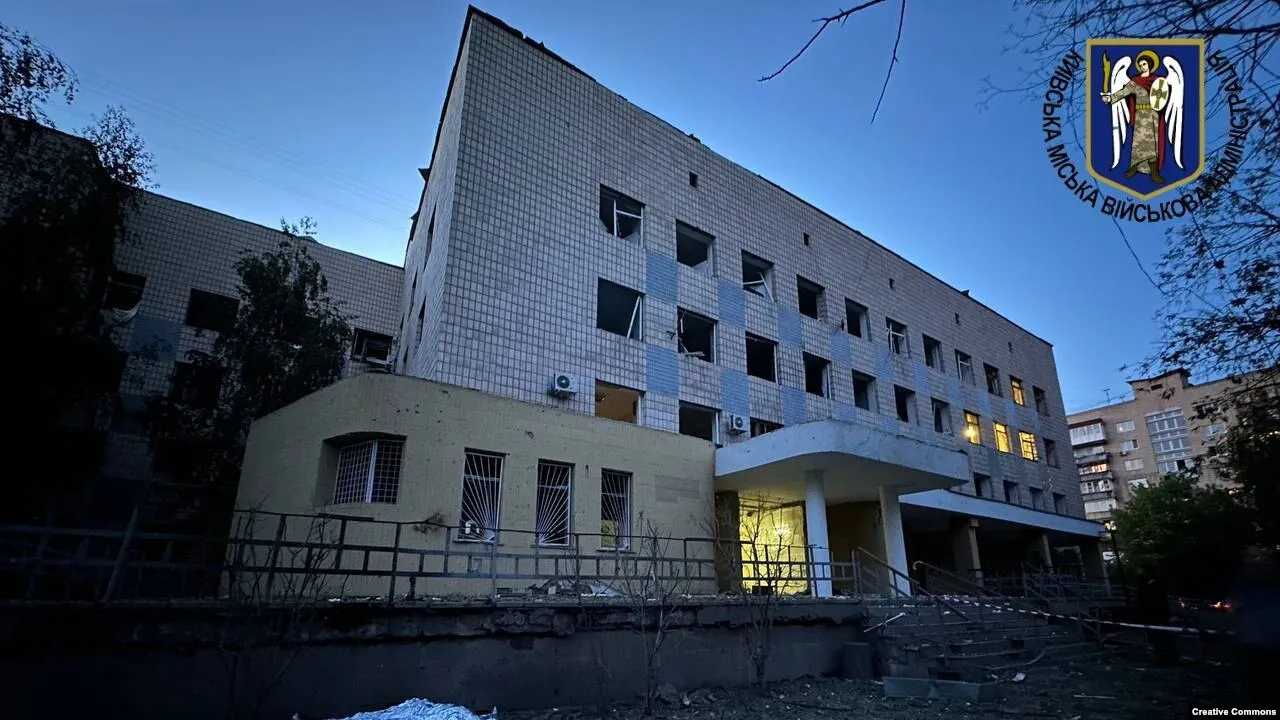
The issue resurfaced in June 2023 following the tragedy near a clinic in Kyiv’s Desnianskyi district. People were unable to reach the shelter inside the medical facility. Three people, including a child, were killed by falling debris from Russian missiles, and 11 others were injured.
At that time, the Cabinet of Ministers instructed special commissions, the State Emergency Service, and the Ministry of Internal Affairs to conduct repeat inspections of shelters throughout Ukraine. Oleksandr Kamyshin was appointed by the government to oversee the effort. As a result of the audit, dozens of officials faced disciplinary action.
By December 2024, it appeared that the situation with shelters had improved. The Cabinet of Ministers reported that since 2022, the stock of protective structures had tripled and now numbered over 62,000 facilities nationwide. Moreover, the government planned to upgrade them based on the “Finnish model,” in which all shelters provide a high level of protection and serve a dual purpose. Some regions launched their own electronic maps of shelters.

In November 2025, the government took another step toward providing shelters for the population. Together with international partners, it signed a memorandum to launch the “Coalition for Shelters in Ukraine.” The initiative is based on the Strategy for the Development of Ukraine’s Civil Defense Infrastructure through 2034, developed by the Ministry of Internal Affairs and the State Emergency Service.

During the project’s launch, the EU, together with Finland, Lithuania, Belgium, Sweden, and Ireland, announced the provision of initial grants totaling 22 million euros to Ukraine. Participants in the initiative publicly stated that a full-scale war requires a rethinking of approaches to the planning, design, and construction of civil defense structures as part of urban planning policy.
What the Ombudsman’s
Audit Revealed
Officially, there are over 66,000 shelters in Ukraine capable of accommodating 16.5 million people. However, the Ombudsman’s audit revealed the actual state of the shelter infrastructure for the civilian population in Ukraine.
In the second half of 2025, a team from the Secretariat of the Verkhovna Rada Commissioner for Human Rights visited 1,066 shelters across all regions of Ukraine that were generally accessible to the public. The inspections did not include shelters in educational institutions with in-person classes or critical infrastructure facilities.
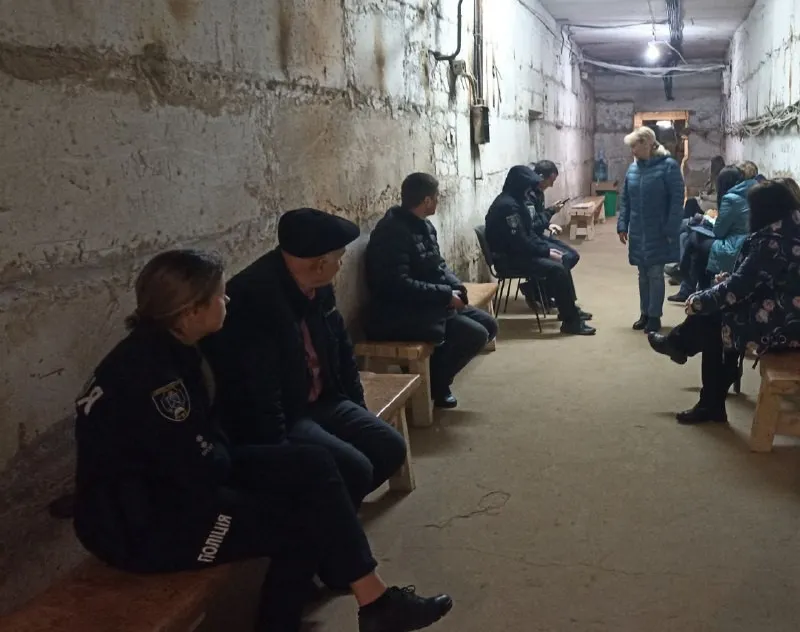
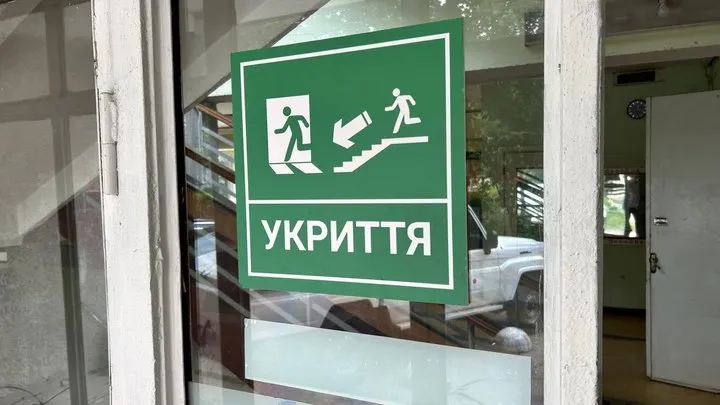
It turned out that 93% of the shelters (991 out of 1,066) require urgent refurbishment. Access to 80 facilities was not possible at all, as they were closed. The largest number of inoperable shelters was found in the Lviv, Zhytomyr, Kyiv, and Kharkiv regions, as well as in the city of Kyiv. In other words, during an alarm, people could run there but would find locked doors or a basement in a state of complete disrepair.
The monitoring results indicated that the operation of shelters is regulated by dozens of laws and regulations, yet there is no single document applicable to all government agencies. Another ongoing issue is the lack of funding for the proper refurbishment of these facilities.
Real and Fictitious Shelters in Kyiv
The city government regularly reports an increase in the number of shelters. According to the Kyiv City State Administration, since the start of the full-scale war, approximately 3,000 shelters in the city have been repaired and retrofitted. Approximately 7 billion hryvnias have been allocated from the city budget for these purposes for the period 2022–2025, of which 4.5 billion is earmarked for the repair and equipping of shelters.
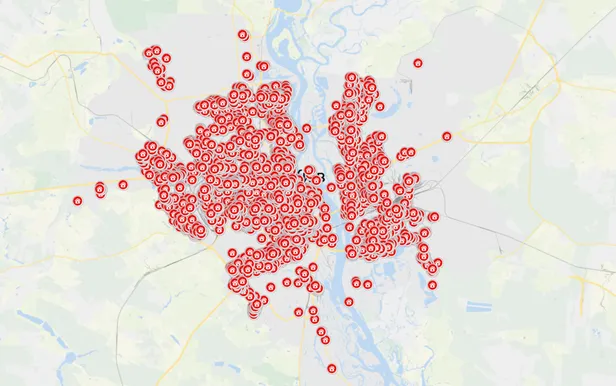
The Kyiv City State Administration states that there are over 4,300 functional shelters in Kyiv, capable of accommodating more than 97% of the capital’s residents. A special online map has been created to make it easier to locate them. Kyiv officials also report that shelters are subject to ongoing audits—since the beginning of 2026 alone, more than 600 inspections of the shelters’ condition and accessibility have been conducted.
These “perfect” statistics and the billions of hryvnias spent annually on expanding the shelter network piqued the interest of investigative journalists. They decided to verify on the ground whether the publicly accessible shelters listed on the Kyiv City State Administration’s online map actually exist.
According to data from the “Slidstvo.Info” project, there are fewer than 100 publicly accessible shelters in Kyiv capable of protecting people from danger. Only about 1.8% of the city’s residents can take shelter there, based on the Kyiv City State Administration’s population figure of 3 million. At the same time, some of the shelters exist only on paper, while others remain neglected.
The reliability of the facilities registered with the Kyiv City State Administration deserves special attention. Officials at the State Emergency Service of Kyiv assured journalists that almost any underground structure can be used to shelter the population, but if forced to choose between the basement of a high-rise building and a metro station, the latter is the better option.
However, this approach contradicts the provisions of Ukraine’s Civil Protection Code, which does not recognize the simplest shelters as protective structures; only bomb shelters and anti-radiation shelters fall under this category.
It also remains a challenge to locate the people responsible for opening the shelters, as the phone numbers listed on the online map are often incorrect. “Out of 20 randomly dialed numbers, someone answered in only four cases (and all of these people work in the administration and are not actually responsible for the shelters), while in two other cases, the people who answered said they hadn’t worked there for several years,” the investigation notes.

Most Seek Shelter in the Metro
Since the start of the full-scale invasion, subway stations have become one of the main places where the capital’s residents take shelter during massive attacks. In recent months, the Kyiv Metro has taken in a record number of people during air raid alerts, and the numbers are rising. While more than 52,000 people took shelter in the metro on the night of July 2, by July 30, more than 56,000 were seeking refuge underground. This also indicates that people have no alternative places to hide from missile strikes.
Moreover, the shortage of space in the metro is becoming increasingly critical. Technically, the metro can accommodate about 40,000 people—and that’s even with all 46 underground stations serving as shelters during air raid alerts.
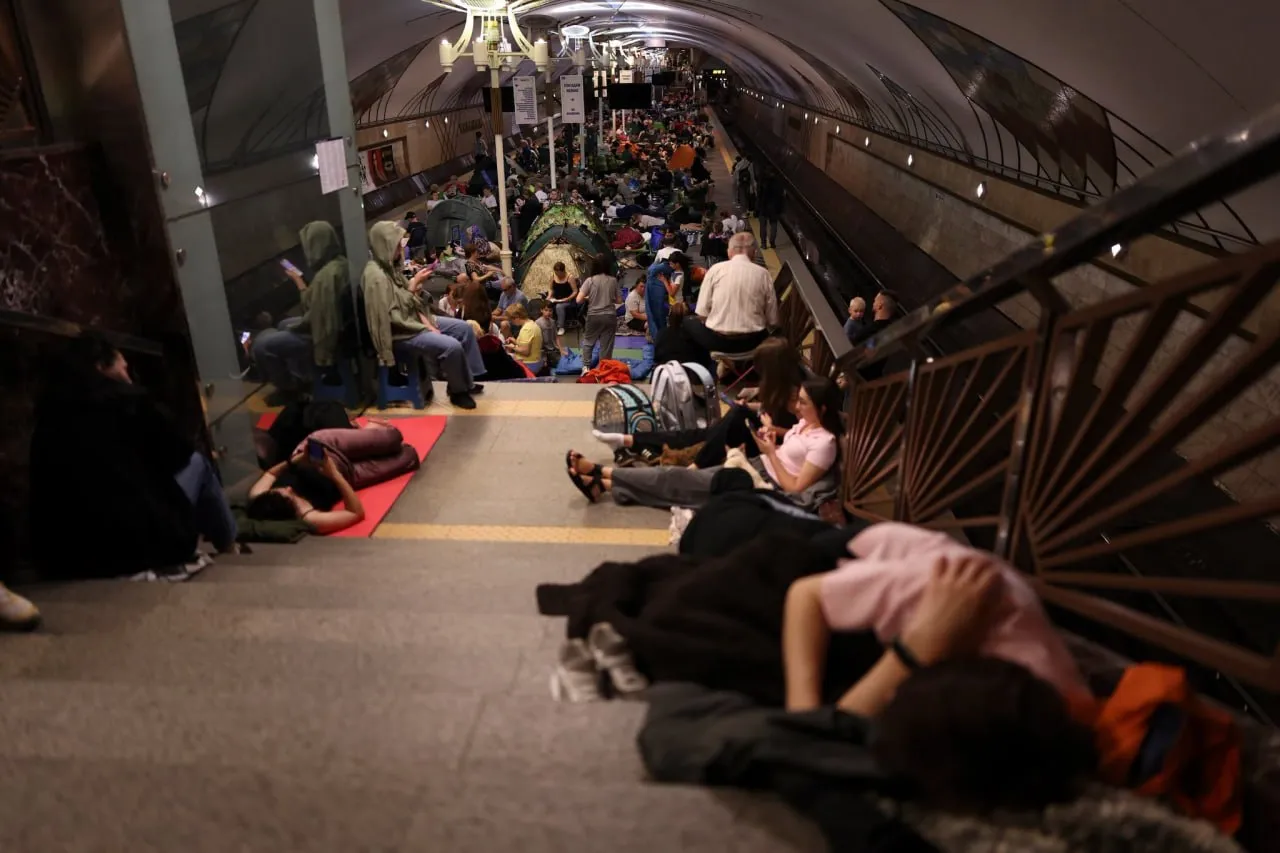
Social media and the news have become accustomed to constant posts showing photos of overcrowded stations in the Kyiv Metro. However, as the intensity of the massive attacks increases, it is becoming clear that the metro will not be able to accommodate everyone who seeks shelter.


In some cases, conflicts have already arisen because certain metro stations simply stopped letting people in or only opened their entrances after the air raid siren sounded—when missile strikes were already taking place.
Metro officials have repeatedly denied such reports. But the problem of overcrowded stations remains a source of tension, and as Russian strikes intensify, public outrage over the lack of shelters may grow.
Why Statements About Inspections Are Not Enough
The situation regarding the preparation of shelters in Kyiv appears even more dire against the backdrop of rising casualty numbers resulting from massive attacks. On the one hand, this reflects the intensity of the enemy’s strikes; on the other, it highlights the urgent need to provide people with a sufficient number of shelters.
In 2024, approximately 80 people were killed in the capital as a result of Russian strikes, and more than 400 were injured. In 2025, 171 people were killed and 945 were wounded. In 2026, the number of casualties continues to rise.
In December 2025, “Slidstvo.Info” analyzed information on 14 residential and 4 non-residential buildings that had been destroyed or severely damaged as a result of Russian attacks since 2022. A total of 152 people died in these buildings, including 22 children. Thus, out of 18 buildings, only four had shelters—and all of them were very basic. That is, basements that could accommodate only a very limited number of people.
For example, in the high-rise building at 3/3 Boryspilskaya Street, where 22 people were killed as a result of a missile attack on August 28, 2025, there was a shelter that could accommodate only 33 people. And judging by publicly available photos, the shelter itself was in a state of disrepair. At the same time, it takes about 11 and 43 minutes, respectively, to walk to the shelters closest to the destroyed building.
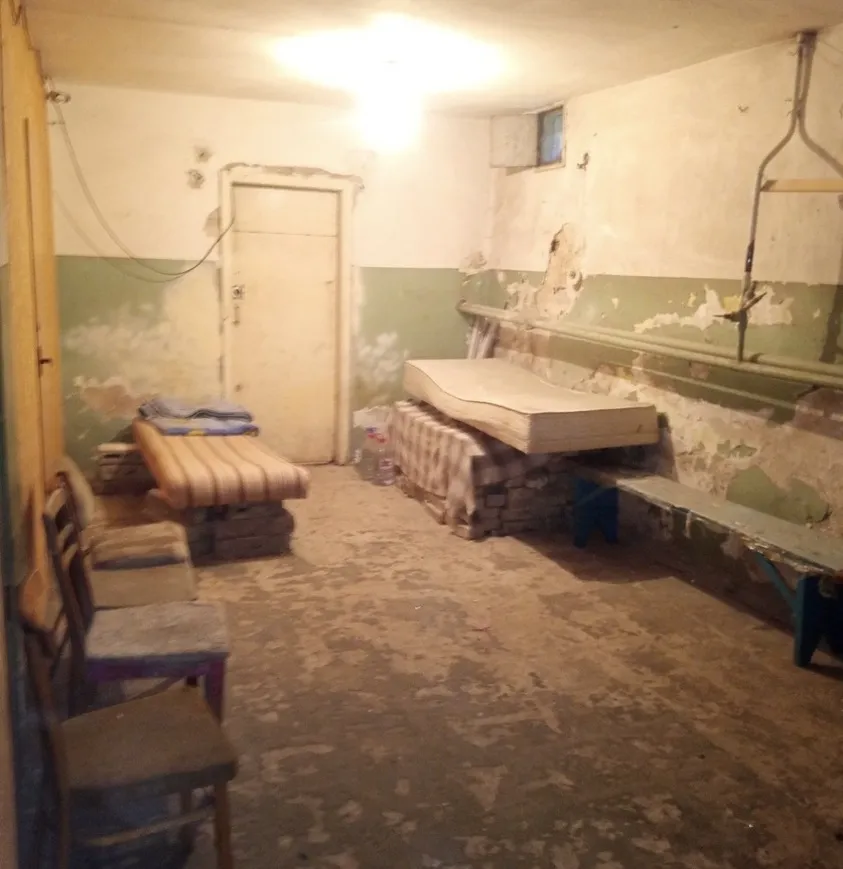
It
appears that all previous inspections, initiated by both the government and local authorities, failed to identify any deficiencies in the operation of such shelters. Perhaps the current wave of audits of such facilities will improve the situation and increase the personal accountability of those responsible for maintaining the shelters.




