
Logistics forces reported problems with supplying the Ukrainian Armed Forces and expressed their support for Syrsky
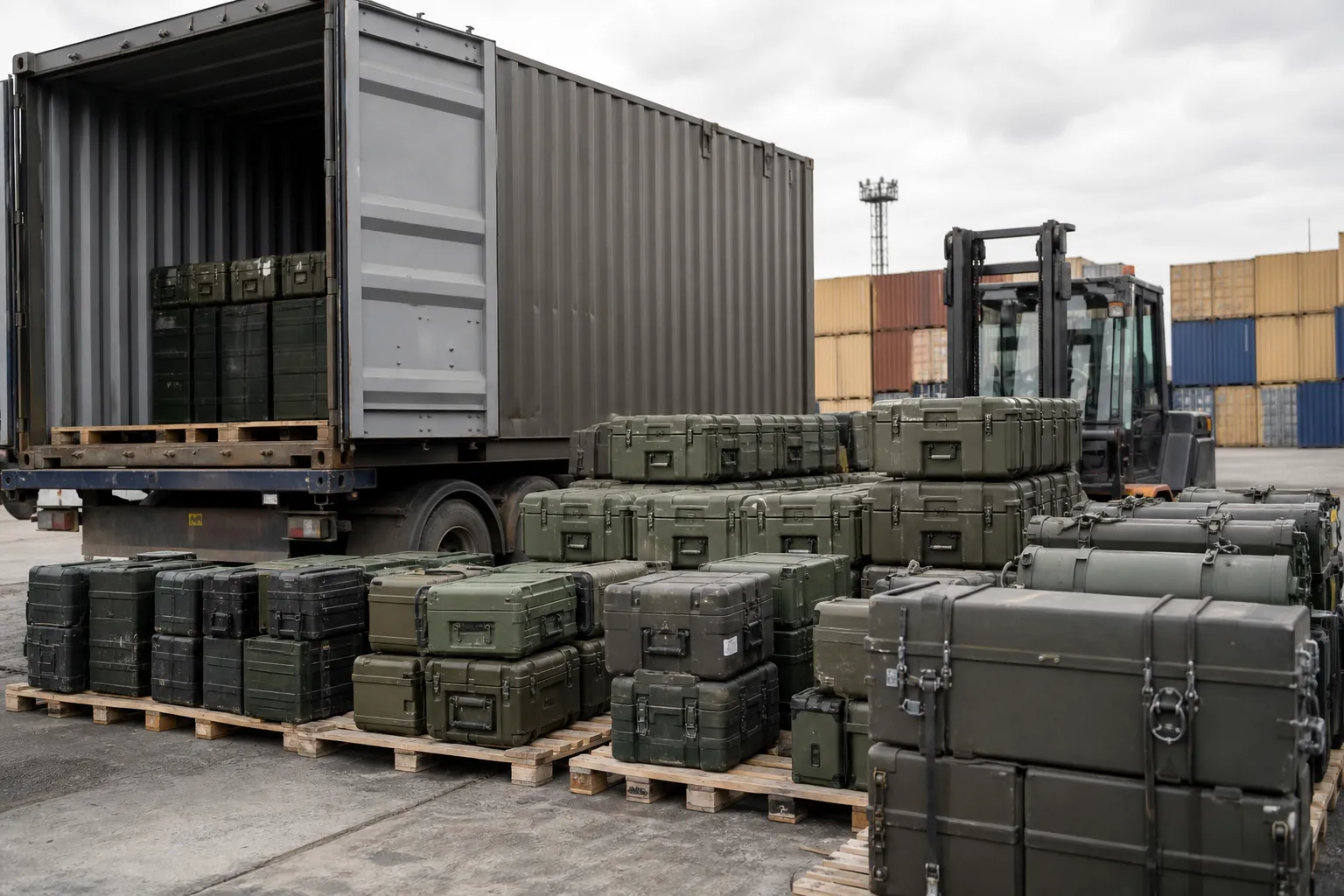
The Command of the Logistics Forces of the Armed Forces of Ukraine reported a deterioration in the supply of troops during the first half of 2026 and publicly expressed its support for Oleksandr Syrskyi, Commander-in-Chief of the Armed Forces of Ukraine. Command spokesperson Lieutenant Colonel Valeriy Shershen attributed the problems to management decisions within the Ministry of Defense and stated that the situation was helped by the intervention of President Volodymyr Zelenskyy, who, according to him, “facilitated the resignation” of Defense Minister Mykhailo Fedorov.
According to “Ukrainska Pravda,” the Logistics Forces’ statement notes that the supply system is “losing its resilience.” Current needs are increasingly being met with accumulated reserves or funds from other critical areas. Shershen emphasized that signing contracts and holding tenders do not mean that equipment, fuel, and other supplies are actually reaching military units.
According to the spokesperson, decisions regarding funding, international partner assistance, and urgent procurements are being made far too slowly. He also claims that feedback from the front lines is not always taken into account when signing contracts, which means that equipment of questionable effectiveness may be delivered to the troops. According to preliminary estimates by the Logistics Forces, nearly 37 billion hryvnias will be needed by the end of the year for key areas of logistical support, with an additional 16 billion hryvnias required for the repair of weapons and military equipment and the procurement of spare parts.
Separately, Shershen noted a lack of funding for fuel procurement. According to him, additional funds were not provided on time, despite appeals from the military command to the Ministry of Defense. For some time, military units were supported using previously stockpiled reserves, but after those reserves were depleted, the shortfall began to be covered with funds intended for the procurement of weapons and equipment. “When these funds are used to cover planned daily needs, the reserve ceases to be a reserve,” he noted.
The spokesperson also highlighted risks regarding the provision of winter gear for the troops. According to him, the initial funding was insufficient to cover winter jackets and pants, body armor, protective suits, and chemical hand warmers. Although savings were made on procurement, the decision to use those funds for an urgent order of equipment was delayed.
As an example of the gap between announced procurements and actual deliveries, Shershen cited the purchase of 5,000 pickup trucks, which the Ministry of Defense announced in May. He asserts that most of the vehicles for which contracts have been signed or procurement procedures have been initiated have not yet been delivered to the Armed Forces of Ukraine, and the main deliveries are expected in late fall and early winter.
The statement also raises issues regarding quality control of procurements, food supplies, and the RPG-75M single-use anti-tank grenade launchers. Shershen claims that over 70% of feedback from the front lines regarding the 1984-model rounds was negative, yet their supply continued. Furthermore, according to him, since the beginning of 2026, the central logistics services have lacked the necessary annual authorizations from the minister to enter into no-cost contracts with partners, which is delaying the transfer of engineering equipment, generators, loaders, night-vision devices, and other assets.
At the end of his statement, the spokesperson for the Logistics Forces questioned whether it was appropriate to hold Syrsky and the commanders of military units responsible for the supply problems. He called for “full support for the professional team at the Ministry of Defense,” without which, he said, it is impossible to defend the country effectively.


