
August 15, 2026 — Ternopil City Day: History and Traditions

On August 15, Ternopil celebrates City Day. This date became official in 2024 after Ukraine switched to the New Julian calendar. Now the holiday falls on a day historically associated with the feast of the Assumption of the Blessed Virgin Mary, and on this day the city comes alive with cultural, sporting, charitable, and family events.
Ternopil City Day is celebrated on August 15. In 2026, the holiday falls on a Saturday. However, this was not always the case. Until 2024, Ternopil traditionally celebrated City Day on August 28—the Feast of the Dormition of the Most Holy Mother of God according to the old church calendar. After the Orthodox Church of Ukraine switched to the New Julian calendar, the date of this holiday changed to August 15.
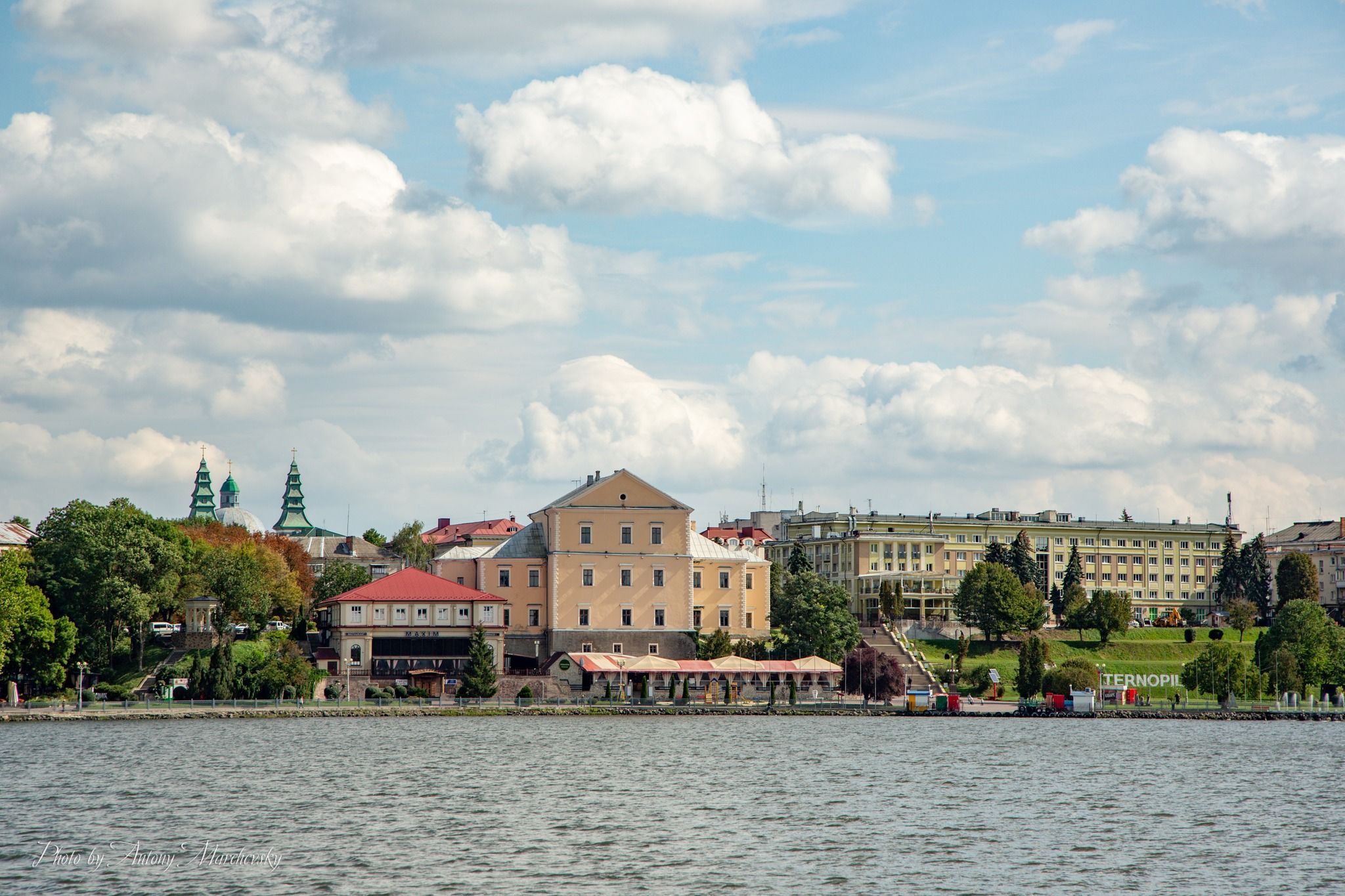
Therefore, in September 2023, the city council decided to move City Day to August 15. Prior to this, a survey was conducted among Ternopil residents. 58.2% of participants voted in favor of the change, while 41.8% opposed it. Starting in 2024, August 15 officially became the new date for Ternopil City Day.
The Origins of Ternopil
The history of modern Ternopil dates back to 1540. It was then that Polish King Sigismund I the Old granted Jan Amor Tarnowski, the Castellan of Kraków and Grand Crown Hetman, permission to found a city near the settlement of Sopilche. The new settlement was intended not only to become a city but also to serve an important defensive function. In the 16th century, these lands suffered from Tatar raids, so fortifications began to be built here. As early as 1544, Ternopil Castle was completed, becoming a vital part of the city’s defenses.

In 1548, Ternopil was granted the right to hold fairs and engage in trade. Later, the city was granted Magdeburg rights, which gave its residents greater opportunities for the development of trade and municipal self-government. Over time, Ternopil became an important trade center along the route connecting various regions. The city’s name also has an interesting history. Originally, it was called Tarnopol—derived from the surname of its founder, Tarnovsky, and the word “polis,” meaning “city.” Over time, the name evolved in Ukrainian usage to “Tarnopil,” and eventually the modern form—Ternopil—became established.
Why City Day Is Linked to the Assumption
The date of the celebration has not only an administrative but also a religious history. For many years, Ternopil City Day was celebrated on August 28, which, according to the old church calendar, marked the Assumption of the Blessed Virgin Mary. The Assumption is one of the most important Christian holidays. It also holds special significance for Ternopil, as it is linked to local religious traditions and the city’s church life.
After the transition to the New Julian calendar, the date of the Assumption shifted to August 15. City officials decided to preserve the traditional link between City Day and this holiday, but to move the city’s actual celebration to the new date. Thus, the change in date did not mean abandoning the old tradition. On the contrary, Ternopil chose to preserve it by adapting it to the new church calendar.
How City Day Is Celebrated in Ternopil
City Day is not just about official ceremonies. During this period, Ternopil typically hosts concerts, exhibitions, sports competitions, guided tours, fairs, and various events for children. In previous years, the festive program included free city tours, cultural events, sports tournaments, exhibitions, and charity concerts in support of the Armed Forces of Ukraine. Separate events were held to honor the defenders of Ukraine.
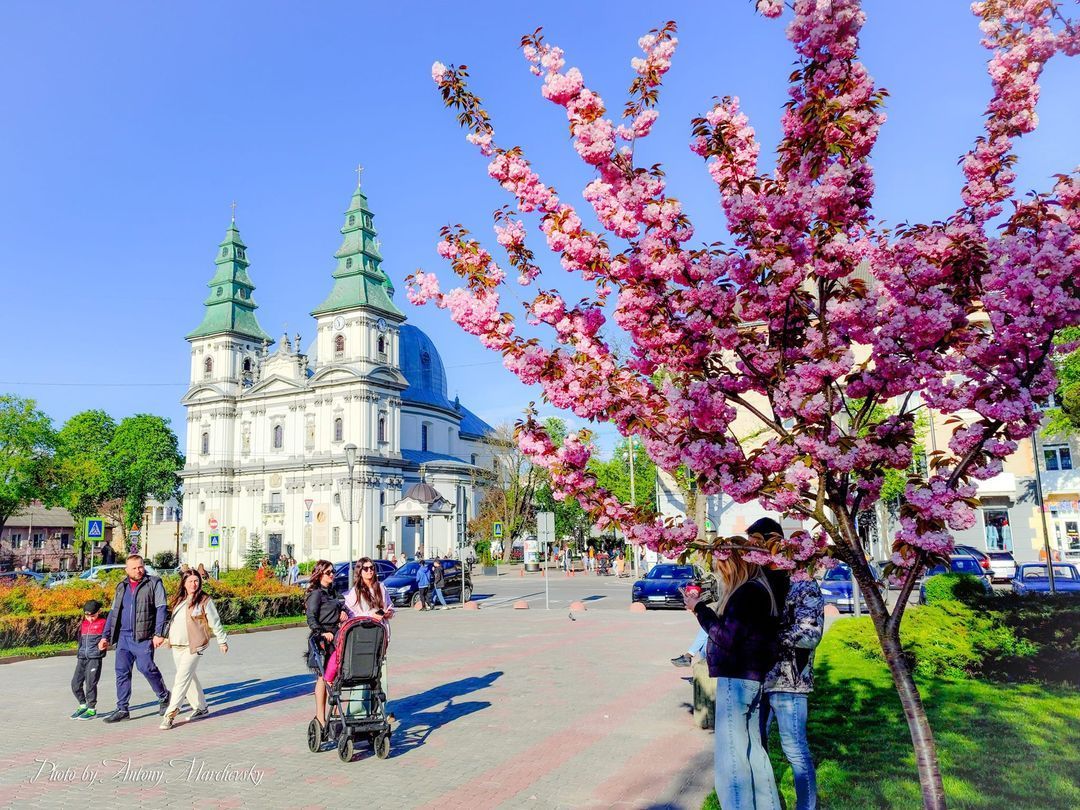
In 2026, the celebrations will also extend beyond a single day. A three-day festival has been scheduled to take place in Taras Shevchenko Park from August 14 to 16. Planned activities for guests include a fair featuring local producers, presentations of tourist routes, a food court, workshops, photo zones, and an evening concert program. Special attention will be given to family-friendly activities. For children, there will be creative workshops, sports activities, interactive stations, science-and-entertainment shows, and other entertainment. The festival will also include a charitable component—a fundraiser to support Ukrainian military personnel.
City Day in Vyshyvankas
One of Ternopil’s interesting modern traditions is the opportunity to ride public transportation for free while wearing a vyshyvanka. In 2026, city officials approved free transit on August 15 for residents and visitors who wear a vyshyvanka or other embroidered traditional clothing. The initiative applies to city buses and trolleybuses, as well as minibuses.

This tradition was established not just to create a festive atmosphere. City officials explain that it stems from a desire to support Ukrainian traditions, culture, and national identity. So on Ternopil City Day, you can see many people wearing vyshyvankas. For some, it’s a way to join in the festivities, while for others, it’s an opportunity to show their connection to Ukrainian culture.
Interesting Facts About Ternopil
Ternopil has several landmarks without which it’s hard to imagine the city. One of them is the Old Castle, considered the oldest building in Ternopil. It was once a defensive structure, and today it remains one of the city’s most famous landmarks. There is also a system of underground passages beneath the castle.
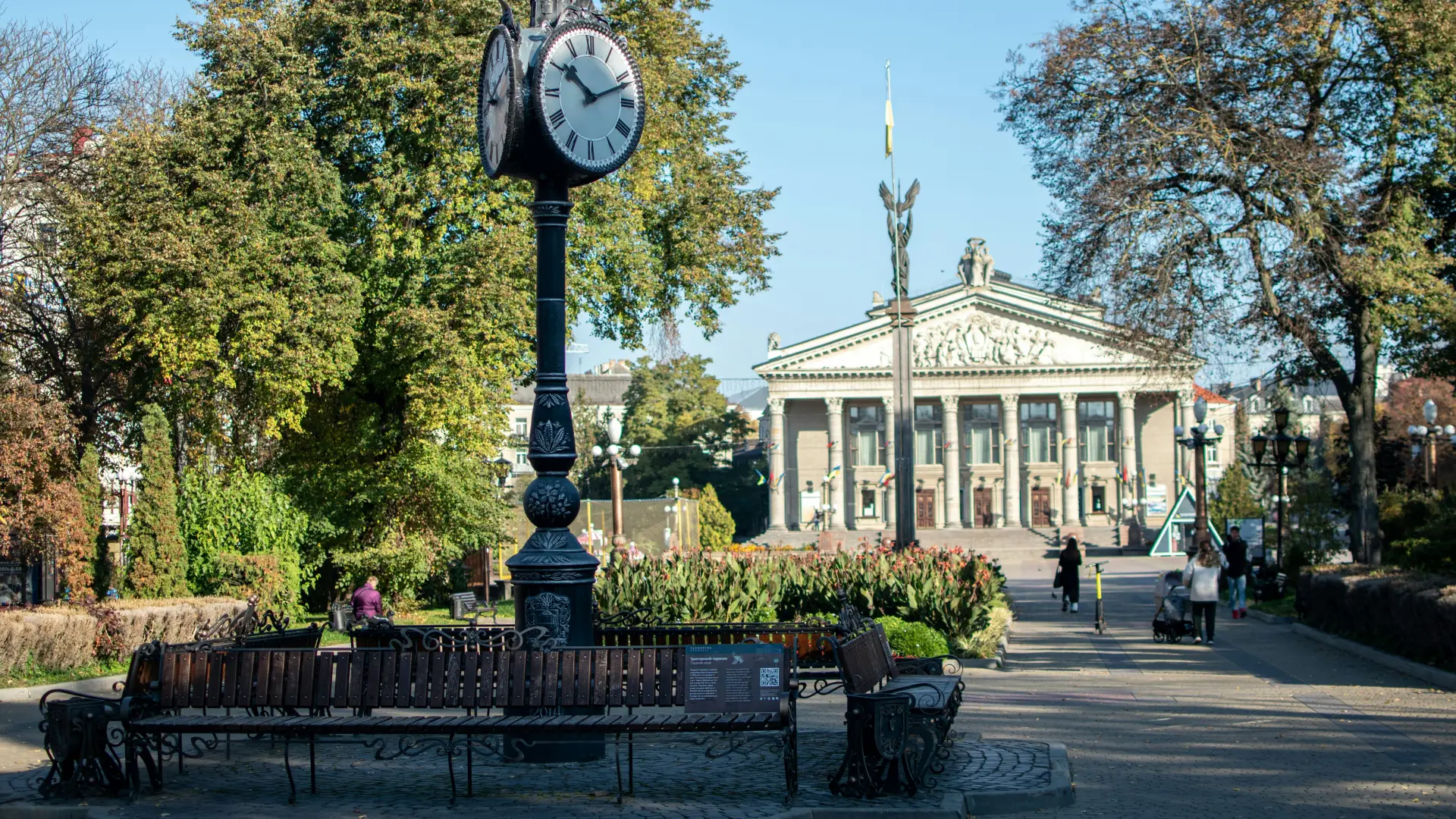
Another symbol of Ternopil is the Ternopil Pond. The body of water has effectively become part of the cityscape and one of the places most commonly associated with the city. Walking paths line the water’s edge, and the pond itself is an important part of life for Ternopil residents.

The history of Ternopil’s religious heritage is also fascinating. Over the centuries, the city has been home to people of various ethnicities and religious communities. That is why places of worship and structures representing different traditions have been preserved here. Among them are the Archcathedral of the Immaculate Conception of the Blessed Virgin Mary and the Church of the Nativity of Christ, one of the city’s oldest places of worship. Ternopil has also endured wars, changes in government, and severe destruction on more than one occasion. At various times, the city faced attacks by the Tatars and Turks, and endured World War I, World War II, and the Soviet era. Despite this, it was rebuilt each time and continued to develop.
City Day During the War
Today, Ternopil’s celebrations are taking place amid a full-scale war. Therefore, the city’s current events have not only an entertainment component but also a charitable one. Events supporting the Armed Forces of Ukraine, veteran-owned businesses, and social initiatives hold a special place in the City Day programs. In 2026, the organizers have also planned a charitable component as part of the festival.

Importantly, security measures are also in place during mass events in the city. In particular, informational signs indicating the nearest shelters must be available to visitors at festival venues. Relevant services are monitoring public order.
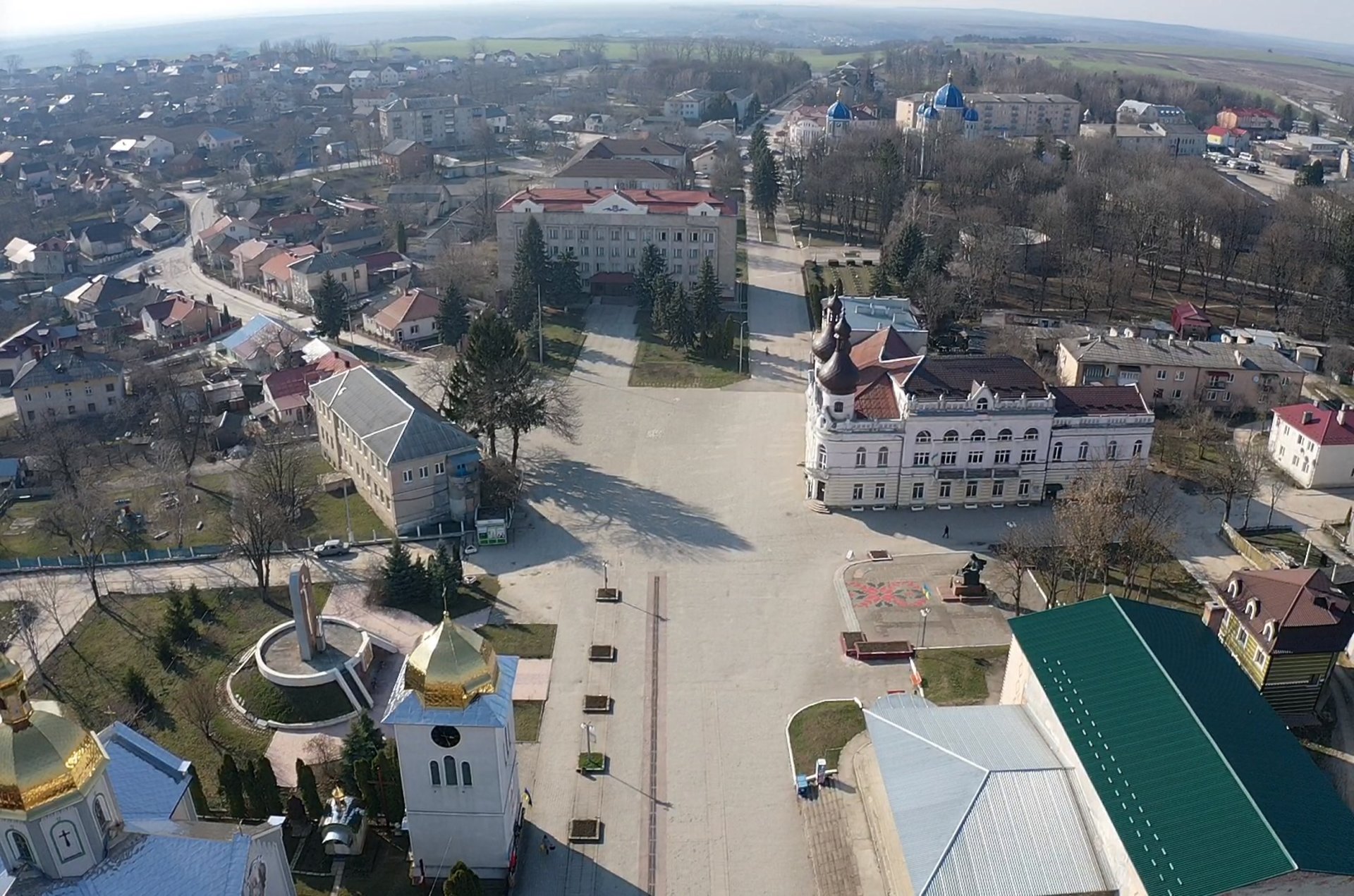
So, Ternopil City Day today is not just about concerts and entertainment. It is also an opportunity to reflect on the city’s history, thank those who defend it, support the Ukrainian army, and spend time with loved ones.


