
June 29 Holiday: Poltava Celebrates City Day on a New Date
Poltava now officially celebrates City Day on June 29, and this decision is tied to the first chronicle mention of the settlement. Previously, the city celebrated in September, but that date was linked to the Soviet era and the city’s liberation during World War II. The change in the date was the result of discussions among the community, historians, and the city council.
Poltava has officially switched to a new date for City Day—June 29—and this decision is part of a broader process of rethinking the city’s history and moving away from Soviet symbolic associations. This date is linked to the first written mention of the city, giving the holiday a more historical and profound context than the previous date in September.

Previously, Poltava Day was celebrated on September 23, a date linked to events of World War II, specifically the city’s liberation from Nazi occupation in 1943. However, in recent years, there has been a call within the community to change the symbolic date so that it reflects not a military event of the 20th century, but the city’s much older history.
How the Decision to Change the Date Was Made
Discussions began in 2023, when residents of Poltava initiated online surveys and petitions regarding the rescheduling of the celebration. Historians, local historians, and city council representatives were brought into the process to analyze various historical sources and dates related to the city’s development.
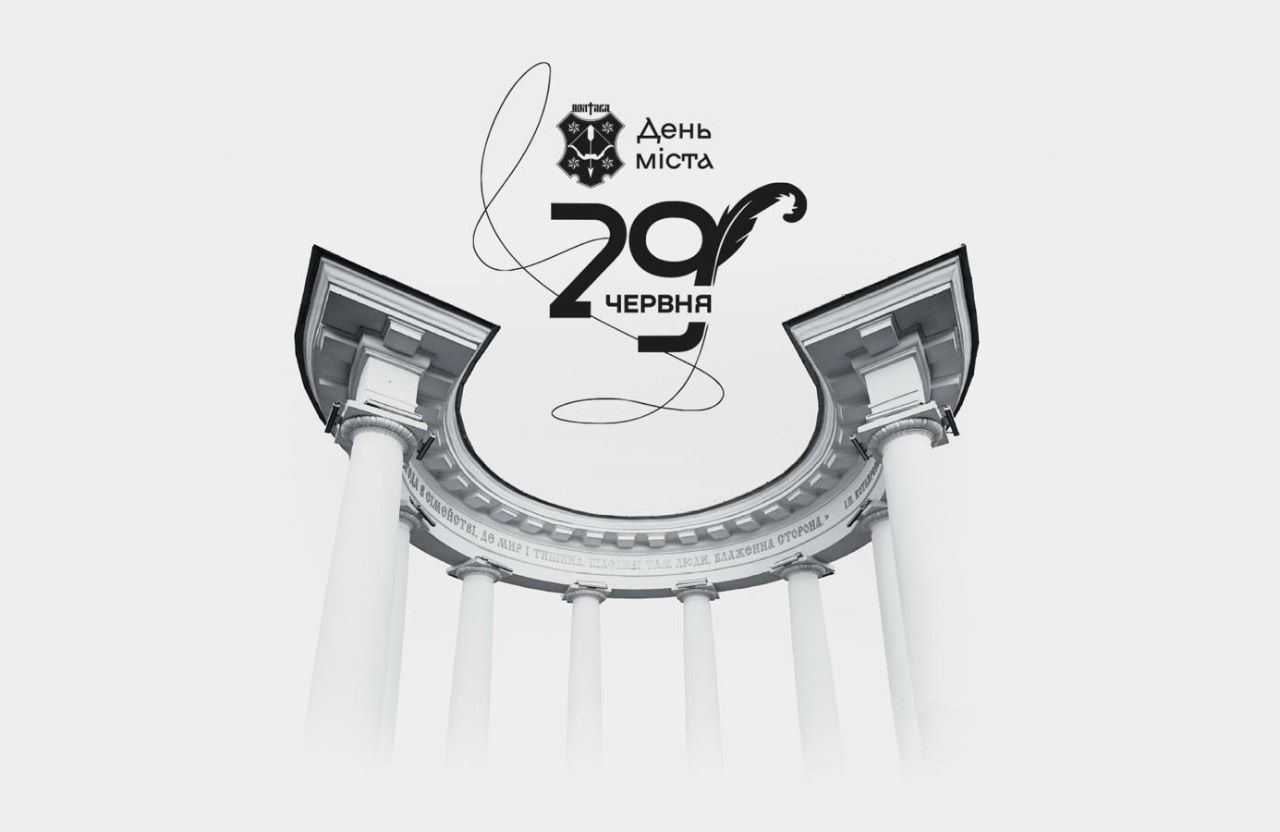
On April 24, 2024, the Poltava City Council’s Standing Committee on Cultural Development approved the new date—June 29. And on May 1, 2024, city council members officially approved this decision, establishing it as the permanent date for the annual celebration.
The Historical Origins of Poltava
The history of Poltava predates any official holiday dates by a considerable margin. Archaeological evidence indicates that people lived on the territory of the modern city as far back as the Scythian era, and later, settlements of the Slavic tribal confederation of the Severians formed here.

The first written mention of the name “Poltava” dates back to 1173 and is found in the Ipatiev Chronicle. The text describes the military campaign of Prince Igor Sviatoslavich, who crossed the Vorskla River near what was then known as Ltava—the city’s ancient name. Variants of the name, such as “Ltava” and “Oltava,” are also mentioned in various historical periods. By the 17th century, Poltava had already become an important economic center, particularly due to the extraction of saltpeter, which was used in the production of gunpowder. The city was associated with the Cossack movement and served as an important supply center during the National Liberation War led by Bohdan Khmelnytsky.
Poltava and Events in World History
The Battle of Poltava in 1709 holds a special place in the city’s history, as it was one of the key events of the Great Northern War between Sweden and the Tsardom of Moscow. Following the defeat of the Swedish army led by King Charles XII, the region took on a new political and strategic context within Europe.
The Holy Cross Monastery was also founded within the city limits, playing an important role in the region’s spiritual life. It was in the Poltava area that events unfolded which influenced the military campaigns of that time.
City Symbols
Poltava’s coat of arms has deep historical roots and derives from the city’s 18th-century municipal shield. It symbolizes Cossack traditions and the city’s historical continuity. In heraldry, the crimson color signifies dignity and piety. The golden bow and arrow symbolize a readiness to defend peaceful labor, while the four stars reflect the city’s openness to the world and its historical role in various areas of development.
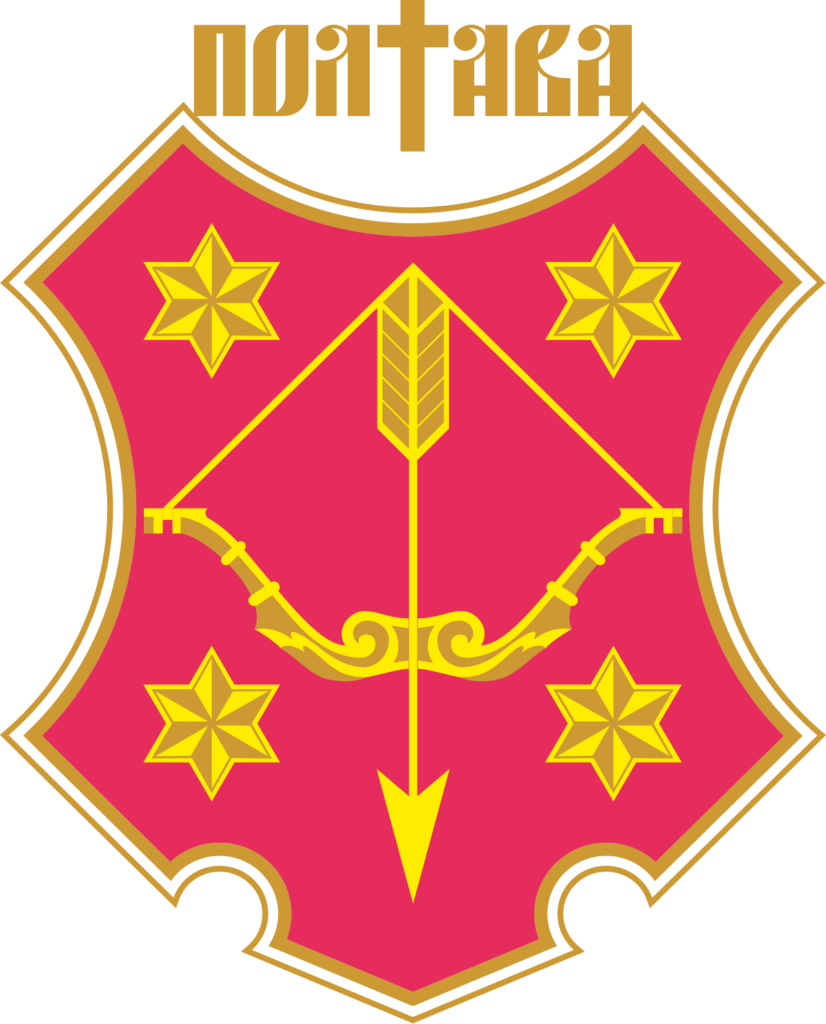
The modern version of the coat of arms currently in use is stylized and has sparked debate among heraldists, as it does not fully comply with the classical rules of heraldic design.
Modern Poltava
Today, Poltava is the administrative center of Poltava Oblast, which was established in 1937. The city covers an area of over 100 square kilometers and has a population of about 300,000 residents.

Poltava remains an important cultural, educational, and economic center of central Ukraine. The new City Day celebration on June 29 underscores the community’s desire to connect the present with its deep historical roots and to move away from Soviet symbolic dates, choosing instead a date that marks the city’s ancient history within a European context.


