
Holiday on October 7, 2026 — Serhiy Zymovyi: Traditions, Superstitions, and Things You Shouldn't Do
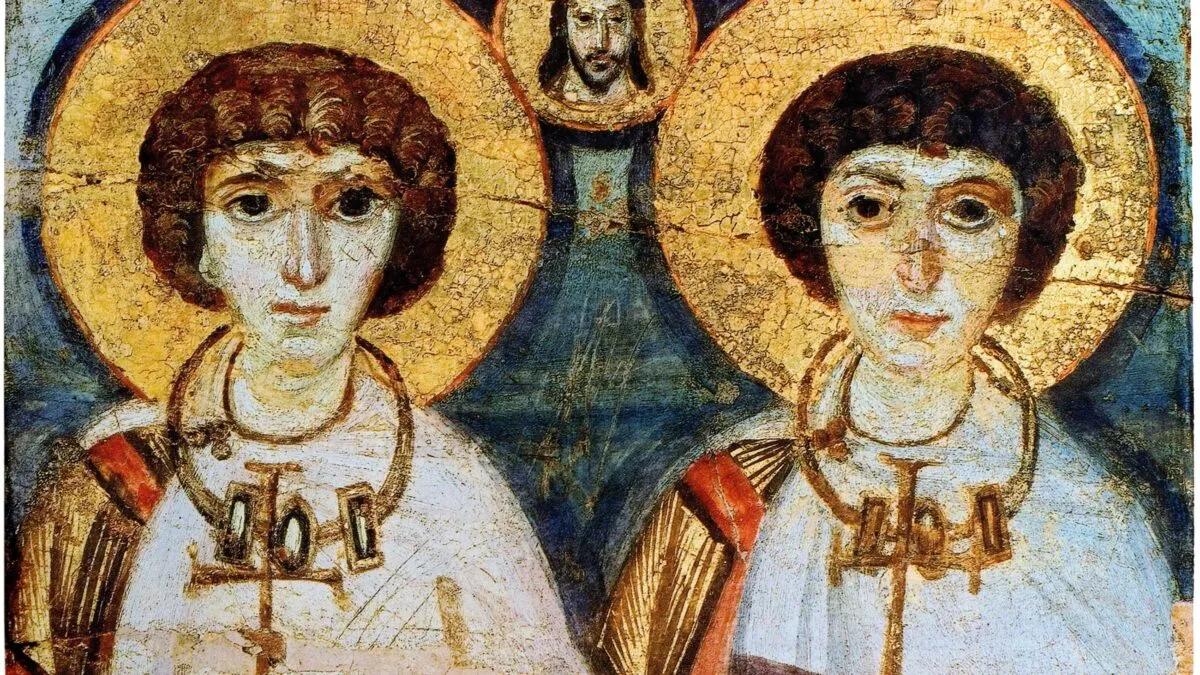
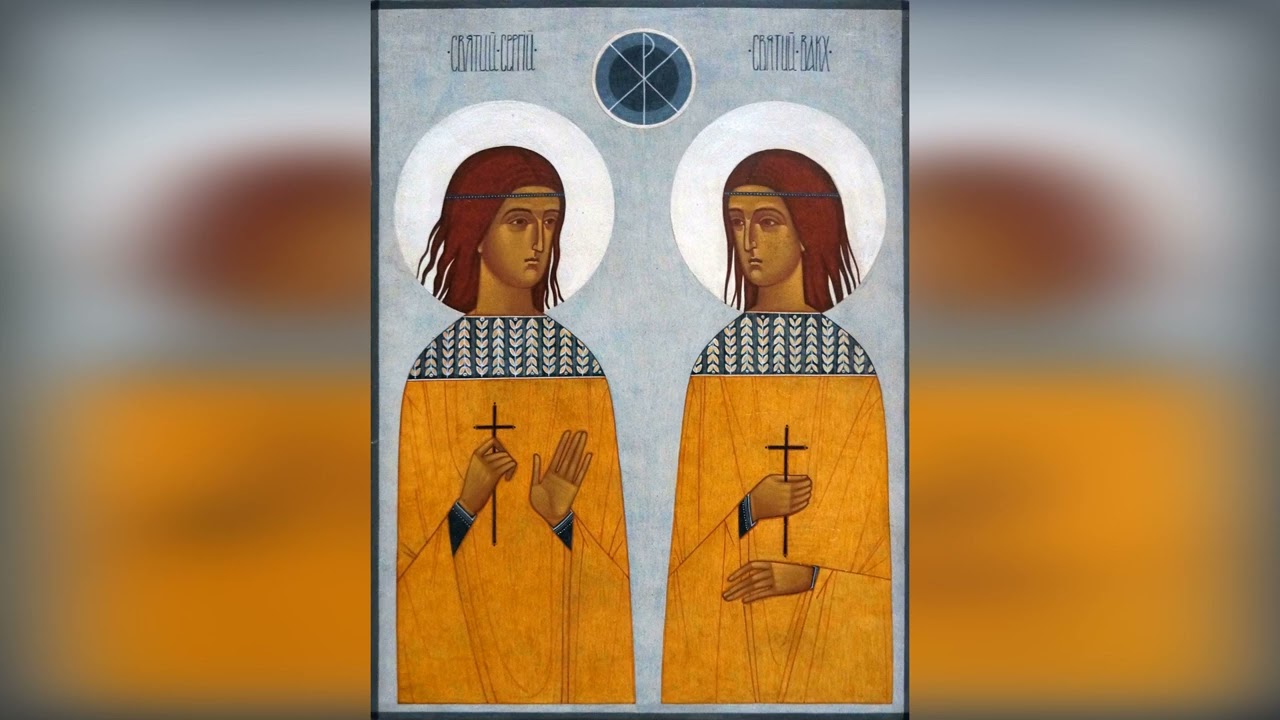
On October 7, 2026, according to the new calendar, Orthodox Christians commemorate the holy martyrs Sergius and Bacchus. In folk tradition, this day was called “Sergius the Winter,” because it was during this period that people awaited the first serious cold snap and prepared for winter. Many ancient customs, omens, and folk traditions associated with this date have been passed down from generation to generation.
According to the New Julian calendar, the day of remembrance for the martyrs Sergius and Bacchus falls on October 7. In 2026, this date falls on a Wednesday. On this day, the Orthodox Church also commemorates other saints, including the Venerable Sergius the Obedient of the Kiev Caves, the holy martyr Julian, and the martyr Pelagia of Tarsus. Before some Ukrainian churches adopted the new calendar, the commemoration of Sergius and Bacchus according to the Julian calendar fell on October 20. Therefore, this specific date can be found in older calendars and publications. Following the calendar reform by the OCU and the UGCC, the date shifted to October 7.
In church tradition, this is not merely an “autumn feast.” On this day, we commemorate those who, according to Christian tradition, died for their faith. The folk name “Serhiy Zymovyi” originated in everyday tradition and is associated primarily with seasonal changes.
Who Were Sergius and Bacchus?
Sergius and Bacchus lived during the Roman Empire, around the turn of the 3rd and 4th centuries. According to church tradition, they were soldiers who served at the imperial court. Both were Christians, but initially concealed their faith. When this became known, they were ordered to renounce Christianity and offer sacrifices to the pagan gods. Sergius and Bacchus refused, after which they were subjected to persecution and torture.

According to tradition, Bacchus died from beatings, while Sergius was executed after prolonged torture. It is precisely because of their martyrdom for the faith that the Church honors them as holy martyrs. Their memory has been enshrined in the church calendar and has been preserved to this day. At the same time, it is important to distinguish between the Church’s history of the saints and folk customs. The name “Serhiy Zymovyi” is not the name of a Church feast day. It is a folk name for the day that arose from seasonal observations and the traditions of peasant life.
Why Sergei Was Called “Winter”
For our ancestors, early October was a time when the weather could change in just a few days. Warm autumn days gradually gave way to cold nights, and in some regions, the first frosts were already expected. Therefore, October 7 was viewed by the people as a sort of dividing line between autumn and the coming winter.
They used to say, “Serhiy ushers in winter.” It was during this period that homeowners paid more attention to keeping their homes warm, stocking up on food, firewood, and clothing. People began to light their stoves more often in their homes. They also observed nature, trying to predict what kind of winter was coming. Another folk name for this day is Serhiy the Rye Farmer. It is associated with the completion of work on the rye: it was harvested, dried, and stored. People even used to say, “When Serhiy comes, put the rye away in the pantry.”
Traditions on October 7
In ancient times, this day was associated not only with prayers but also with preparing the household for the cold weather. People checked their supplies, prepared warm clothing, and gathered firewood. They paid special attention to their homes, as a long, cold season lay ahead.
In some regions, this day was considered the first important day of fall to thoroughly heat the house. There was a belief that warmth in the home would help people get through the winter without trouble. Such customs were closely tied to the daily lives of peasants, for whom preparing for the cold was a matter of survival.
People also paid attention to their clothing on this day. According to folk beliefs, women could wear a headscarf to prevent headaches and to ensure peace and prosperity in the family. Such beliefs have no official church status but have been preserved in descriptions of folk traditions.
In some regions, young women used sour milk to wash their faces on this day. It was believed that this practice would help preserve youth and beauty for longer. This is specifically a folk custom, not a church requirement.
Folk Omens for St. Sergius of Winter
On October 7, people closely observed the weather and nature. They paid particular attention to the trees, the sky, the wind, and the behavior of birds. In this way, they tried to predict how cold the winter would be. Here are some of the most well-known omens:
- If there were many acorns on the oak trees, people expected a mild winter and a good harvest the following year.
- If there was thunder on October 7, people believed that winter would be warm and with little snow.
- If an early frost set in, they expected the cold weather to arrive soon.
- If there were still plenty of leaves on the trees, they believed that severe frosts would not come anytime soon.
- If a north wind was blowing, people expected a cold winter.
- If birds were flying low—according to folk observations—cold weather was expected to arrive early.
- If snow fell at night, it was seen as a sign that winter was near.

Of course, these signs are part of folk culture, not a modern method of weather forecasting. Today, long-term forecasts are made using meteorological observations and modern models.
What People Were Advised Not to Do on This Day
In folk tradition, October 7 also had certain taboos. For example, people tried not to complain about life or lament their fate. It was believed that constant complaining could attract new problems. In some regions, women were advised not to knead dough or bake on this day. There was a belief that such work could bring misfortune or financial problems to the family. Another variation of this tradition was the belief that October 7 should be devoted to preparing for winter rather than baking.
Also, according to folk beliefs, people were advised not to leave the house wearing old clothes. It was believed that wearing at least one new item on this day symbolized renewal and protection from illness. Some sources also mention a prohibition against accepting gifts from strangers. These rules are not church commandments. They are simply folk beliefs that were once passed down within families along with other seasonal customs.
How St. Sergius’ Day Is Observed Today
Today, October 7, can first and foremost be observed as a day of remembrance for Saints Sergius and Bacchus. Believers can attend church services, pray, and commemorate the holy martyrs. For someone named Serhiy, this can also be a special day—their name day. It is equally important to remember that the Church does not require people to follow folk omens or superstitions. These can be viewed as part of Ukraine’s cultural heritage and the everyday life of our ancestors.
However, the practical tradition of preparing for the cold weather remains relevant today. It is precisely at the beginning of October that many people check their heating systems, take out warm clothes, and prepare their homes for the cold season. So the old folk saying “Serhiy brings winter” is still easy to understand today, even without believing in folk omens.




