
Five conscripts from the Carpathian region have died in the Skelya Regiment
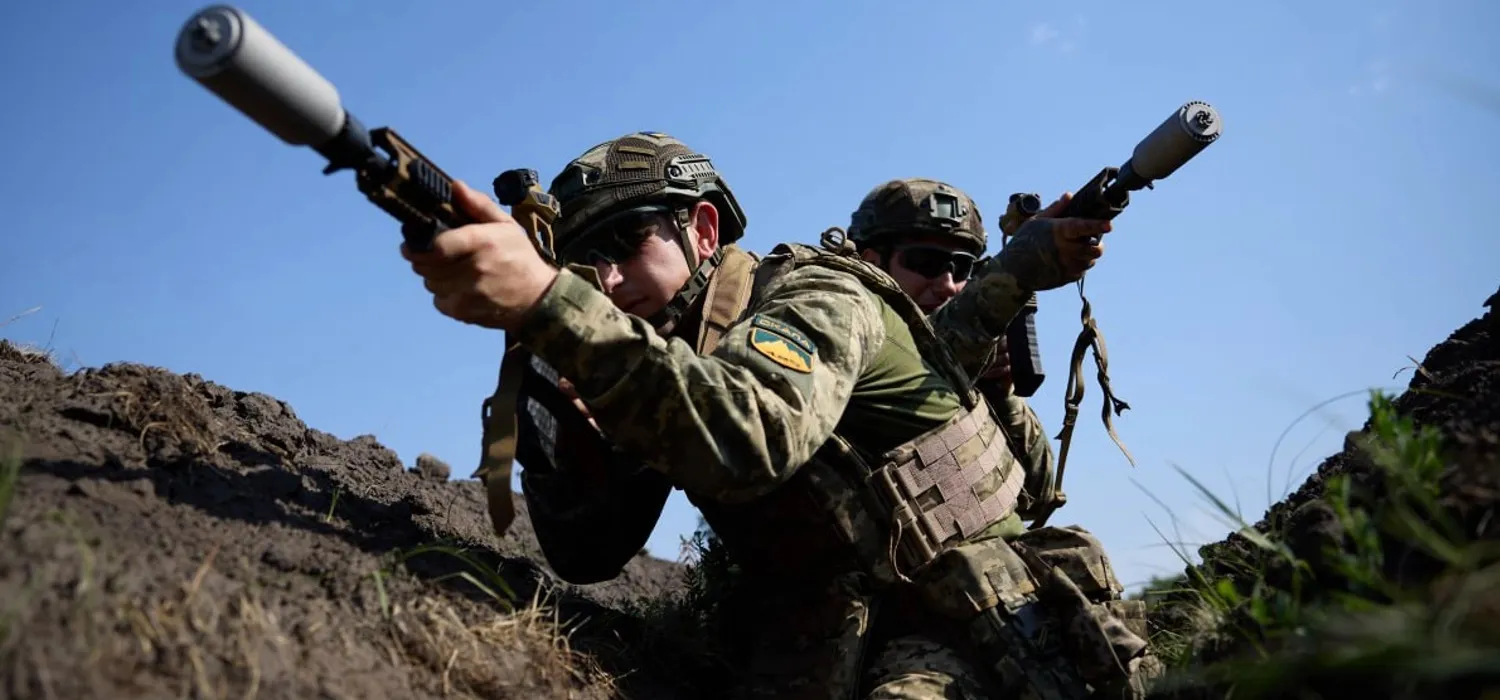
In March, at least five recruits from the 425th Separate Assault Regiment “Skelya” died less than two weeks after being mobilized. According to official data as of May 19, the causes of death were heart and lung diseases. The circumstances surrounding these cases sparked public outcry and discussions about the training conditions and health status of the mobilized soldiers.
Their relatives spoke about this to “Suspilne. Ivano-Frankivsk.”
The five men were residents of the Ivano-Frankivsk region: Vasyl Voychuk, Vasyl Tsyrko, Yaroslav Mokriy, Petro Danyltsiv, and Vitaliy Karat.
Vasyl Tsyrko was mobilized on February 24—he had no grounds for deferment. His sister, Tetiana Stefanuk, said that after that, her brother never got in touch, but a few days later they learned that he was in “Skelya” and that he was in poor condition after being beaten.
They sent him some belongings and a phone, which they later called, but another man answered and said that Tsyrko “would be in solitary confinement for two more days.” Two days later, the family received word that Vasyl had died six days earlier—that is, before the call.
The causes of death listed on the medical certificate are acute cardiovascular failure and atherosclerotic heart disease. A forensic medical expert also diagnosed fatty liver disease, broken ribs, bruises, abrasions, and contusions on the body.
Police in the Dnipropetrovsk region told reporters that Tsyrka’s death is being investigated as a homicide.
Yaroslav Mokriya was drafted at the end of February. His sister, Ulyana Kondratyeva, says he had lung problems. At first, he served with the Territorial Defense Forces, but one day, when he went on duty, his sister lost contact with him.
In early March, her brother called Ulyana’s husband on Viber from an unknown number, and during a brief conversation—as if someone were standing next to him—he told his relatives not to worry. On March 16, his sister learned that Yaroslav had died.
In the medical examiner’s report issued to the family, the cause of death was listed as chronic obstructive pulmonary disease. It was only upon receiving the death notice that her husband’s sister learned he had served in “Skelya.”
Vasyl Voychuk was taken away by TCC personnel in mid-March. In a conversation with his relatives, he said that he had passed a military medical examination and had been deemed fit for service. Later, a stranger called the man’s brother, telling him that Vasyl had been assigned to “Skelya” and asking for his brother’s bank details for payments.
At the same time, Vasyl himself was standing next to that man and seemed anxious to his brother. Soon after, relatives were informed that Vasyl had died of an illness. The medical certificate stated that death occurred in an ambulance due to acute cardiopulmonary failure, with the sub-item “left pleural empyema.”
But Vasyl’s brother, who came to collect his brother’s body, says that he had been beaten, and his skull was “displaced to the side from a blow from right to left.” However, the man’s brother did not file any complaints with law enforcement agencies demanding an investigation to establish the circumstances of the death.
Petro Danylytsiv of the “Skelya” regiment also died 36 days after mobilization. The military medical commission diagnosed him with symptomatic hypertension but deemed him fit for service.
The death certificate states that Danylytsiv died of atherosclerotic cardiosclerosis while en route to a medical facility in the Novoukrainsky District of the Kirovohrad Region. According to the medical examiner, the soldier’s death was caused by acute heart failure.
At the end of February, Vitaliy Karat was also sent to the “Rock.” At first, his family did not know where he was, but then he called and said that he had been assigned to this very regiment, even though he had not undergone a medical examination. During another conversation, he said that he had been beaten and was in the hospital.
When Vitaliy’s sister came to see him, he told her that he had been beaten constantly and then taken to the hospital. He later died.
The regiment refused to explain the causes of death of its conscripts, citing the Constitution, medical confidentiality, and restricted-access information.
The command of the Ukrainian Armed Forces Medical Corps also declined to answer questions about the circumstances and causes of the deaths of five servicemen, but stated that at the time of their deaths, there was a high incidence of acute respiratory viral infections (ARVI) in the country and within the military.
Meanwhile, the Ombudsman’s office reports that by April 2026, the Verkhovna Rada Commissioner for Human Rights had received 58 complaints regarding the “Skelya” regiment. They urged relatives of servicemen who suspect their loved ones may have died as a result of violence rather than combat operations to contact the Ministry of Defense.
On May 18, Ombudsman Dmytro Lubinets himself, during the opening of the Human Rights Protection Center in Lviv, told “Suspilne” that a separate investigation had been launched into “Skelya,” and that a closed-door meeting had been initiated with the regiment’s leadership and the General Staff.
As a reminder, the Defense Forces are repelling 34 assault operations by the aggressor in the Pokrovsk direction.
The Defense Forces also struck enemy air defense systems and radar stations in the Donetsk and Bryansk regions.


