

Following the outbreak of the hantavirus on the cruise ship MV Hondius and the deaths of passengers, concerns about the risk of a new epidemic have been raised around the world. In an interview with UA.News, Taras Zhyravetskyi, chief physician at the Biokurs Medical Center and medical advisor to the mayor of Lviv, discussed how dangerous this virus is, whether it spreads between people, and whether new lockdowns are possible. Below are his direct comments.
How dangerous is the hantavirus?
The virus was well known even before this, especially in regions of North and South America. People rarely contracted it, mainly through contact with the excrement of rats or other rodents. In general, this somewhat resembles the situation with the coronavirus, which also existed before the global pandemic.
Again, the hantavirus outbreak occurred on a cruise ship that had been at sea for a long time, where crew members and several passengers became infected. The virus’s symptoms are similar to the flu: high fever and possible complications, including cytokine storm and lung damage.
This is in many ways reminiscent of the course of COVID-19. Additionally, the virus can lead to kidney damage and failure. In such cases, 30–40% of patients require dialysis, that is, a procedure for artificial blood purification.
In general, there are two main points: severe lung damage, as with the coronavirus, and possible damage to the nervous system. This is the basic information about this virus.
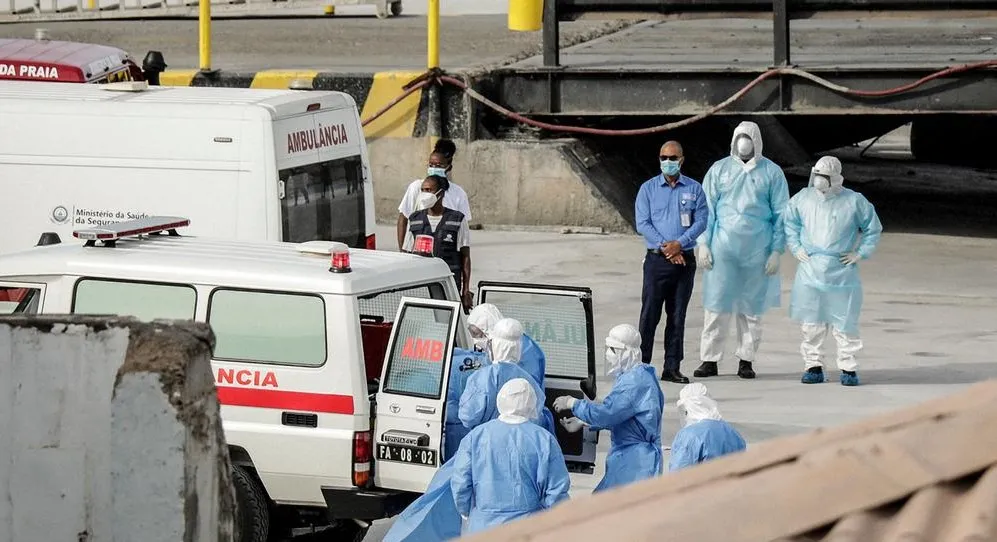
The situation escalated after three passengers died. This triggered a wave of media coverage and prompted the World Health Organization to intervene, with representatives arriving in Tenerife promptly.
There were citizens of 23 countries on the cruise ship. Passengers are currently being actively evacuated. Each country wants to independently ensure isolation and quarantine for its citizens. This is because it is still unknown how long the virus can remain in the body or retain its ability to spread.
But I would note that if the virus were transmitted only from rats or other rodents, it is unlikely that so many people could have become infected.
Hantavirus Vaccine and Quarantine
Several countries have already announced the development of a vaccine, and this will most likely happen. However, the question remains: on whom will it be tested? Its effectiveness and safety must be evaluated.
Another question: how many such vaccines might there be? Remember, during the coronavirus pandemic, there were British, American, Chinese, and Russian vaccines—each country sought to create its own version.
Another point is that the vaccine will be “new” and, essentially, untested. After all, on whom will this vaccine be tested? They certainly won’t have had time to test it on people yet.
We can probably expect the vaccine in a few months, six months, or even a year. Then it will take some time to vaccinate the populations of countries that have had contact with infected individuals, and then the majority of countries worldwide.
Will there be quarantines? There probably will be if the virus starts spreading. No one is talking about that yet.
Are Ukrainian hospitals ready?
Ukrainian hospitals are generally well-prepared, as they have already weathered the largest waves of the coronavirus. In Ukraine, there is funding for facilities that specialize in treating coronavirus complications. They are still operating. Overall, it won’t be critically difficult for Ukrainian doctors to handle this situation. The main thing is to avoid panic and the emergence of unclear protocols of unknown origin that could confuse doctors.
The main focus will be on treating cytokine storm (an immune system reaction in which it begins to attack the body’s own cells instead of fighting the infection) or kidney damage. If kidney failure does occur, it will be necessary to provide hospitals with a sufficient number of dialysis machines for inpatient care.
The main focus will be on treating complications, as was done in the case of coronavirus infection. The disease may be named “hantavirus”: “hantavirus” refers to the virus itself, while the disease may have a corresponding name.
In my opinion, Ukraine is even better prepared for a potential epidemic, since we have more specialized hospitals capable of admitting such patients. In Europe, for example, there are fewer such specialized facilities. They will likely be forced to set up temporary clinics, for example, in exhibition centers, as has already been done in London and some other cities.
How to stay safe while traveling
Travelers must carry fever-reducing medication with them. At the very least, this will help.
Therefore, your first-aid kit should include nonsteroidal anti-inflammatory drugs (NSAIDs) such as “Ibuprofen,” “Paracetamol,” or “Nimesil.” It is advisable to bring antibacterial medications, at least in tablet form. For example, "Azithromycin" or other medications that can help with bacterial complications.
Remember that on the third or fourth day of illness, you should have a blood test for C-reactive protein to determine whether a bacterial infection has developed and whether antibiotics are necessary. It is also worth checking D-dimer levels to assess the risk of thrombosis.
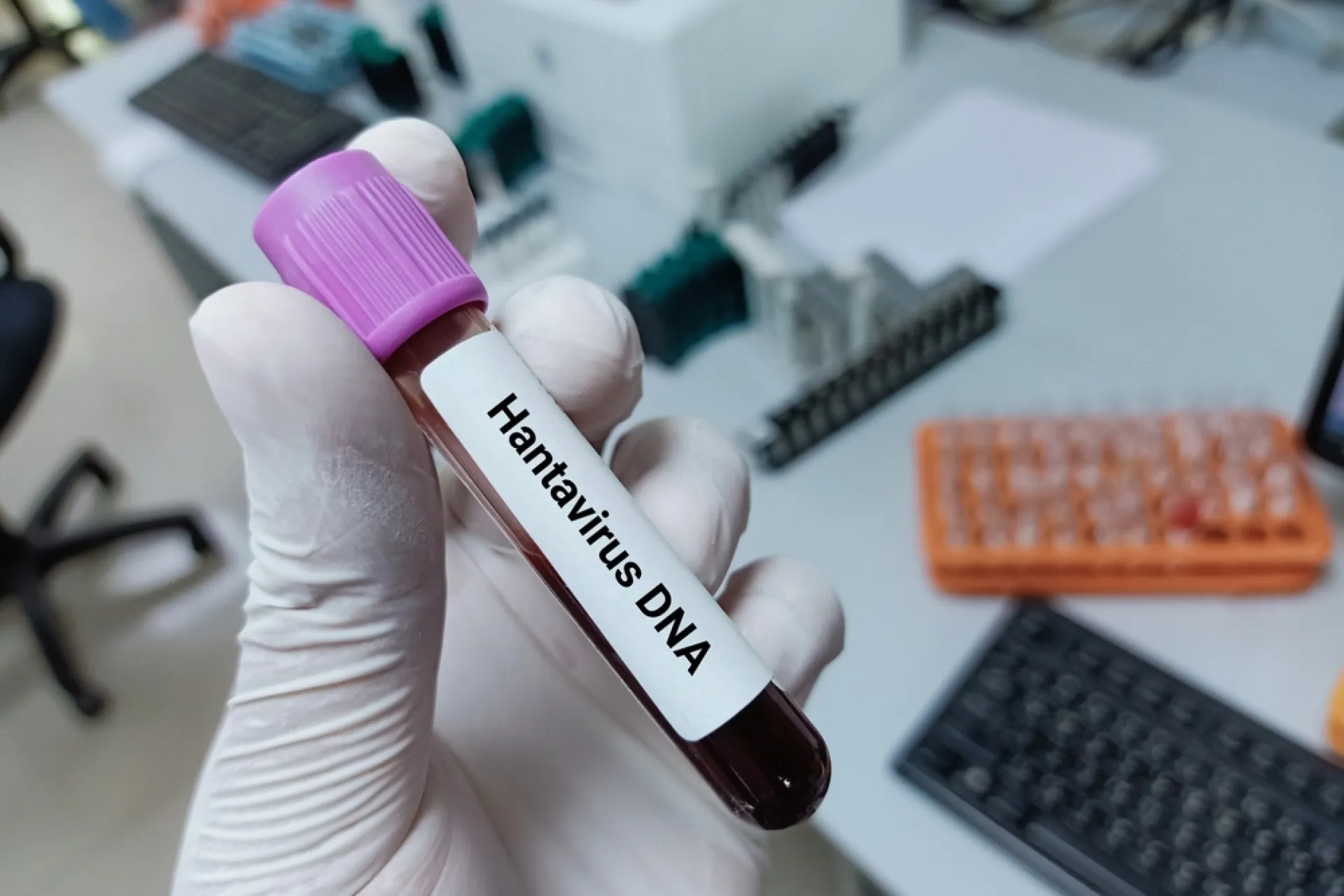
As you know, there are currently no tests available to detect hantavirus. These tests are mostly conducted centrally in the major capitals of developed countries. At present, such tests are not yet available in laboratories, even private ones.
The coronavirus hasn’t gone anywhere either
The coronavirus hasn’t gone anywhere—it continues to circulate, and people are still getting sick. What has changed? Those who have already had the virus at least once have developed immunity to severe COVID-19, so they do not experience a cytokine storm again. That is why hospitals were not overwhelmed with patients during the second and third waves of COVID-19. In most cases, people were treated at home.
Truth and Myths About the Hantavirus
We have no immunity to the hantavirus. Therefore, of course, any country could be hit. A rather severe blow. That is why we need to prepare for this. But I emphasize that this virus is not currently spreading in our country. Information about “a bunch of cases” in Ukraine is simply fake news.




