
Ukraine has strengthened its position in the EU organic berry market
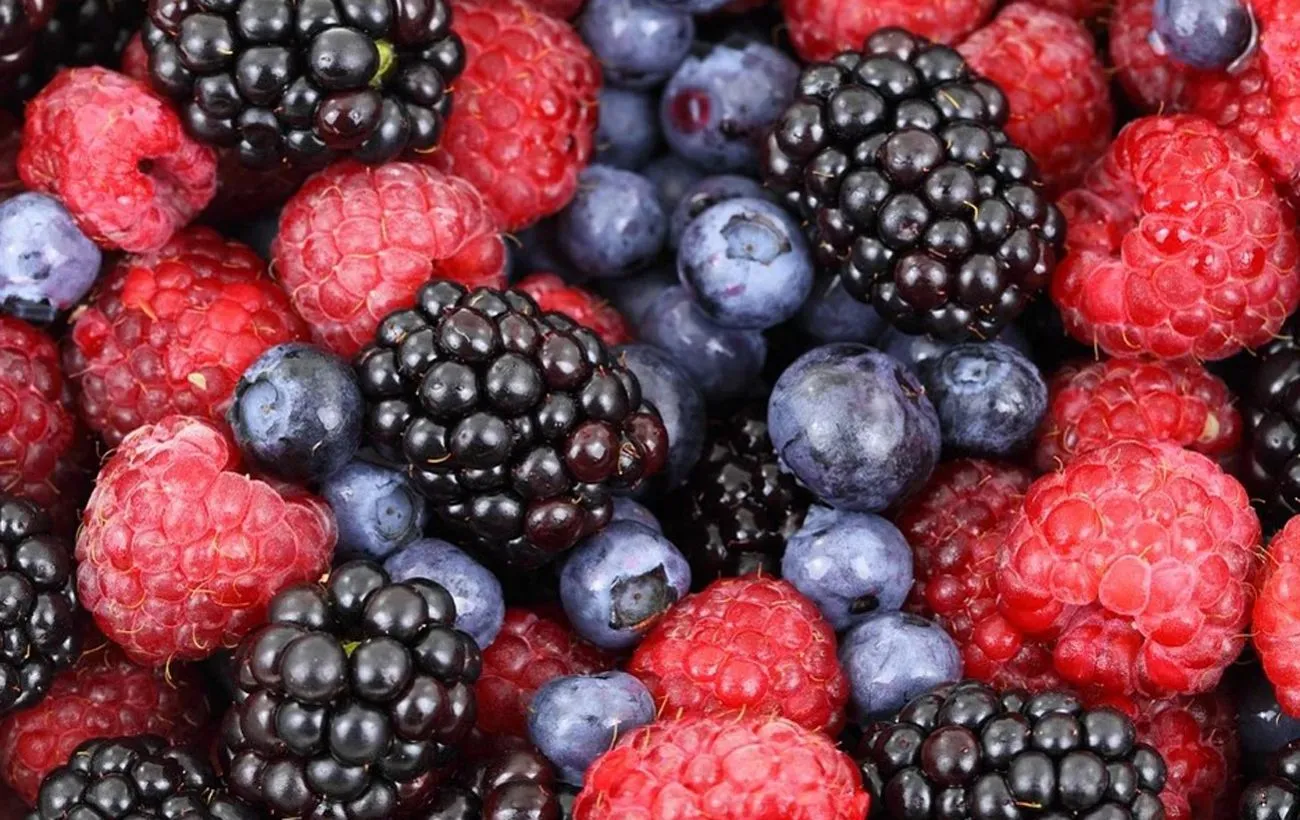
Ukraine remains one of the key suppliers of organic berries to the European Union, and wild-grown berries are in the highest demand among European importers.
In 2025, Ukrainian producers exported 15.4 thousand metric tons of organic berries with a total value of 39.8 million euros.
Traditionally, the main items exported were:
- raspberries;
- strawberries;
- wild blueberries;
- elderberries;
- cranberries;
- lingonberries, and other wild berries.
According to the study, Ukraine accounts for over 95% of organic blueberry imports to the European Union from third countries, effectively remaining its main supplier.
Over the past year, the following were exported to EU countries:
- 6.8 thousand metric tons of blueberries;
- 2.6 thousand metric tons of elderberries;
- 2.2 thousand metric tons of raspberries;
- 1,400 metric tons of strawberries;
- 640 metric tons of cherries.
At the same time, export volumes for most cultivated berries declined, with the sole exception of blueberries, whose shipments continued to grow.
Exports of wild organic berries are growing particularly rapidly.
Specifically, in 2025:
- elderberry exports more than tripled—to 2,600 metric tons;
- shipments of cranberries, lingonberries, blackthorn, sea buckthorn, and cherries increased.
In total, Ukraine exported 11.8 thousand metric tons of wild-grown organic berries worth 27.1 million euros.
Despite a slight decrease in the physical volume of exports, their value increased due to higher prices and a greater share of high-value-added products.
The vast majority of Ukrainian organic berries are exported in frozen form.
In addition, blueberries, elderberries, raspberries, and strawberries are also supplied in dried and freeze-dried forms.
These products are used in the production of:
- teas;
- concentrates;
- food supplements;
- functional foods.
This allows manufacturers to achieve higher added value and improve the profitability of their exports.
The main buyers of Ukrainian organic berries remain Poland, Germany, Austria, Italy, the Czech Republic, Belgium, and France.
The area of organic berry farms in Ukraine decreased from 1,704 to 1,615 hectares, but the number of producers remained at 120 farms.
At the same time, the number of exporting companies has increased from 31 to 35.
Meanwhile, the acreage devoted to raspberries and blueberries continues to increase, while strawberry and cherry plantings are shrinking due to lower economic efficiency.
Organic walnuts remain a particularly promising export segment.
Ukraine, together with Moldova, is one of the largest suppliers of this product to the European Union.
The main importers are the Netherlands, Romania, Austria, France, Germany, and Italy.
At the same time, the bulk of Ukrainian exports consists of raw materials, which European companies subsequently package or process under their own brands.
This was reported by UkrAgroConsult, citing a study by the certification body “Organic Standard.”
As a reminder, prices for popular vegetables have changed in Ukraine. As of July 8, cucumbers saw the sharpest price increase, while tomatoes, on the contrary, became cheaper. The cost of the main vegetables used in borscht remains virtually unchanged, while the seasonal harvest is gradually affecting market prices.
Young Ukrainian potatoes continue to get cheaper. In just over a week, their average price has halved—from 30 to 15 hryvnias per kilogram.
In early July, prices for seasonal fruits and berries changed in Ukraine. Strawberries and cherries saw the biggest price increases over the past week, while apples, bananas, oranges, and lemons are selling for nearly the same prices.


