
In Ukraine, more than 68,000 elevators have already exceeded their service life
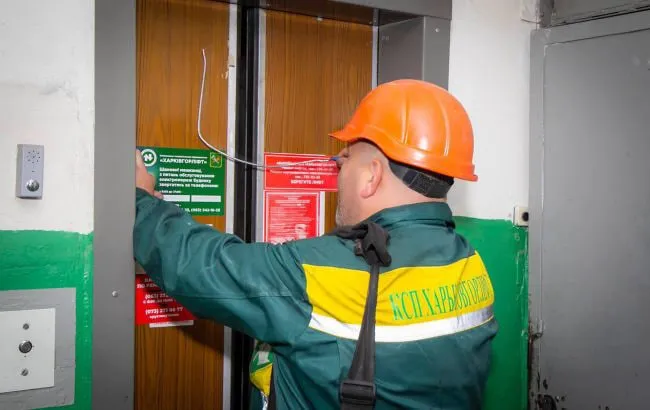
In Ukraine, a significant portion of the elevator equipment in apartment buildings is critically outdated. More than 68,000 elevators have already exceeded their service life limit of 25 years. At the same time, about a quarter of them have been in operation for over 40 years. It will take approximately 140 billion hryvnias to modernize this outdated elevator fleet in Ukraine.
“If we take the estimated cost of replacing a single elevator, including installation—about 2 million hryvnias—and multiply it by 68,000 outdated elevators, the investment required comes to approximately 130–140 billion hryvnias,” noted Ihor Tkachenko.
According to him, this amount is comparable to the scale of pre-war road construction programs.
Citing the latest data from the State Statistics Service, he added that there are approximately 90,000 elevators in operation in Ukraine. Of these:
more than 68,000 have been in operation for 25 years or more;
20,000 have been in operation for over 40 years.
Where is the situation worst?
The renewal of the elevator fleet is lagging behind the rate of aging. According to Tkachenko, every year more elevators cross the 25-year threshold than can be replaced. Kyiv, for example, replaces about 500 elevators per year. In Odesa and Dnipro, more funds are allocated to routine repairs than to replacements.
The most critical situation in the elevator sector is in buildings that are 35–40 years old, built during the Soviet era. In Kyiv, this particularly applies to the central districts of Podil and Shevchenkivskyi. There, you’ll find very old and cramped elevators in four-story buildings.
Who Pays
There is no separate national program for elevator replacement in Ukraine. Tkachenko says that the Elevator Operators Association has been trying for years to bring this idea to the attention of the authorities, but right now it is “definitely not a priority.”
Instead, there are municipal co-financing programs for homeowners’ associations:
under a 70/30 scheme: the city covers 70% of the cost, and residents cover 30%;
in Kyiv, there is a more favorable 95/5 option, where co-owners pay only 5%.
In addition, a state compensation program has been in place for two years for buyers of domestically manufactured elevators from the approved list. They can receive 15% of the cost, excluding VAT. To qualify, the product must have a localization rate of at least 40%; for “Euroformat,” the rate is 62%.
Risks and Prospects
According to Tkachenko, the accident rate for elevators is rising every year. If the approach to replacing them does not change, the number of accidents will continue to rise, he warns.
At the same time, in his opinion, demand for elevators is expected to rise significantly after the war. Under European standards, an elevator is mandatory in new construction starting at four stories, whereas under Soviet standards, it is required starting at nine stories.
Furthermore, in addition to replacing outdated elevators, buildings that were not previously subject to this requirement will need to be retrofitted. Demand is also expected to be driven by new construction as part of reconstruction efforts.
Igor Tkachenko, CEO of the “Euroformat Lifts” group of companies, spoke to RBC-Ukraine in an interview about the cost of elevator replacements, the risk of increased accident rates, and existing co-financing programs for residents.
An elevator broke down at the Gulliver shopping center in Kyiv; a man was injured (updated).
Elevators in Ukraine may start falling: equipment wear and tear has reached a critical level.




