
Church Holiday on October 3 — Feast of Dionysius the Areopagite
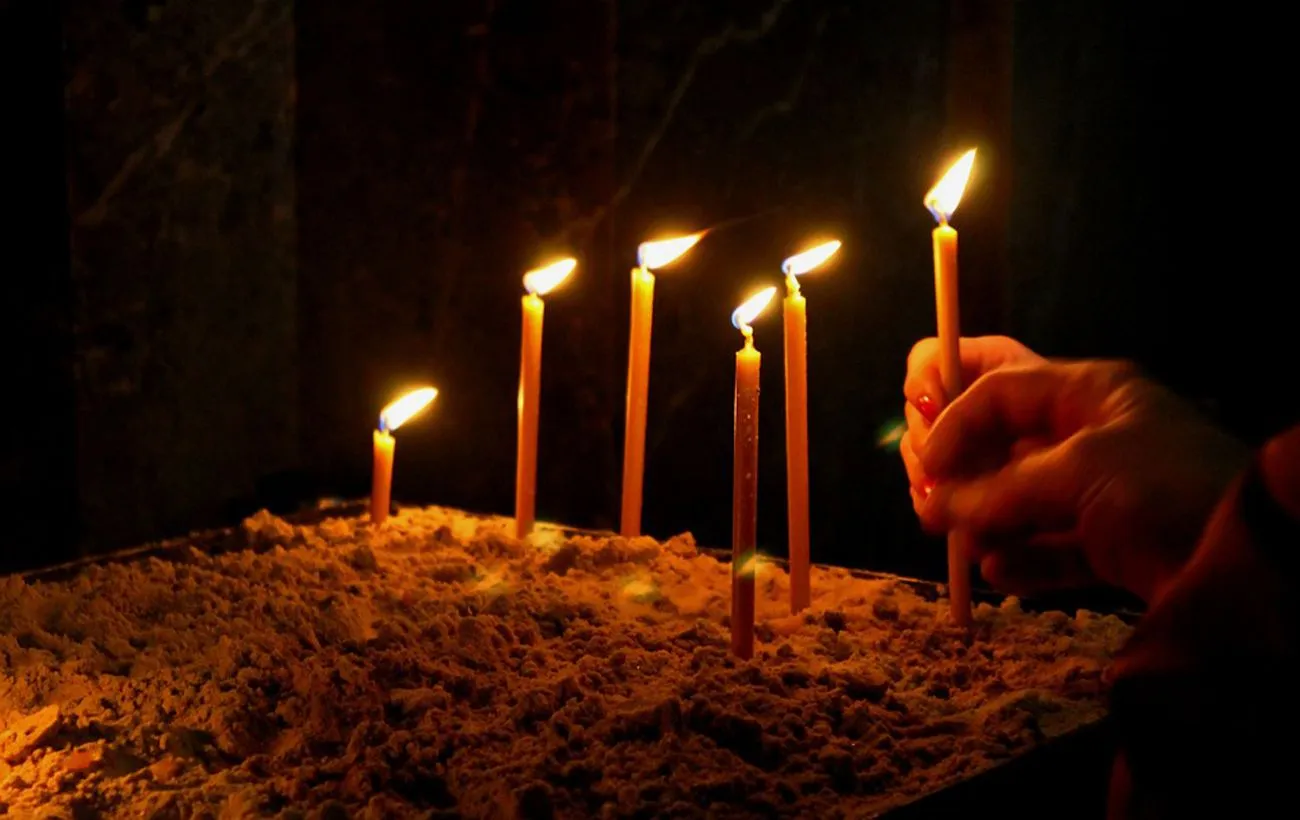
On October 3, 2026, Orthodox Christians commemorate the holy martyr Dionysius the Areopagite, Bishop of Athens. The church calendar also commemorates on this day the martyrs Rusticus and Eleutherius, the Venerable John the Hosevite, and other saints.
In folk tradition, this day was known as Denis the Wise or Denis the Autumnal. This date was associated with the onset of a noticeable autumn chill and nature’s preparation for winter.
Dionysius the Areopagite lived in Athens in the first century. He came from a wealthy family and received a good education for his time. Dionysius was a member of the Areopagus—an important council and court in ancient Athens. It is from the name of this place that his nickname “Areopagite” derives.
According to church tradition, Dionysius studied in Egypt. There he witnessed an unusual solar eclipse during the crucifixion of Jesus Christ. Later, upon returning to Athens, he heard a sermon by the Apostle Paul. Dionysius converted to Christianity and became one of the first known Athenians to believe in Christ. The Book of Acts mentions that after Paul’s sermon in Athens, Dionysius was among those who believed.
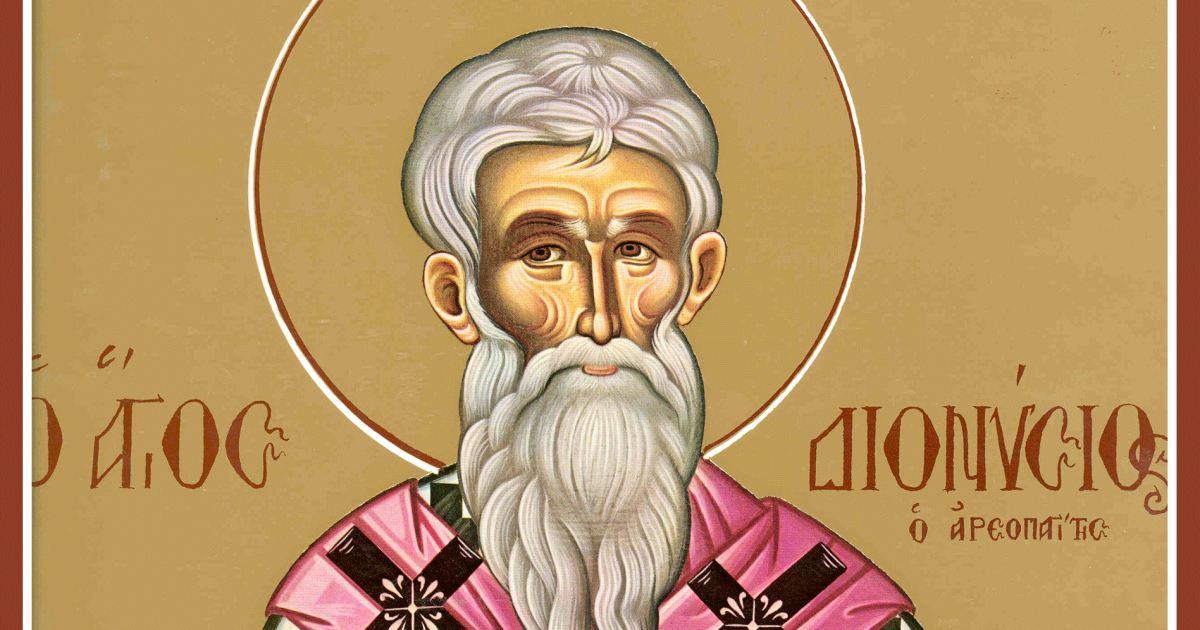
According to church tradition, the Apostle Paul appointed Dionysius as bishop of Athens. He dedicated his life to preaching Christianity and serving others. Dionysius later died a martyr’s death. However, various church sources describe the final years of his life differently. Some accounts speak of a martyr’s death in Athens, while others mention a mission to Gaul and a death in the Paris area. Therefore, these details belong specifically to church tradition rather than to historically verified events.
The name Dionysius the Areopagite is also associated with well-known theological works, including *On the Divine Names*, *On the Celestial Hierarchy*, and *On Mystical Theology*. These works had a profound influence on the further development of the Christian mystical tradition.
Who Else Is Commemorated on October 3
On this day, the Church also honors the martyrs Rusticus, a presbyter, and Eleutherius, a deacon. They are traditionally commemorated together with Dionysius the Areopagite.
October 3 also marks the commemoration of the Venerable John the Hosevite, Bishop of Caesarea in Palestine, and other saints. The Venerable Dionysius, the hermit of the Kiev-Pechersk Lavra, is commemorated separately.
Folk Names for the Day
In the folk calendar, October 3 was called Denis the Wise or Denis the Wintery. This name was associated with the approaching cold weather. People paid attention to the wind, fog, the behavior of birds, and the weather, trying to predict from these signs what the fall and early winter would be like.
Among folk beliefs was the notion that on this day, one should guard against colds and sudden changes in the weather. To protect against the evil eye and illness, people would eat onions or garlic with salt.
Superstitions for October 3
According to folk observations, people paid attention to the weather on October 3:
- if the day is clear and warm, fall may remain dry and fair;
- a strong north wind foreshadowed a rapid drop in temperature;
- a southerly wind was considered a sign of a long, warm fall;
- if there was a lot of fog in the morning, severe cold was not expected anytime soon;
- plenty of spiderwebs in the air were associated with a relatively late arrival of winter;
- Birds flying low were considered a sign of an early cold snap;
- the departure of the cranes was seen as a sign that winter weather was approaching.
These signs are part of folk tradition. They are not part of Orthodox church doctrine.
What People Were Advised Not to Do on October 3
According to folk beliefs, it was not advisable to leave windows open for long periods on this day. It was believed that illness could enter the home along with the cold air. People also believed that one should not pick up money found on the street. It was not advisable to refuse to help loved ones if they asked for it. Some folk traditions also advised against cutting one’s hair on this day or walking past someone in need of support.
It is important to note that these prohibitions are specifically folk beliefs. The Church does not establish any specific rules for October 3 regarding haircuts, opening windows, or found money.




