
Pregnancy is a time when a woman has to navigate a large number of medical guidelines for the first time: where to receive prenatal care, what tests to take, how to choose a maternity hospital, which services are covered by the government, and what to do if a medical facility asks her to pay.
During a full-scale war, new challenges were added to this. Pregnant women became internally displaced persons, moved to unfamiliar cities, and lost their jobs or their partners’ support. Healthcare facilities in certain regions faced an increased workload, and in frontline areas, the destruction of hospitals and transportation infrastructure compounded the usual challenges.
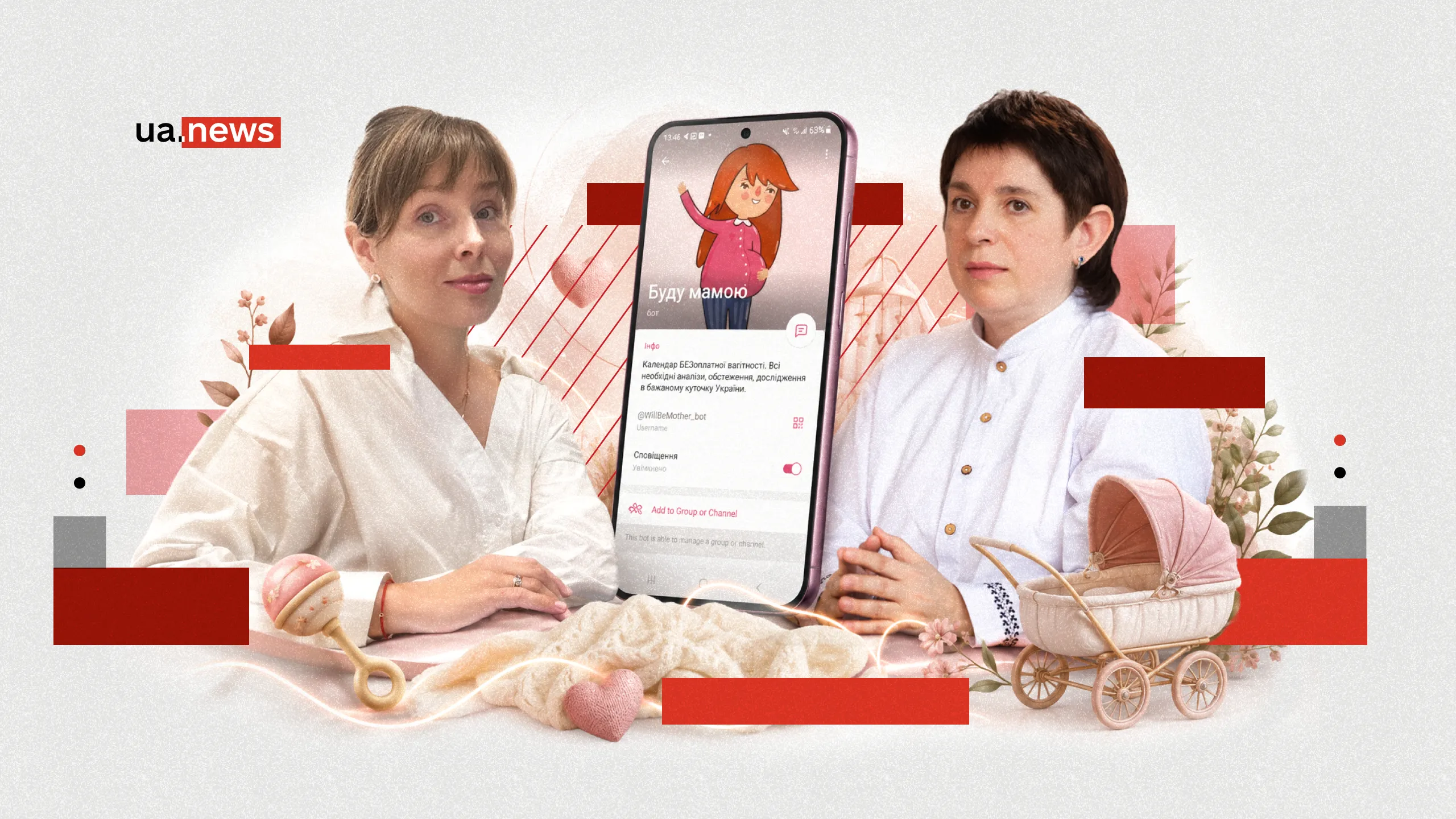
It was under these conditions that the “280 Days” Charitable Foundation and the NGO “Guardians of the Healthcare System”—formerly known as “Liky Control”—created the “I’m Going to Be a Mom” chatbot. Its purpose is to explain in simple language to pregnant women what services they can receive for free, what examinations are required by standards, how to find a medical facility, and what to do if their rights are violated.
UA.News spoke with Natalia Guran, chair of the “Guardians of the Medical System” NGO, and Yulia Ridchenko, director of development at the “280 Days” Charitable Foundation, about how the chatbot came to be, what challenges pregnant Ukrainian women face, and what the maternity support system lacks most today.
How the War Changed the Work of the “280 Days” Charitable Foundation
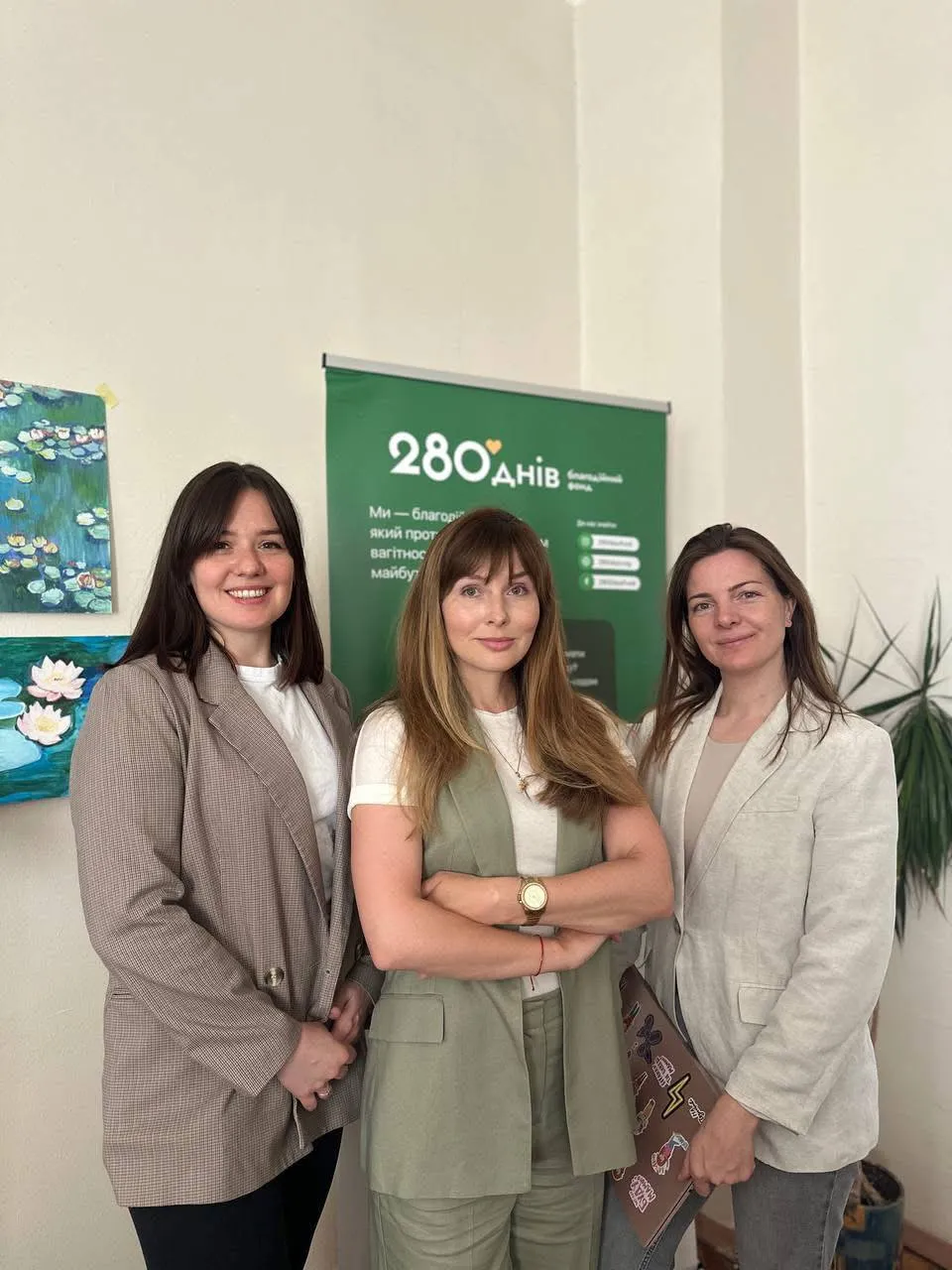
The “280 Days” Charitable Foundation was established in 2020. Initially, its work was primarily informational. The foundation’s team provided information on preparing for pregnancy, warning signs, and a healthy pregnancy.
“We established the foundation in 2020. Our initial goal was to engage in informational and educational activities to promote a healthy, normal pregnancy that would result in the birth of a healthy child. Why the name ‘280 Days’? That’s how long a healthy pregnancy lasts,” said Yulia Ridchenko, Director of Development at the “280 Days” Charitable Foundation.
After the full-scale invasion began, the foundation had to change its approach. According to Ridchenko, partner maternity hospitals reported an increase in the number of premature births. At the same time, large-scale internal migration began, and some medical facilities faced an additional burden.
The foundation began raising funds for equipment for maternity hospitals and providing humanitarian aid packages to pregnant women.
“We quickly realized that pregnant women are a particularly vulnerable group in the face of war. We began receiving reports from partner maternity hospitals that the number of premature births had increased dramatically. On top of that, active internal migration had begun,” said Yulia Ridchenko.
While providing direct assistance, the foundation spoke extensively with women and sought to understand the reasons behind their difficult circumstances. These included job loss, forced relocation, a partner’s military service, or the loss of a partner.
It was during these conversations that the foundation’s team began to hear regularly that the high costs faced by pregnant women were linked not only to items for the unborn child but also to prenatal care and childbirth.
“We heard phrases like this more and more often: ‘I need to buy a lot of things for the baby, but prenatal care and childbirth also cost a lot of money.’ And we thought: Wait a minute—how can it cost so much if we have healthcare reform in place, and prenatal care and childbirth have been free since 2021?” said Yulia Ridchenko.
Why It’s Hard for Pregnant Women to Navigate the Healthcare System
The “Guardians of the Healthcare System” have also worked on a similar issue.
The organization’s main goal is to help people understand how the healthcare system works and what services they can receive for free.
According to Natalia Guran, after the healthcare reform began, it became clear that people are aware of the existence of free services but do not always understand the rules of the new system.
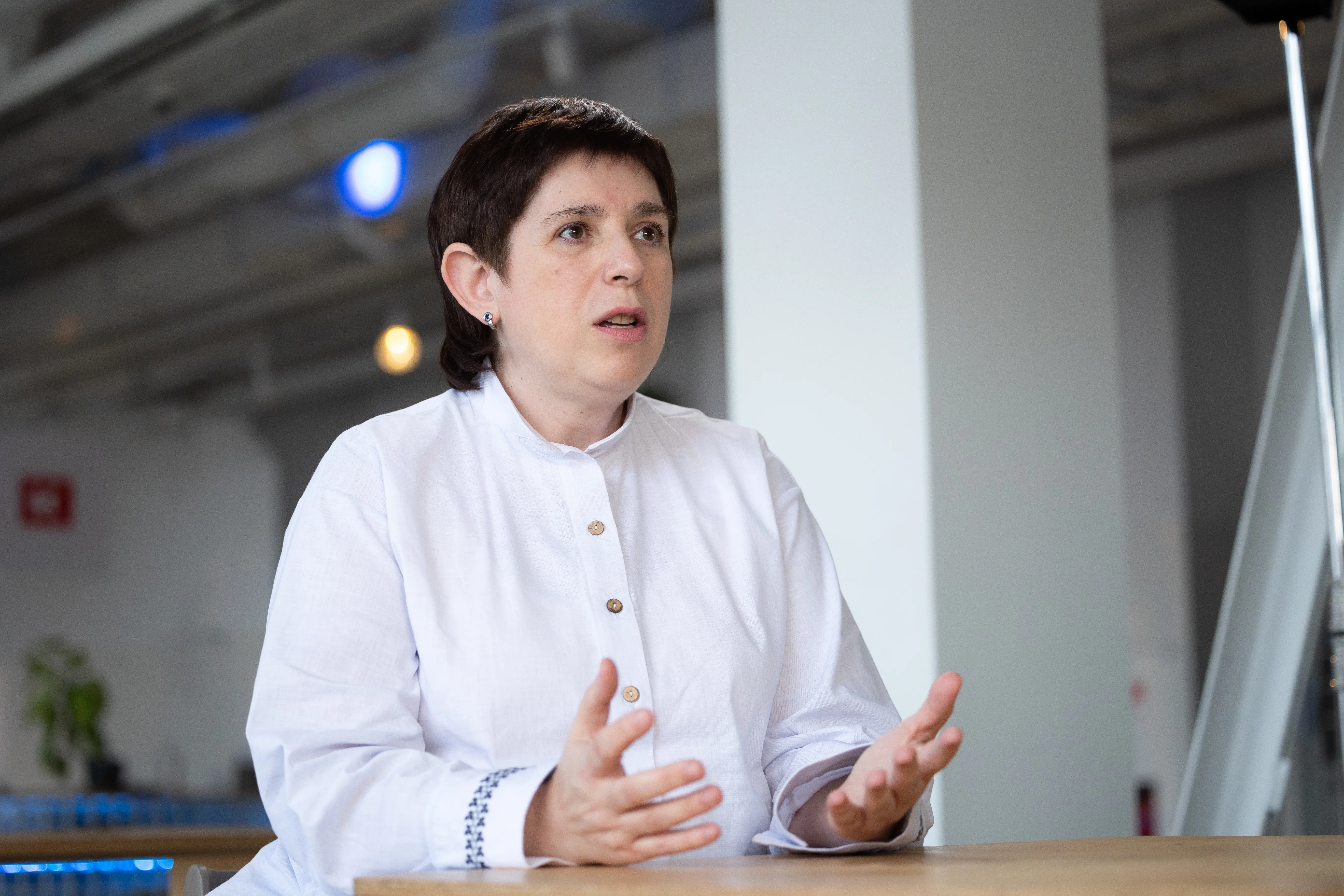
“Our main goal is to help Ukrainians receive high-quality medical care that is truly free of charge. As soon as the healthcare reform began, we saw that, on the one hand, people understood that some things should be free, but on the other hand, they didn’t understand the rules of this new system,” explained Natalia Guran, head of the NGO “Guardians of the Healthcare System.”
Therefore, the organization began translating complex regulatory documents into plain language and creating digital services based on them.
One of the first such projects was “Medicine Control”—a directory of medications registered in Ukraine. Later, the chatbot “Ask Hryts” was launched to help users navigate the “Affordable Medicines” program.
During the full-scale invasion, they decided to create a separate service for pregnant women.
“We combined our expertise with that of our colleagues from a charitable foundation. They help pregnant women, and we have the expertise to understand the Medical Guarantees Program, algorithms, and patient pathways. We also brought in doctors and developed a chatbot that pregnant women use, which we continue to maintain and update to this day,” said Natalia Guran.
How the “I’m Going to Be a Mom” chatbot came to be
According to Yulia Ridchenko, the idea for the chatbot arose after the foundation realized that a significant number of women did not understand how the healthcare reform works.
They didn’t know that they could receive prenatal care and give birth for free at a medical facility that has a valid contract with the National Health Service of Ukraine (NSZU). The foundation then partnered with a nonprofit organization that was still called “Liky Control” at the time and already had experience creating similar digital tools.
“That’s how the idea for the ‘I’m Going to Be a Mom’ chatbot was born in partnership with the NGO, then still called ‘Liky Control.’ They already had experience with such rights-advocacy medical chatbots, and we partnered with them specifically to work with our target audience,” said Yulia Ridchenko.
At the same time, the team decided not to limit the service to just information about free services.
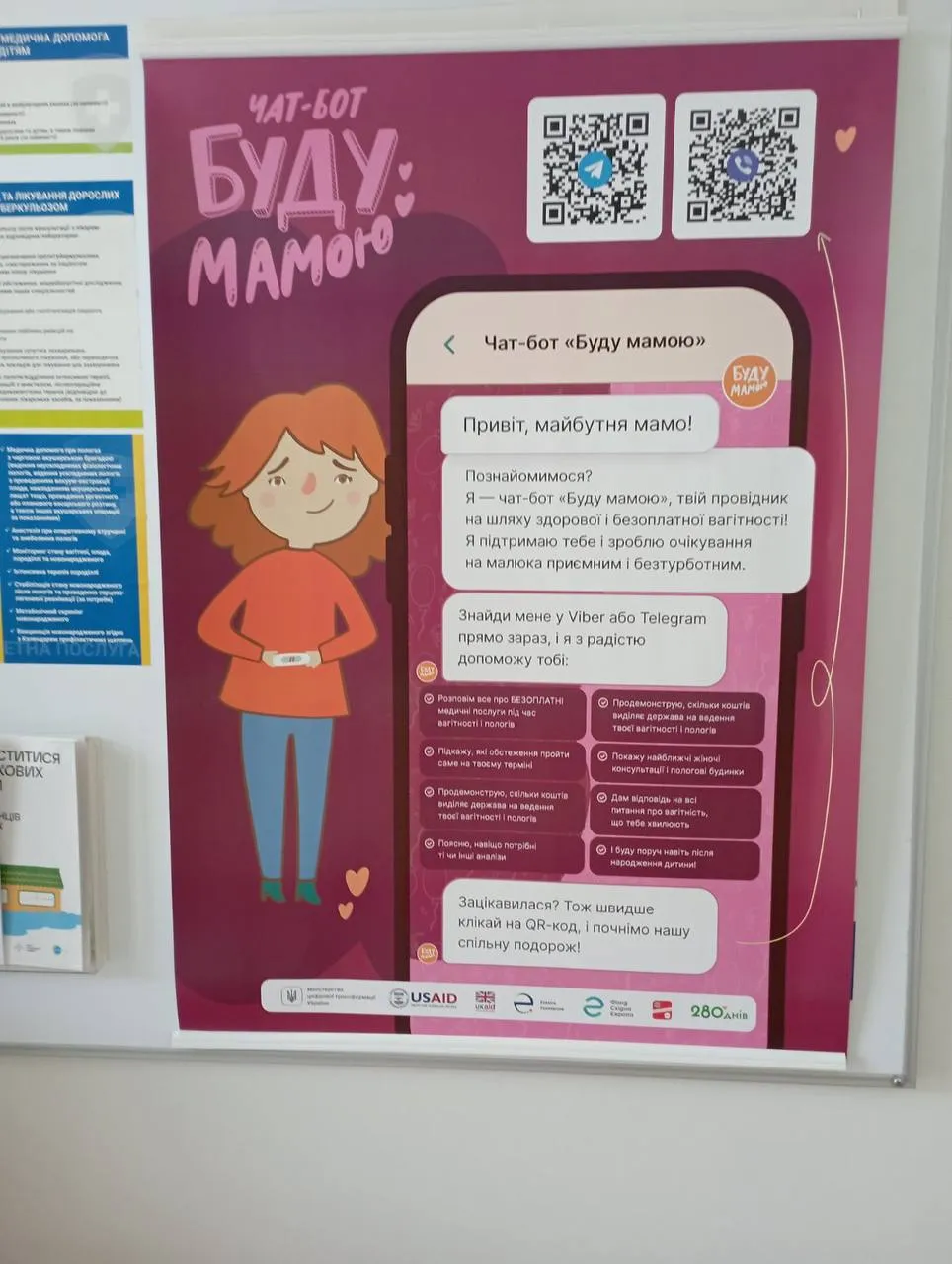
It now includes guides on choosing a maternity hospital, information on warning signs, explanations of healthcare reform, and the ability to find the nearest medical facility.
What You Can Find in the “I’m Going to Be a Mom” Chatbot
The chatbot is based on open government data, information from the National Health Service of Ukraine (NSZU), healthcare standards, and documents from the Medical Guarantees Program. The service team transforms this information into user-friendly instructions and guides.
“The National Health Service of Ukraine is updating the lists of facilities that have signed contracts—maternity hospitals and women’s clinics. “We took the medical care standards for pregnancy management and the documents from the Medical Guarantees Program, compiled them all, translated them into plain language, and created visual guides,” explained Natalia Guran.
One of the service’s features is a pregnancy testing calendar. In it, a woman can see which tests are scheduled for a specific stage of pregnancy and which of them should be free of charge.
“We’ve compiled information for each stage of pregnancy: if you’re at a certain stage, that means you’ll have an ultrasound and specific tests, and they’ll be free. It’s like a checklist for pregnant women,” said Natalia Guran.
According to her, this allows women to come to their doctor already prepared and understand which tests are required by standards.
You can also use the chatbot to check whether a selected healthcare facility provides the necessary services for free.
Why Women Continue to Pay for Free Services
Before launching the chatbot, the “280 Days” Charitable Foundation conducted a survey among women. Yulia Ridchenko notes that the vast majority of respondents were unaware of the option to give birth for free.
In addition, many women were paying for tests and examinations that were covered by the Medical Guarantees Program.
Another problem is mistrust.
“Many were aware of the healthcare reform, but didn’t believe it worked,” said Yulia Ridchenko.
Separately, the foundation encountered women’s fear of standing up for their rights with doctors.
“A pregnant woman comes to a medical facility and is told, ‘You need to get an ultrasound; it costs 500 hryvnias.’ She knows that the ultrasound is covered by the Medical Guarantees Program, but she thinks, ‘If I start talking about my rights now, the doctor will deliberately do something wrong.’ I’m not making this up—people have reached out to us with similar concerns,” said Yulia Ridchenko.
According to her, the foundation tries to explain to women that they can assert their rights calmly.
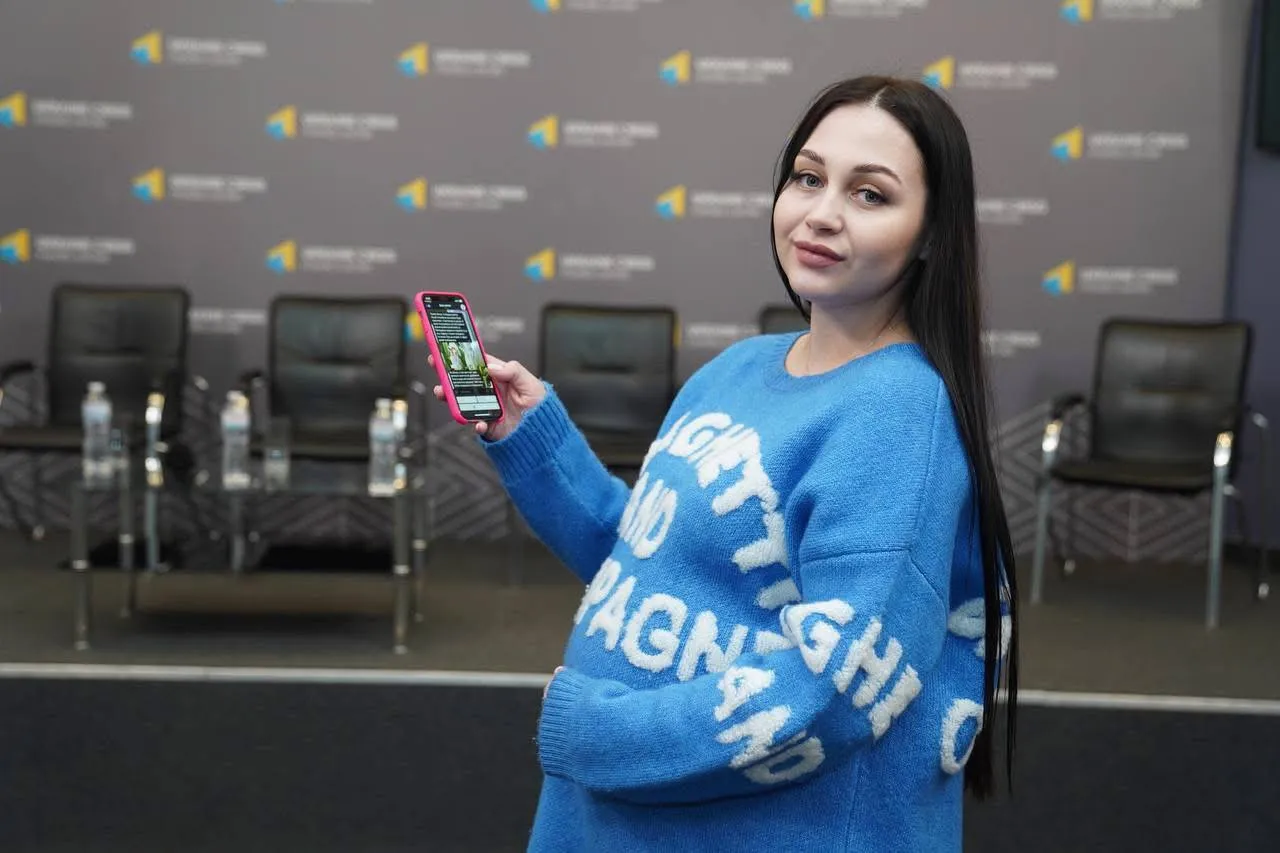
Natalia Guran points out another reason—the experience of previous generations.
Young women often seek advice from older female relatives who gave birth ten or more years ago. But the system has changed since then.
“Now you don’t have to make a deal with the doctor; there are qualified medical teams on duty. You don’t have to slip a ‘thank-you’ envelope to the doctor. But there’s a problem: ‘Well, I guess I have to do it this way because everyone else does.’ It’s very hard to eradicate such attitudes,” said Natalia Guran.
How Social Media Influences Spending During Pregnancy
Natalia Guran cites social media as another factor.
According to her, bloggers may talk about very high pregnancy expenses, and other women get the impression that they, too, need to spend that much.
“There are some bloggers on social media who say they spent several hundred thousand hryvnias on their pregnancies. In principle, you could spend a million if you have it, but they set the trends. And people see this and think, ‘Maybe I need to do that too,’” explained Natalia Guran.
At the same time, she’s noticed another trend: comments from women saying they gave birth for free are appearing more and more often under these kinds of videos.
The Chatbot and the Fight Against Informal Payments
“I’m Going to Be a Mom” also has an anti-corruption component. According to Yulia Ridchenko, the team wanted to explain to women that using free services not only saves money but also reduces the practice of informal payments.
“When a woman receives prenatal care or gives birth for free, she not only saves her own money but also helps reduce bribery in Ukraine. Because she knows she isn’t supposed to pay, and if she’s asked for money for services that are covered, that’s illegal,” explained Yulia Ridchenko.
During the chatbot’s development, information was also added about how much funding specific medical facilities received for prenatal care and childbirth.
“Our reasoning was this: a woman goes to the hospital, is asked to pay, say, 200 hryvnias for an ultrasound, she checks the chatbot and sees that this medical facility received millions last year for prenatal care, and realizes that funding is available,” said Yulia Ridchenko.
At the same time, “Guardians of the Healthcare System” try to explain to users how to resolve such situations without conflict.
“We teach people how to file a complaint without causing conflict, but rather to resolve a particular issue constructively. When a woman who knows her rights comes to the hospital, demands that someone pay extra usually disappear,” said Natalia Guran.
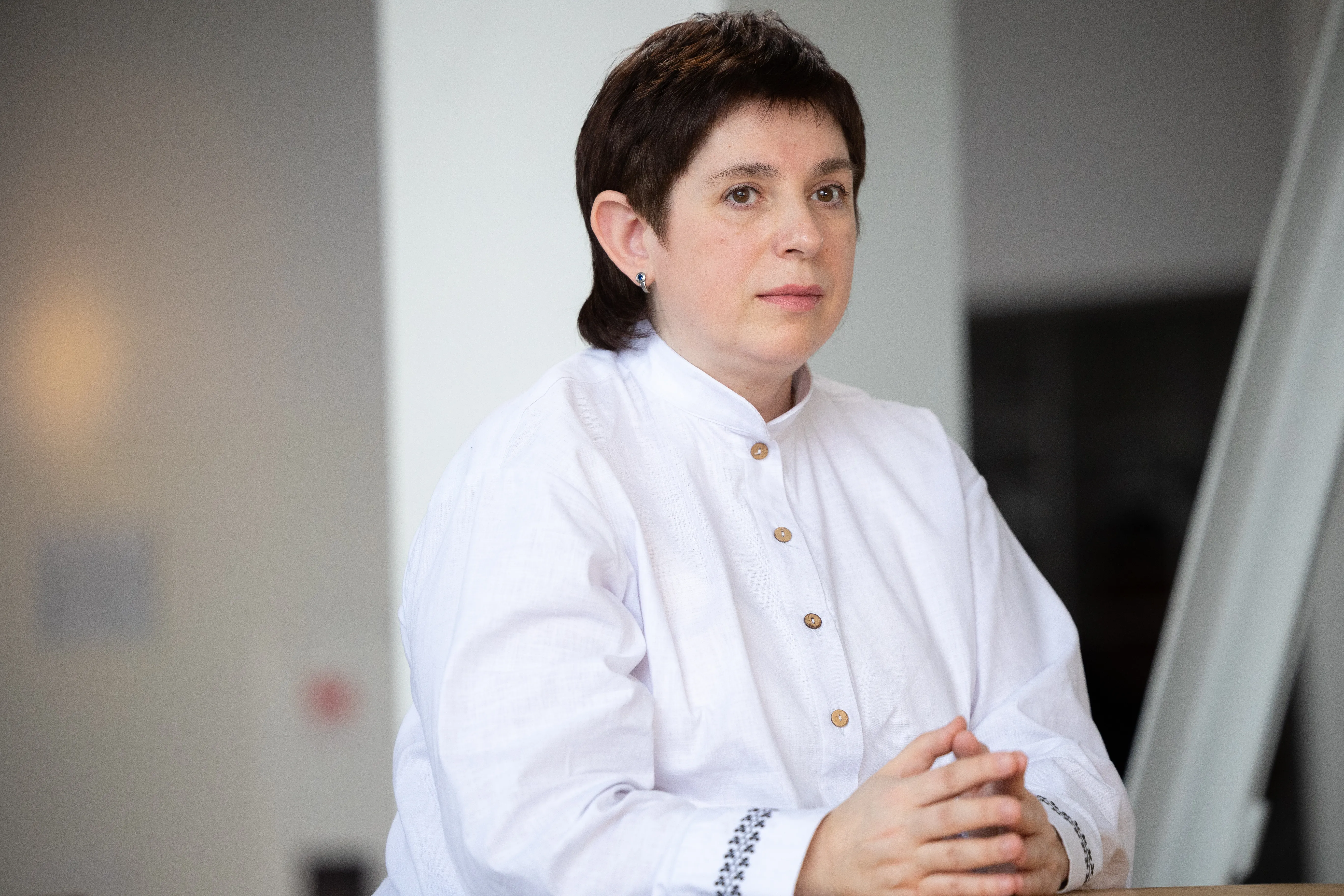
47,000 people have already used the chatbot
According to Yulia Ridchenko, at the time of the interview, the chatbot had about 47,000 users.
Its audience is constantly changing: after a child is born, some of the information is no longer needed by the woman, while new pregnant women join the service.
“47,000 at the moment. And the audience is constantly changing because once a woman gives birth, she no longer needs this information as much, but others become pregnant,” said Yulia Ridchenko.
According to her, new users join primarily through mom groups on Instagram, Telegram, and TikTok, as well as through recommendations from other women.
How Much Does It Cost to Maintain “I’m Going to Be a Mom”
The team received grant funding twice to create and further develop the chatbot.
According to Ridchenko, the second grant in 2023 amounted to about one million hryvnias. Funding for the service’s launch was roughly the same amount.
During the second phase, the team added new features and Q&A sections and updated the relevant documentation.
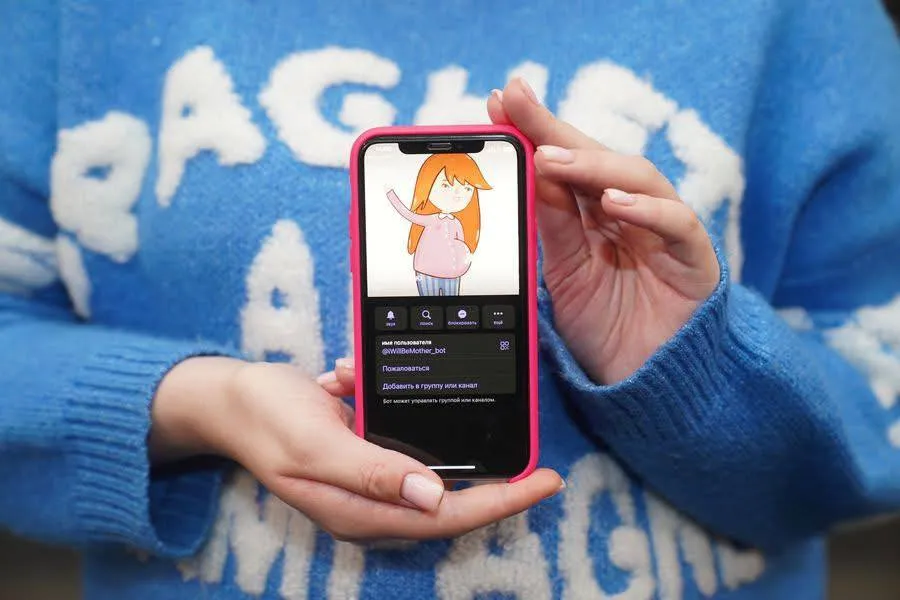
Currently, a significant portion of the work on the chatbot is done on a volunteer basis.
“If we had about a thousand dollars a month, we would be promoting it very actively and attracting new users. Unfortunately, we don’t have that kind of funding,” said Yulia Ridchenko.
A Big City and a Small Community: How Access to Assistance Differs
A pregnant woman’s options also depend on where she lives. According to Yulia Ridchenko, a woman in a large city has more alternatives. If she’s not satisfied with one facility, she can turn to another.
In small towns, the choice is significantly more limited.
“There’s a huge difference between small towns and regional centers—let alone Kyiv—in terms of access to information and medical options,” said Yulia Ridchenko.
At the same time, Natalia Guran notes that a small community does not necessarily mean poorer medical care.
“There are some small communities that have become so actively involved in healthcare reform that everything there is simply perfect. Even large cities have something to learn from them,” said Natalia Guran.
A separate challenge is posed by frontline territories. Here, the situation can change rapidly due to the destruction of medical facilities and transportation infrastructure.
“If a city is destroyed—for example, a bridge across a river—we must immediately reroute the patient’s journey: where to take her, which route to take, and how long the trip will take,” explained Natalia Guran.
According to her, such regions also lack doctors and medical staff, and those who continue to work are becoming exhausted due to the constant workload.
Legal, Humanitarian, and Psychological Assistance for Pregnant Women
Today, the “280 Days” Charitable Foundation is gradually shifting its focus from large-scale, targeted humanitarian aid to counseling services.
The foundation has launched a counseling hub where pregnant women can receive assistance with non-medical issues.
Legal support has become one of the most popular areas of assistance.
“We’ve been receiving a lot of requests for legal support. We provide free consultations on family law, inheritance law, and benefits,” said Yulia Ridchenko.
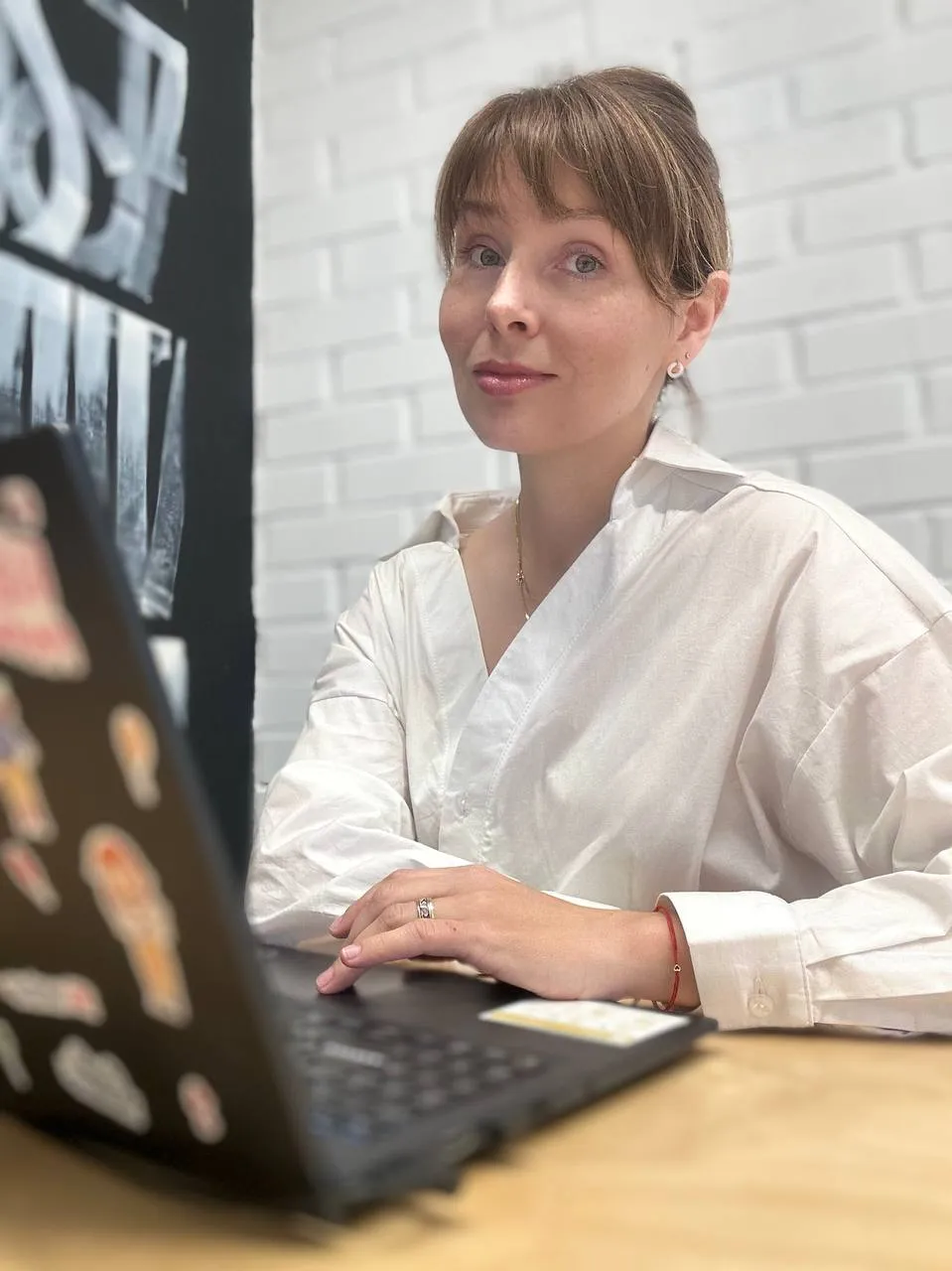
People also turn to the foundation regarding violations of patients’ rights—for example, when a maternity hospital demands payment for services. Whenever possible, the foundation continues to provide humanitarian aid packages to pregnant women.
During the interview, Yulia Ridchenko also mentioned that the foundation is preparing to launch individual psychological counseling sessions for pregnant women experiencing psychological or emotional difficulties.
“Warm Help” and “Light for Mom”: Support for Pregnant Women During Blackouts
Some of the “280 Days” Charitable Foundation’s programs were related to blackouts and the situation in frontline and border regions.
During the first winters following the start of the full-scale invasion, the foundation implemented the “Warm Aid” program. Maternity wards received heating supplies, while women were provided with power banks, warm clothing, and other assistance depending on the specific program.
Now the foundation is preparing the “Light for Mom” project.
“We’re raising funds to provide power banks to women in frontline and border areas. If possible, we’ll look into providing some heating supplies—depending on the situation,” said Yulia Ridchenko.
What Medical Reform Lacks Most
One of the main problems Yulia Ridchenko identifies is a lack of communication.
According to her, new opportunities are emerging as part of healthcare reform, but people may simply be unaware of them.
“What healthcare reform lacks is communication. Sometimes a service is available, it’s provided free of charge, but people simply don’t know about it,” said Yulia Ridchenko.
That is precisely why, according to Natalia Guran, digital services remain essential.
At the same time, the format doesn’t necessarily have to be a chatbot.
“It doesn’t really matter whether they’re chatbots or other digital services. The key word is ‘services.’ The service needs to be user-friendly, understandable to people, and easy to find,” explained Natalia Guran.

The healthcare system lacks interaction with social services and communities
Natalia Guran also considers insufficient interaction between various government agencies to be one of the systemic problems. Medical care does not always solve all of a person’s problems.
For example, after giving birth, a female IDP may return to a home that is not adapted to her new circumstances.
“There is a serious lack of coordination between the Ministry of Health, the Ministry of Social Policy, and the community—as well as the Ministry of Infrastructure,” said Natalia Guran.
She gave another example: a patient may be successfully treated in the hospital, but after discharge, there will be no one at home to care for them.
“On the one hand, the state has invested money in treatment, but on the other hand—because there is no social care—the person may relapse or their condition may worsen. This kind of cross-sectoral coordination is sorely lacking,” explained Natalia Guran.
Charities Lack Long-Term Programs to Support Motherhood
For charitable organizations working with pregnant women, funding remains one of the main challenges. According to Yulia Ridchenko, short-term programs allow for helping a limited number of people but do not enable the creation of a large-scale, long-term support system.
“There is a lack of support for large, full-scale, sustainable programs. If they are to have significant reach and scalability, they cannot be two-month or six-month programs,” said Yulia Ridchenko.
The foundation is currently working on further developing the counseling hub. Ridchenko describes its main idea as an effort to give pregnant women greater confidence during times of instability: confidence in their rights, their financial prospects, and the assurance that, if necessary, they will be able to receive psychological or legal support.
“In the current climate of uncertainty, we want to give women more confidence—confidence in their rights, in the fact that they won’t be left with a child and no money, and in the fact that they’ll manage and have enough strength,” said Yulia Ridchenko.
The “I’m Going to Be a Mom” chatbot remains one of the tools for this support. Through it, a pregnant woman can find out what services she is entitled to receive free of charge, locate a medical facility, check which examinations are required at a specific stage of pregnancy, and understand what to do if her rights are violated.
And the main problem mentioned by both UA.News interviewees remains one of information: even when certain forms of assistance already exist, a woman must first learn that she is entitled to them.


