
This coming Sunday, July 5, 2026, Ukraine will celebrate the professional holiday of its navy—Navy Day. However, this is a date that, in and of itself, seems almost paradoxical. Ukraine is a country that effectively lost most of its navy at the very “dawn” of its independence and subsequently endured its near-total destruction and/or capture.
This Sunday, the calendar marks a professional holiday for those traditionally associated with large ships, cruisers, destroyers, and aircraft carriers. But the Ukrainian navy today is not a story of tonnage, mass, or large-caliber guns. It is a story of how the de facto absence of a navy as such gave rise to an entirely new strategy of naval warfare, a strategy that forced one of the world’s greatest naval powers, for the first time in over two centuries, to withdraw its ships from its main base in occupied Sevastopol. It is a story of how a technological leap, desperation, and asymmetric thinking transformed what was—let’s be frank!—arguably the weakest link in Ukraine’s defense into a model for the naval doctrines of the future.
To understand the scale of this transformation, it’s worth taking a look back at the past. What was the Ukrainian Navy like in the past, what happened to it, and what has it become today? UA.News investigated the issue.
A “Fragmented” Legacy: The Rise and Fall of the Ukrainian Navy
When the Soviet Union ceased to exist in 1991, a vast military legacy remained on Ukrainian territory. In the bays of Sevastopol and Donuzlav, and at the shipyards of Mykolaiv, lay what was then known as the “Red Banner (Krasnoznamyonny) Black Sea Fleet.” More than 350 (!) ships and vessels of various classes, including powerful missile cruisers, large amphibious assault ships, and submarines, found themselves at the center of political bargaining between the newly independent Ukraine and the newly formed Russian Federation.
This was a historic opportunity which, as time has shown, was not fully capitalized upon. The political leadership of the young state, focused on nuclear disarmament and economic survival amid the chaos and poverty of the 1990s, viewed the massive fleet more as a daunting financial burden than as an instrument of future defense and sovereignty.

Negotiations over the division of the fleet dragged on for many years. It’s hard to believe now, but at the time, the Black Sea Fleet effectively operated under dual command, which only accelerated the deterioration of its equipment and the demoralization of its personnel. In 1997, Kyiv and Moscow finally signed an agreement under which Ukraine received about 18% of the Black Sea Fleet’s ships.
Formally, it was still a powerful force: the Ukrainian Navy received a flagship—the missile cruiser “Ukraine” (formerly “Admiral Lobov”), the large landing ship “Konstantin Olshansky,” the corvette “Lutsk,” and a number of other vessels. However, the actual condition of this equipment was catastrophic. Years without proper funding and maintenance had turned the combat units into, quite literally, scrap metal (they were cut up and sold at scrap prices), chained to the docks.
The state, which could barely pay its officers pittance-like salaries, did not and could not have the resources to maintain a large fleet. Most ships never set sail to carry out full-scale combat missions, and the rare exercises only underscored the obsolescence of Soviet systems.

In the 2000s, the situation became even more telling. Russia, which began to recover after the economic collapse of the late 1990s and rapidly increased its military budget, modernized its portion of the Black Sea Fleet, based in Sevastopol under a lease agreement. Against this backdrop, the Ukrainian Navy did not simply look impoverished—it appeared as a catastrophic symbol of decline.
The culmination of this sad drama was the story of the cruiser “Ukraine.” Nearly completed, it had been sitting in a shipyard in Mykolaiv for years, becoming a metaphor for lost opportunities. This massive ship, capable of carrying powerful missile armaments, simply rusted away against the factory wall. Its condition was just as hopeless as that of the army in Kyiv at the time, where naval personnel remained a completely forgotten branch of the military. However, there is an explanation for this situation: at the time, absolutely no one expected Russia to dare to launch a direct aggression, so defending the coastline made virtually no sense.

2014: The Total Collapse of the Conventional Fleet
The events of March 2014 became the moment of truth, revealing the complete failure of the previous naval policy. When Russian forces without identification marks blockaded administrative buildings in Crimea, the Ukrainian navy proved completely unprepared to resist. And it wasn’t just a matter of betrayal or indecision on the part of the command: even technically, those “three and a half” ships that were in service lacked full combat capability. They lacked modern communications equipment, could not maneuver effectively, and their weapons had not been properly maintained for years.
Russia’s tactics in Crimea 12 years ago were based on a lightning-fast blockade, a blitzkrieg. Ukrainian sailors found themselves trapped: hostages to both geography and a lack of political will. The result, as is well known, was catastrophic: some of the ships were captured by the Russians, while the rest raised Ukrainian flags but were soon either destroyed during their withdrawal or fell into enemy hands anyway. Some vessels, such as the minesweeper “Cherkasy,” offered symbolic resistance by maneuvering in Lake Donuzlav, but this was more a gesture of political desperation than any kind of systematic defense. The flagship at the time—the frigate “Hetman Sagaidachny”—was actually in the Mediterranean Sea at the time and later returned to Odesa, effectively remaining the only vessel that was managed to be preserved.

The loss of Crimea meant the loss not only of the fleet but also of the main basing infrastructure, warehouses, repair facilities, and training base. Ukraine was left not merely with a weak fleet—it was left de facto without a fleet at all.
After 2014, a slow, painful revival began, but the strategic imbalance remained colossal. Meanwhile, Russia was building up its military presence in Crimea, turning the peninsula into a militarized fortress. The Russian Black Sea Fleet was reinforced with new submarines capable of launching “Kalibr” cruise missiles—all too familiar to Ukrainians—as well as frigates and patrol ships. Against the backdrop of this fleet, the Ukrainian Navy could count on little more than converted civilian boats.
Even in the boldest predictions, no one could have imagined that Kyiv would be able to wage a naval war against Russia on nearly equal terms just a few years later. In February 2022, on the eve of the full-scale invasion, it seemed that the Black Sea was under the undisputed control of the Russian armada, and that the fate of the Ukrainian coastline in the event of a conflict was a foregone conclusion. But things did not turn out as expected.
Traditional Navy vs. Maritime Drones: An Asymmetric Revolution
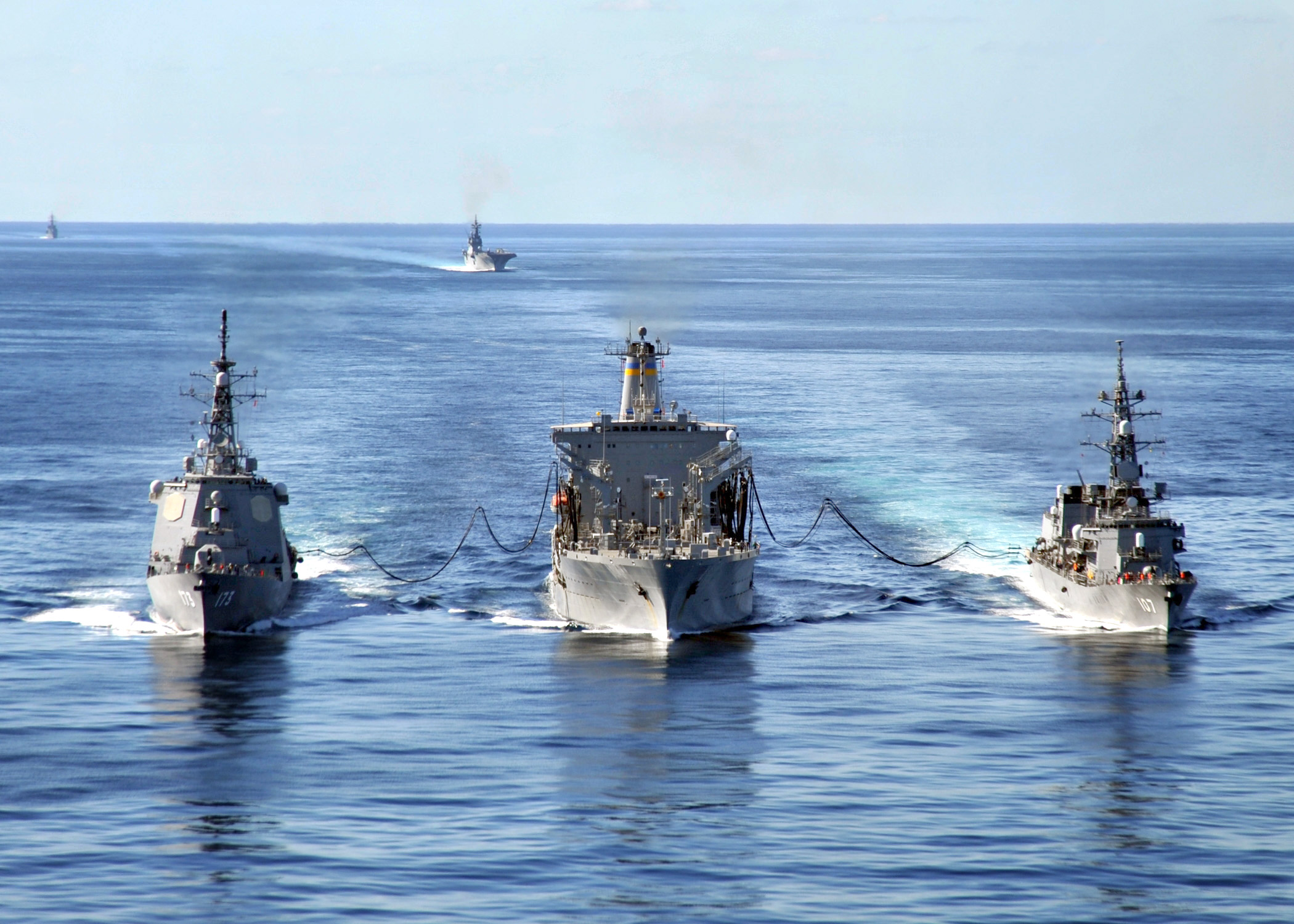
When Russia’s large-scale invasion began, everyone expected a classic amphibious assault. At the time, Russian ships were blockading the ports of Odesa and Mykolaiv, and there were reports of preparations for a marine landing, among other things. The Ukrainian navy had virtually no means to respond in a direct confrontation.
However, something happened that no one expected. Ukraine employed purely asymmetric tactics, which significantly neutralized the Russians’ advantage. On April 13, 2022, the coastal missile system “Neptune” fired just two (!) anti-ship missiles at the flagship of the Black Sea Fleet—the missile cruiser “Moscow”—and destroyed it.
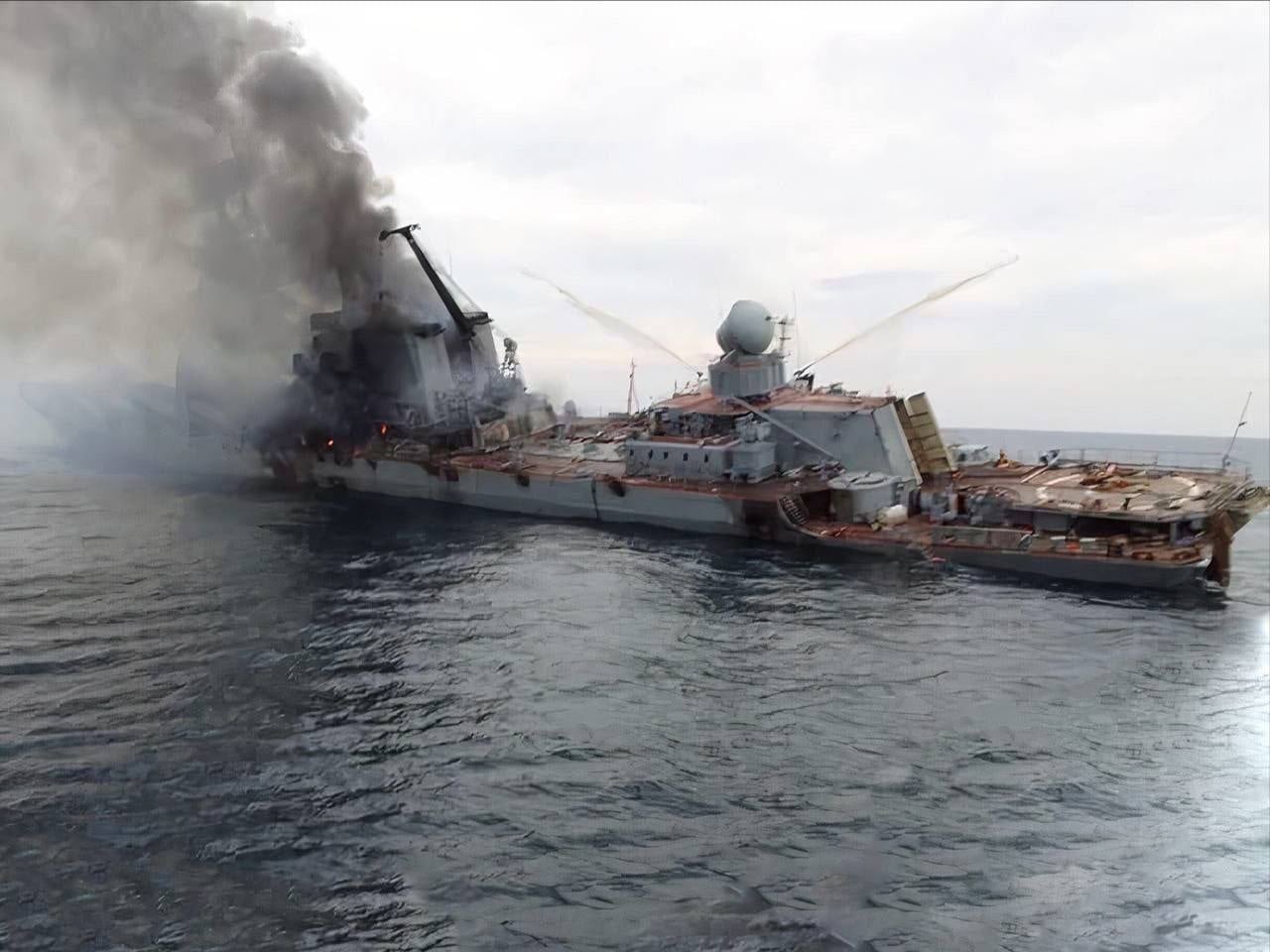
This ship—incidentally, the very one that one of the defenders of Zmiinyi Island had sent on a “walking erotic journey” back on February 24, 2022—was the pride of the Russian fleet, a symbol of its power in the region. Its sinking came as a complete shock to the Kremlin. It turned out that a massive cruiser with an anti-aircraft “umbrella” could fall victim to just two relatively small missiles, provided there was effective coordination and intelligence. This strike forced the Russian fleet to retreat further from the Ukrainian coast, disrupting its plans for a naval blockade.
But the real breakthrough was yet to come. Realizing that rebuilding a traditional navy would cost tens of billions of dollars and take decades, Ukraine opted for a technological leap. The bet was placed on unmanned surface vehicles. Simply put, these are the legendary Ukrainian maritime drones.
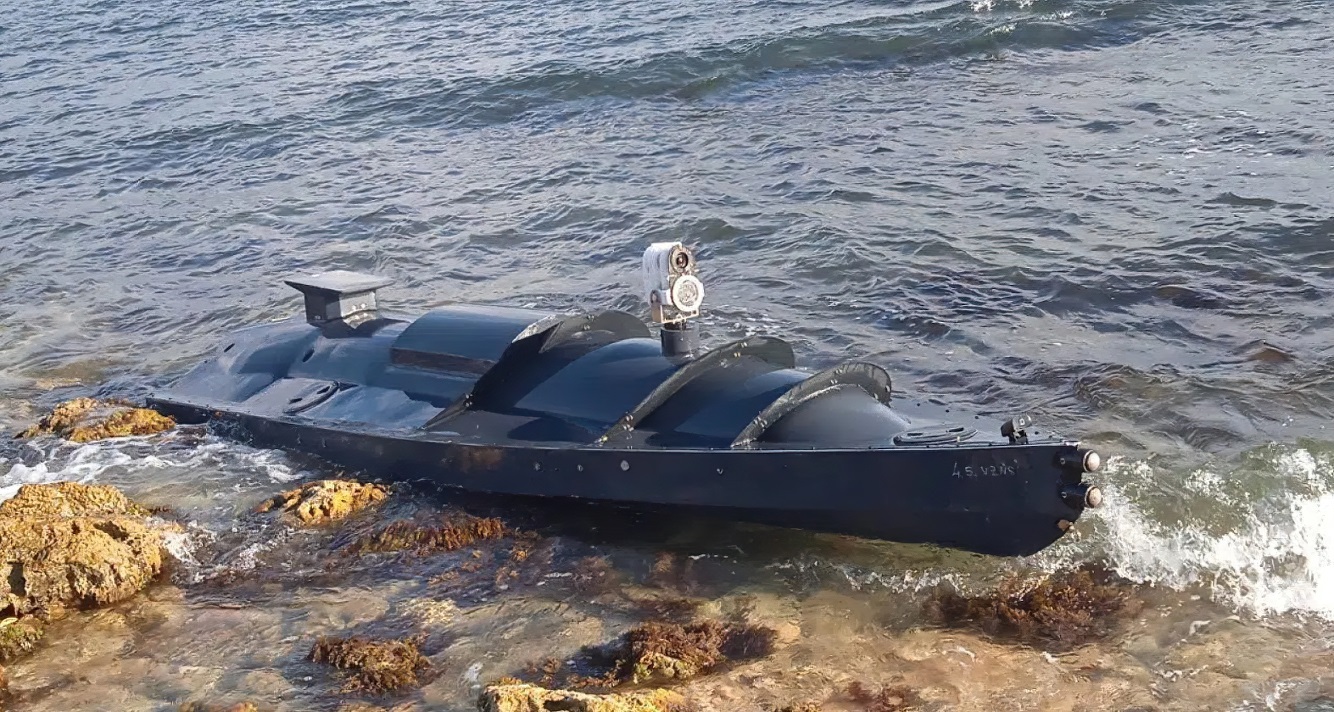
The first prototypes were homemade, assembled from readily available materials and commercial engines, but they still demonstrated the ability to travel hundreds of kilometers and carry a significant combat payload. In October 2022, naval drones attacked ships right in Sevastopol Bay. This was an unprecedented event in the history of warfare: small, inconspicuous boats packed with explosives broke through the defenses of the main naval base.
The psychological impact was staggering. Russia, a traditional maritime power accustomed to the logic of large fleets, faced for the first time an enemy that could not be detected by conventional radar at that time.
Over time, the design of these drones evolved. There was a transition from primitive inflatable boats to high-speed, stealthy platforms capable of carrying hundreds of kilograms of explosives over distances of up to 800 kilometers. Using Western technologies and components, Ukrainian developers created a flotilla of unmanned boats that effectively replaced the traditional navy. These vessels attacked reconnaissance ships, landing craft, and later more significant targets—frigates and submarines in dry docks.
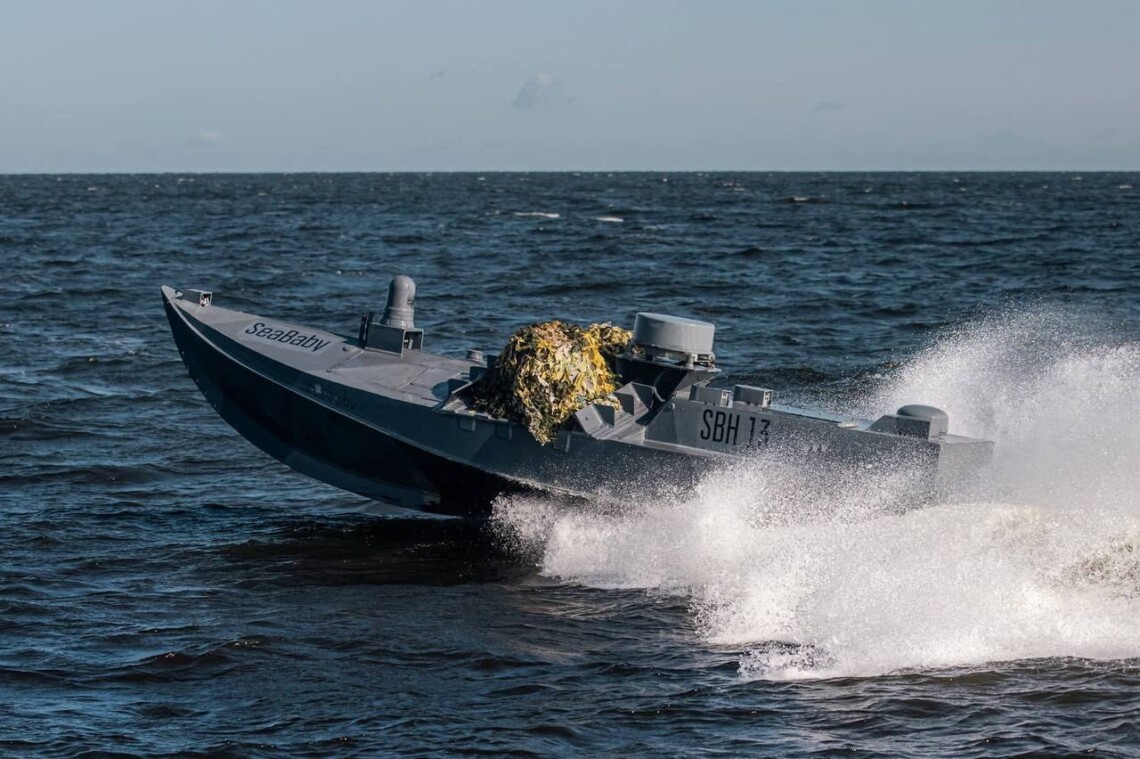
The campaign culminated in systematic strikes on Sevastopol Bay and targets in Novorossiysk. The Russian command was faced with a choice: to keep its ships under constant threat at their historic deployment site—Sevastopol—or to move them to more secure bases. Finally, in 2023, Russia began a large-scale redeployment of the Black Sea Fleet’s main strike forces from Crimea to Novorossiysk and other ports in the Krasnodar Krai. To reiterate: for the first time since 1783 (!), when Catherine II annexed Crimea to the empire, the Russian Navy’s main base on the peninsula has lost its strategic significance as a secure rear base.
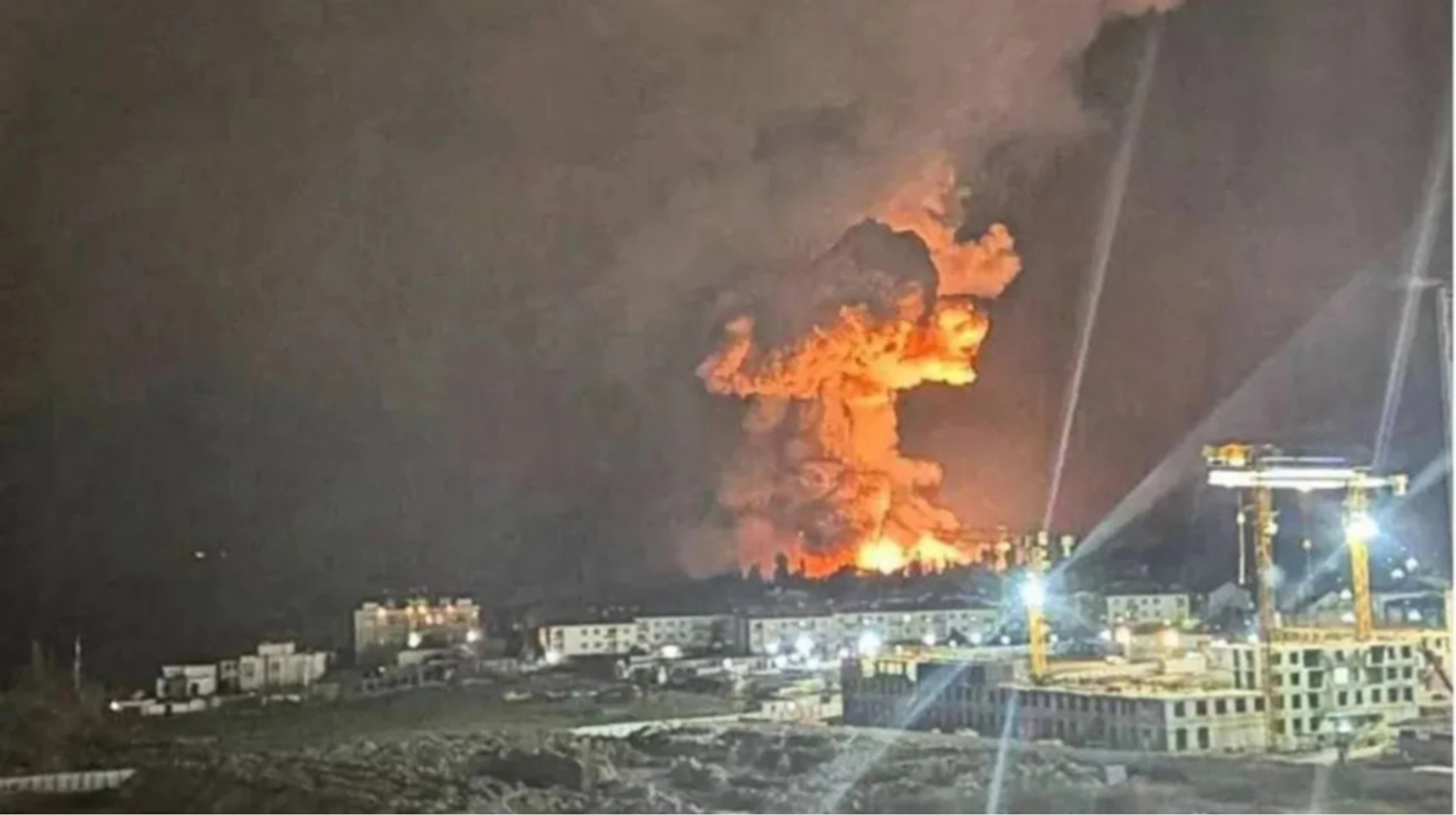
Ukrainian maritime drones and missiles have achieved what heavy naval squadrons could not: they have driven the enemy out of its traditional harbor. According to various estimates, strikes by unmanned boats and missile systems have disabled more than 30% of the Russian Black Sea Fleet’s combat strength. This is an absolutely unique development that significantly impacts Russia’s capabilities and dominance at sea. As of now, Kyiv continues to develop and modernize naval drones.
In summary, today’s Ukrainian naval forces represent a unique combination that has almost no parallel in the world. The fleet’s main strike force consists not of corvettes and cruisers, but rather a swarm of various types of naval drones: reconnaissance, strike, mine-laying, logistics platforms, and so on. This is an entirely new naval culture, where a ship’s commander and a crew of hundreds are replaced by an operator who controls several drones from a secure position somewhere on shore. This model is not only cheaper but also makes it possible to wage war at sea without losing human lives—something unprecedented in naval history.
The Ukrainian unmanned fleet has become more than just a substitute for missing ships. It has shaped a new reality with new forms of control over the sea. That is precisely why, on July 5, Ukraine will celebrate Navy Day with well-deserved pride—a force that, not so long ago, existed only on paper but has since completely changed all the modern rules of the game in naval warfare.


