
Video: A new cave has been discovered on Mount Smotrych in the Carpathians
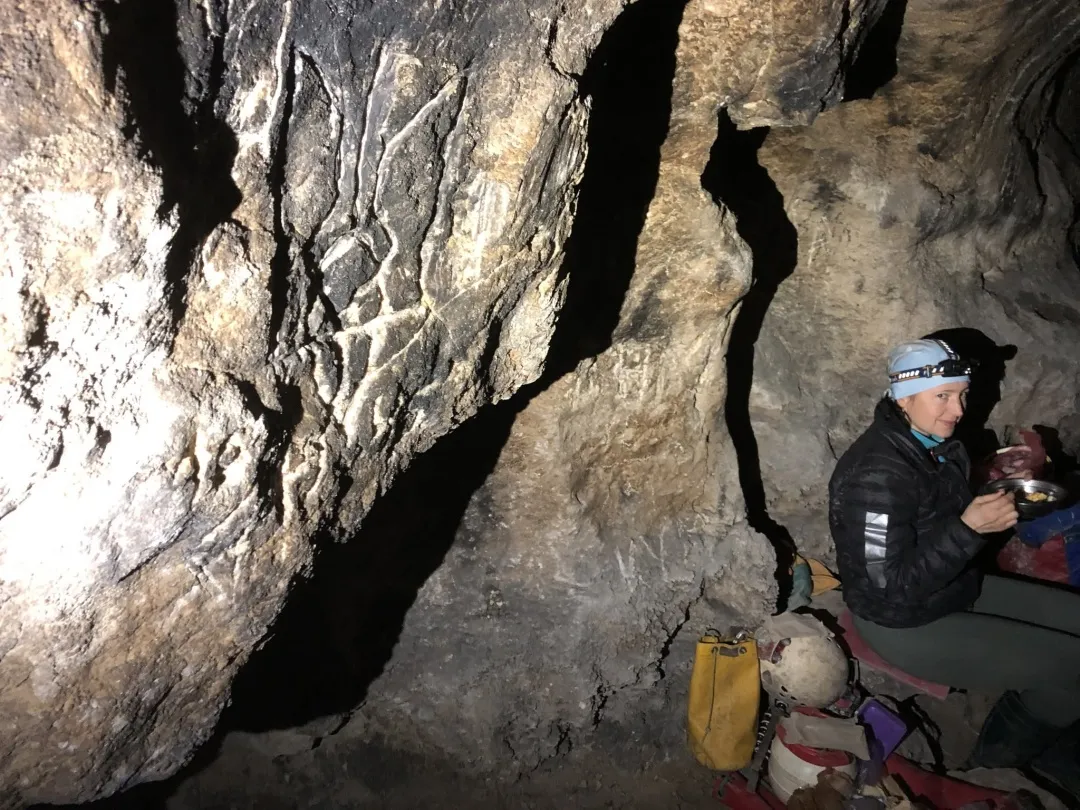
In the Ivano-Frankivsk region, speleologists discovered the Dzembronia vertical cave on Mount Smotrych. It is about 30 meters deep, and in the Ternopil region, researchers also discovered a 50-meter extension of the “Na Khomakh” gypsum cave.
Yuriy Kasian, a speleologist and vice president of the Ukrainian Speleological Association, told a Ukrinform correspondent about this.
“We discovered a new vertical cave on Mount Smotrych. We named it ‘Dzembronya’ because there is a village with that name nearby. We believe this cave could become the deepest cave in the Carpathians. After all, its depth reaches 30 meters, and possibly even more. That’s quite deep for sandstone caves in the Carpathians. We will continue to explore it,” Kasyan said.
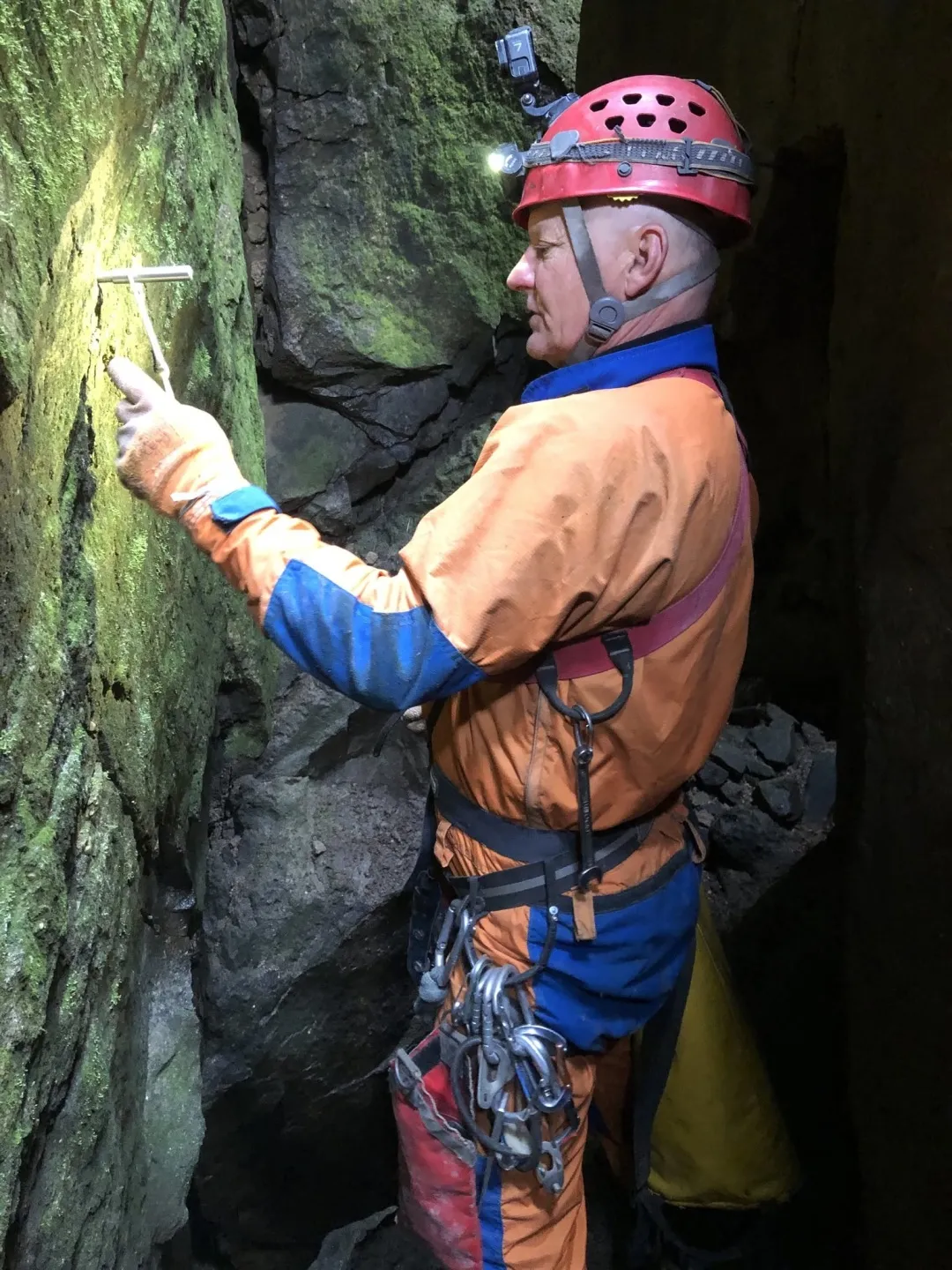
Also in the Ternopil region, speleologists discovered a new section of the “Na Khomakh” gypsum cave, approximately 50 meters long.
“The ‘Na Khomakh’ cave, located near the village of Kryvche in the Chortkiv District, has been known to speleologists since 1960 and to local residents since ancient times. This cave was considered small—it is 140 meters long. We decided to explore it in more detail, as we suspect it may be a fragment of a much larger cave. About two kilometers away is the Krystalova Cave, which stretches over 20 kilometers. And since “Na Khomakh” is located in the same mountain range, its passages could extend for tens of kilometers,” Kasyan noted.
According to the speleologist, three scientific expeditions took place in the “Na Khomakh” cave this year.
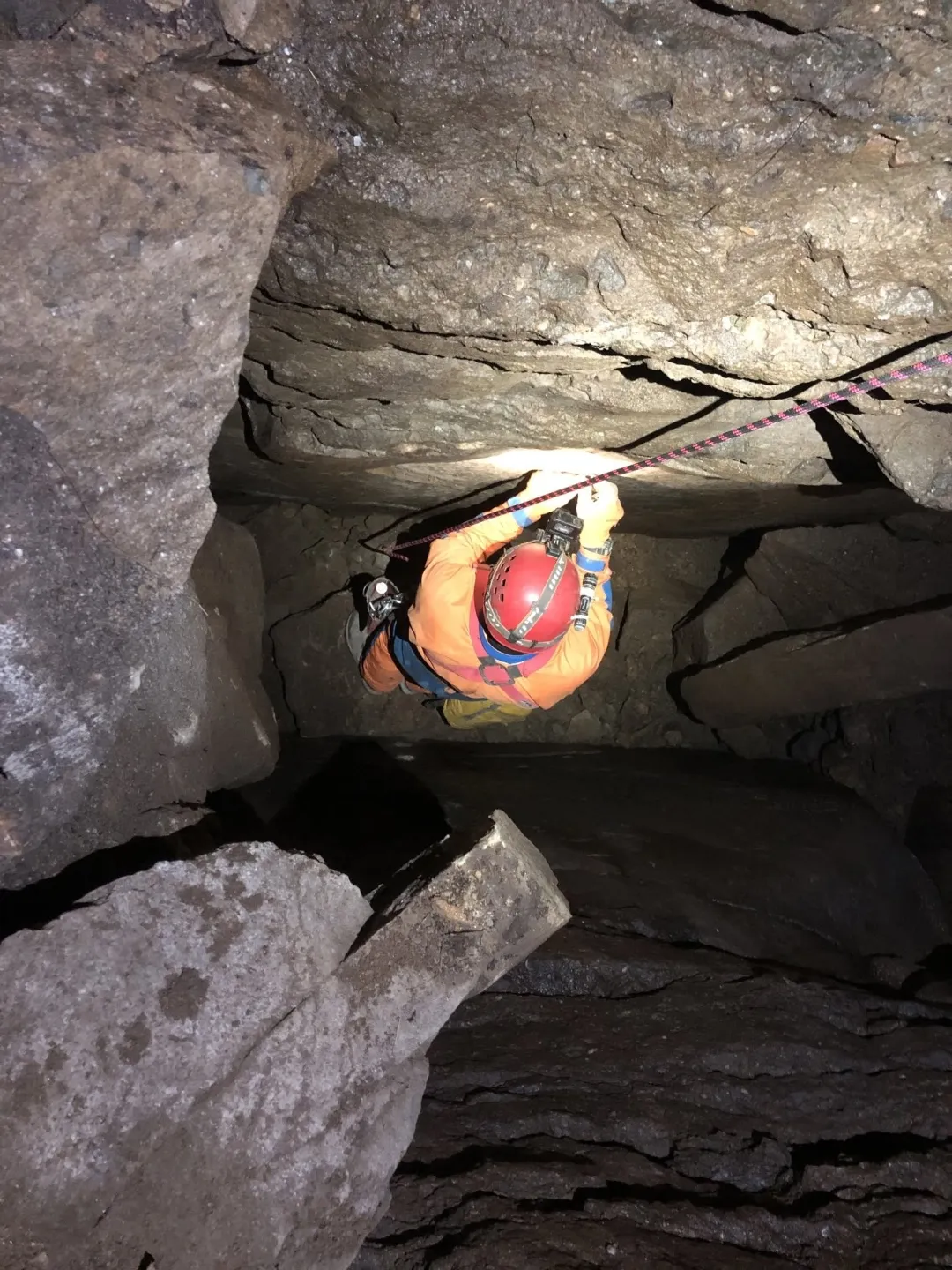
“During the third trip, we managed to pass through a narrow gorge, widen it by clearing away rocks, and discover a new 50-meter-long section of the cave. Then we reached another narrowing. We’ll continue our work after winter. After all, bats hibernate in this cave, so we can only work during the warmer months,” Kasyan added.
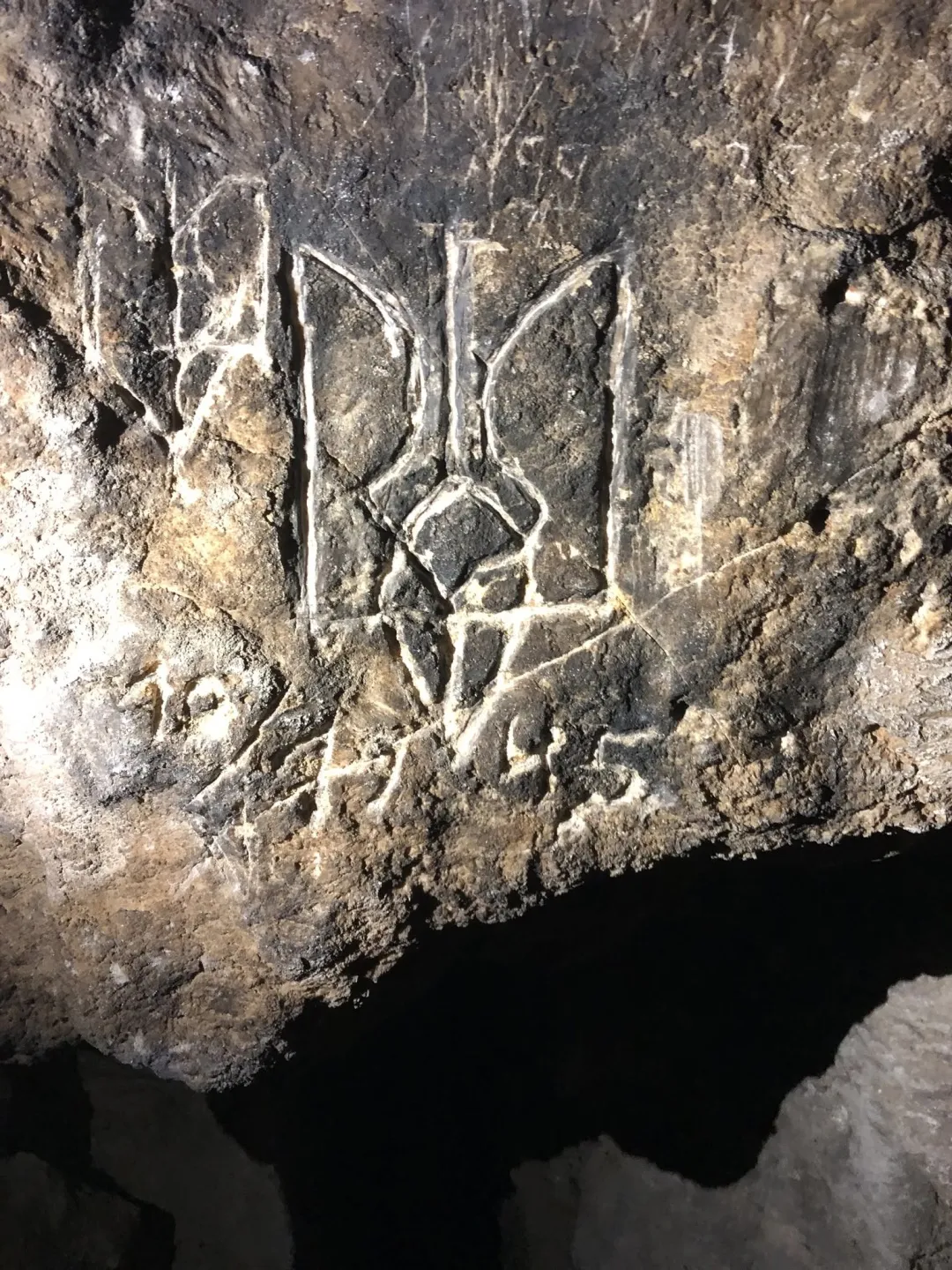
According to him, images of tridents were spotted in several places in the already known part of the cave.
“We know that insurgents hid in many caves in the 1940s. It’s likely that the ‘Na Khomakh’ cave also served as a refuge for them,” Kasyan added.
Read also: A mother and her young daughter live high up in the Carpathians


