
There are plans to mention the Volhynia tragedy in the report on Ukraine's progress toward EU membership
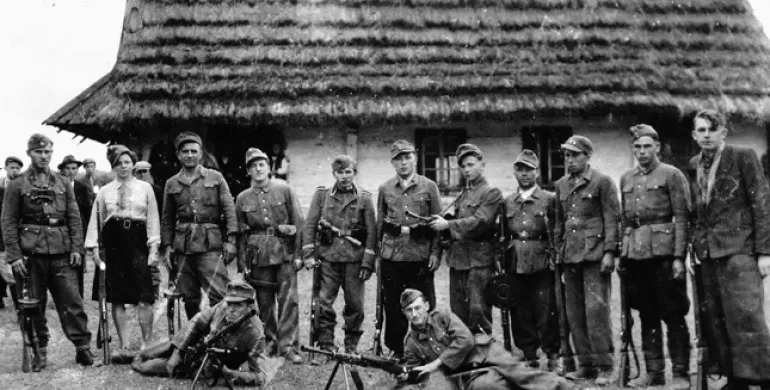
The European Union is proposing to include the Volhynia tragedy in the official assessment of Ukraine’s progress toward membership. This could change the approach to EU enlargement and make historical disputes part of the negotiation process. The initiative has already drawn attention both in Poland and within European institutions.
The European Union has once again raised the issue of the Volhynia tragedy, but this time not as a separate historical debate between Kyiv and Warsaw, but as a potential element of the official assessment of Ukraine’s progress toward European integration, which could complicate the political process of EU accession. According to RMF24, an amendment to the report on Ukraine’s progress toward EU membership has been submitted to the European Parliament. It was drafted by the European People’s Party, which includes the Polish coalition parties—the Civic Coalition and the Peasants’ Party. The proposal calls for the Volhynia tragedy to be directly linked to the assessment of Ukraine’s progress toward EU membership.
Andrzej Galicki, a Member of the European Parliament from the “Civic Coalition,” explained that the proposal involves adding a corresponding clause to the section concerning Ukraine’s accession process. According to him, this would make the historical issue part of the formal European assessment, rather than merely a subject of bilateral discussions between countries.
If the amendment is adopted, it will set a new precedent, as historical disputes could for the first time be integrated into the mechanism for evaluating a candidate country for European Union membership. This was reported by RMF24.
In 2025, Poland issued 346,885 visas to foreigners, which is 10.75% fewer than the previous year and 36.19% fewer compared to 2023. The decline in the number of visas issued is linked to changes in the visa system, which have made the application process more complicated in order to close loopholes and strengthen control over migration processes.


