
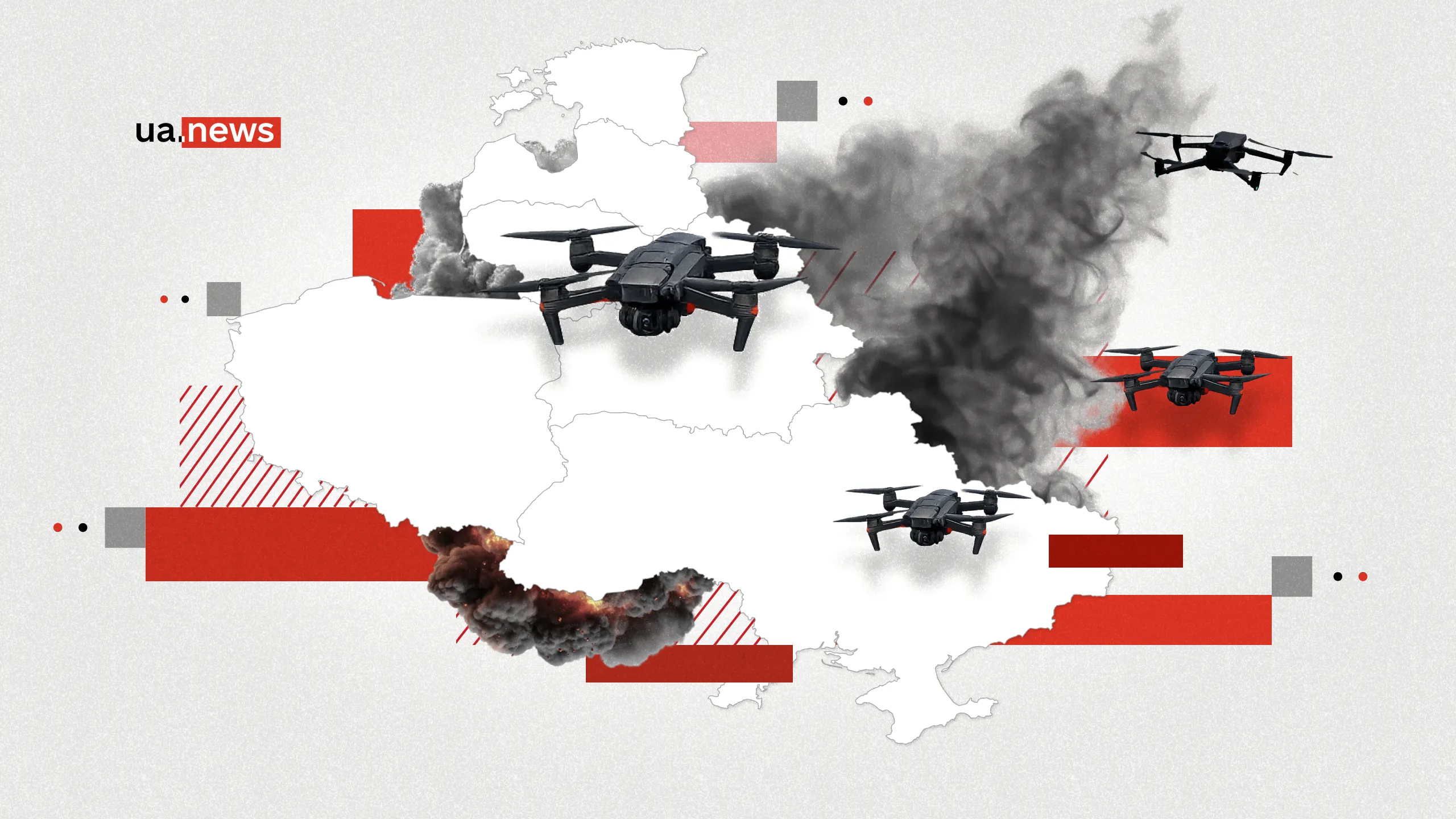
The strategy of taking the war onto enemy territory through drone strikes has begun to shift the balance of power in the conflict with Russia. Military analysts are speaking of a new phase of the war and the failure of Russian air defense.
But this new wave of airstrikes has also revealed certain weaknesses in this strategy: Ukrainian drones have increasingly begun to veer off course and enter the airspace of Estonia, Lithuania, and Latvia. In the Baltics, there is talk of Russian provocations and electronic warfare operations, but at the same time, they are calling on Kyiv to exercise greater caution to avoid the risk of direct escalation between NATO and Russia.
Some Western and Ukrainian experts emphasize that the Russians are using electronic warfare not just to knock drones off course, but to guide them toward specific targets. This could indicate that Russia is preparing new provocations.
Why NATO aircraft began shooting down drones that had strayed off course, and how Ukrainian military experts explain the Alliance’s new tactics—UA.News reports.
Incidents involving Ukrainian drones
Since the beginning of 2026, Ukraine has increased long-range attacks deep into Russia by 170%. In May alone, ten of Russia’s largest oil refineries came under attack. The Defense Forces have targeted military-industrial complex facilities, energy infrastructure, and transportation hubs on the Baltic Sea. Particular attention is being paid to the ports of Ust-Luga and Primorsk, located near the borders of Estonia and Finland.
Attacks by Ukrainian drones have significantly altered logistics and the security situation in Russia’s rear. At the same time, reports have emerged of incidents involving “stray” drones entering the airspace of some NATO countries, including Latvia, Lithuania, and Estonia. Military drones, later identified as Ukrainian, veered off course and entered the airspace of these countries.
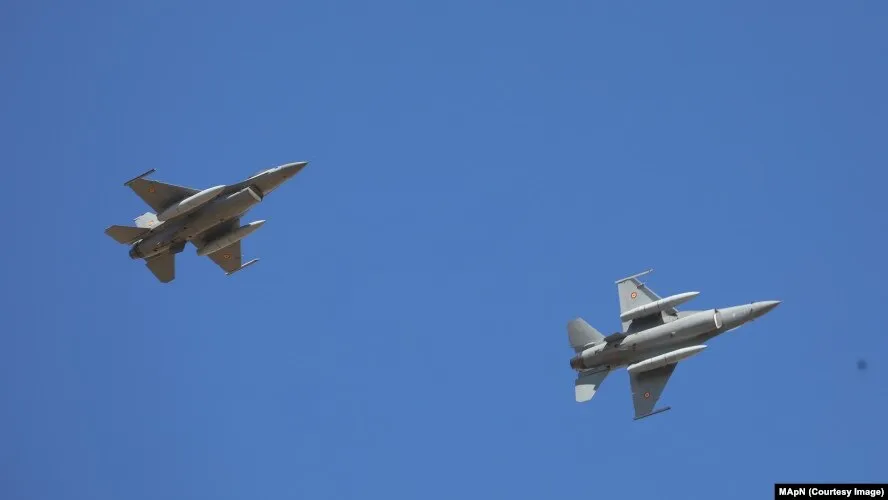
The most high-profile incident occurred on May 19, 2026, when a Ukrainian drone entered Estonian airspace and was subsequently shot down by a NATO fighter jet (a Romanian F-16). Ukrainian officials issued an official apology, explaining that the drones were intended for Russian military and oil infrastructure in the Leningrad region but had been knocked off course.
On the morning of May 20, a red air raid alert was declared in several eastern districts of Lithuania and in Vilnius due to a suspected incursion by a military drone. This severely disrupted the normal rhythm of life for city residents. The country’s top leadership was also directed to take shelter. The National Security Commission held an emergency meeting, after which Lithuanian Prime Minister Inga Ruginiene stated that from now on, local authorities must ensure that shelters operate around the clock.

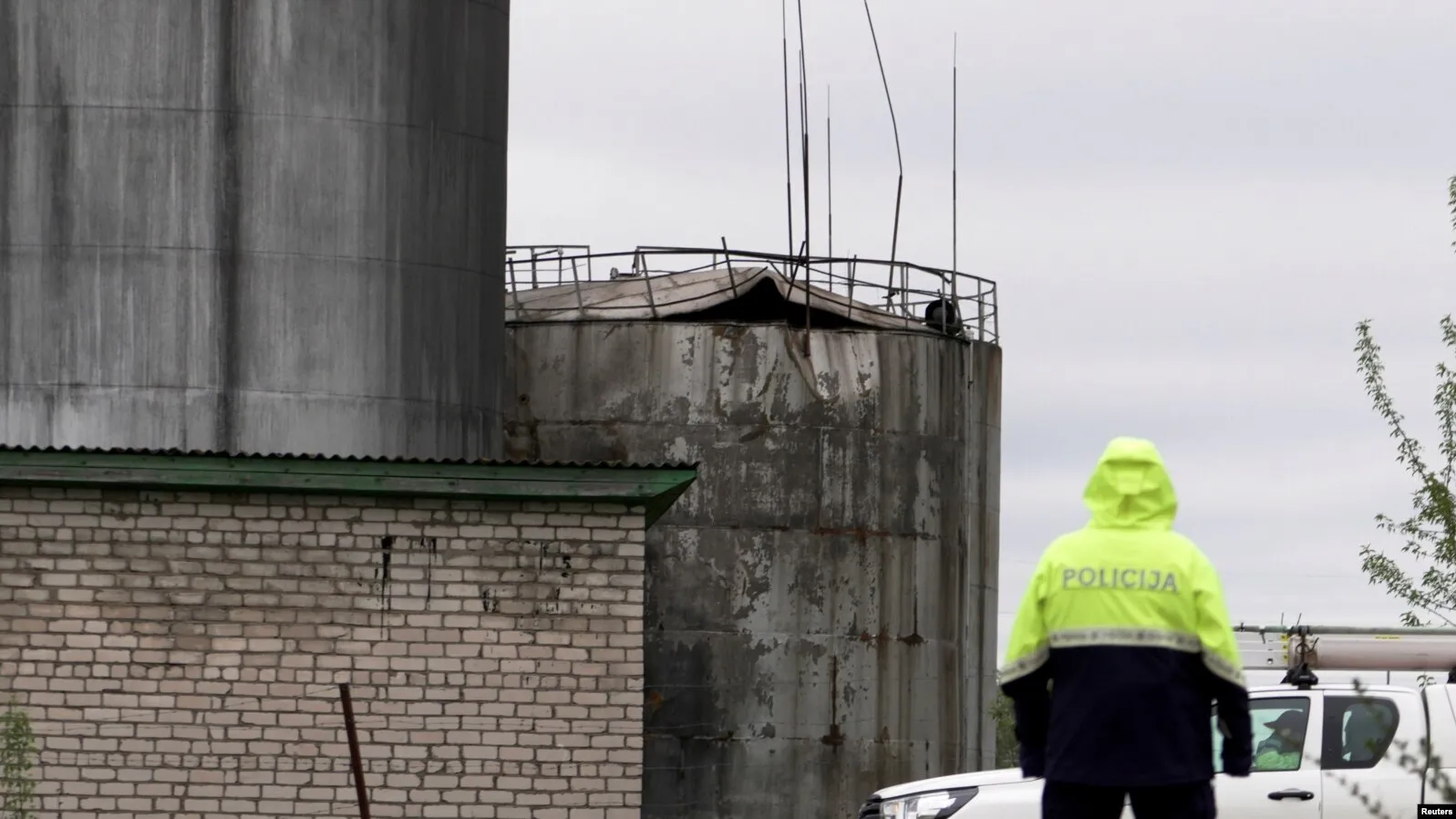
On May 21, the Latvian Armed Forces scrambled NATO aircraft and urged residents of eastern regions to seek shelter indoors following yet another drone incursion from Belarus. One of the previous such incidents occurred on May 7 and led to a political crisis. At that time, three drones appeared in Latvian airspace simultaneously. One drone crashed to the ground, another crashed into an empty oil storage facility near the city of Rēzekne. The third UAV entered Latvian airspace and flew out of it. There were no casualties or injuries, but a scandal erupted over the defense ministry’s inadequate response. Ultimately, due to security issues, the Latvian government was forced to resign.
Commenting on these incidents, official Kyiv stated that the cause was Russian electronic warfare capabilities: GPS spoofing (tampering with GPS signals); jamming of navigation systems; and massive electronic warfare coverage near the borders of the Russian Federation.
The Ukrainian Ministry of Foreign Affairs officially apologized to the Baltic countries. Foreign Ministry spokesperson Heorhiy Tykhyi assured: “Ukraine does not use NATO airspace to attack Russia, and the drones are being diverted due to Russian electronic warfare.”
Political Reaction
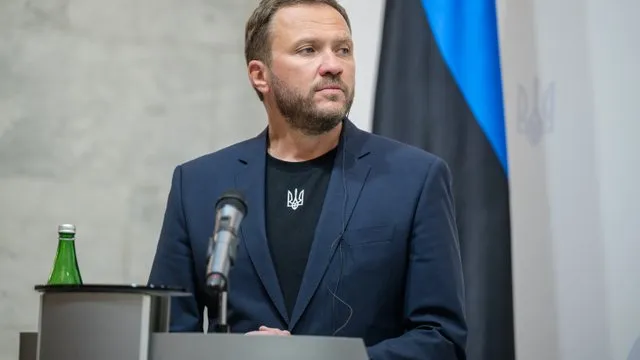
Representatives of the Baltic countries officially acknowledge that Moscow is behind the incidents. However, they demand that Kyiv be more cautious in planning the routes of its drones. Estonian Foreign Minister Margus Tsahkna confirmed in an interview with Western media that Ukrainian drones appear over Estonian territory solely because of Russia’s use of electronic warfare measures that knock them off course.
“These are the consequences of Russia’s aggressive war against Ukraine. This is a desperate move by the Russian Federation aimed at dividing Western allies and increasing pressure to force us to tell the Ukrainians to stop their attacks. Because Ukraine is striking at their vital supply lines,” the foreign minister noted.
According to him, Estonia supports Ukraine’s right to strike targets in Russia. He added that both countries are in constant contact on these issues, though he urged Kyiv to be more cautious.
Polish Defense Minister Vladislav Kosiniak-Kamysz voiced a strong stance regarding Ukrainian “stray” drones. During a visit to Estonia, he stated: “Ukraine must be very precise in its use of drones to avoid Russian interference in their flight paths. Ukraine, of course, must be more cautious here so as not to give Russia a pretext for provocations.”
The Polish defense minister also emphasized that the territories of the Baltic states “must not be violated; they must not be subjected to threats.”
Expert assessments
These drones could have strayed off course due to the influence of the Russian electronic warfare system and were in no way directed against targets on the territory of the Baltic states, military analyst Denis Popovich emphasizes. Commenting on the incidents involving Ukrainian “stray” drones, he notes that Russia has already used off-course drones as an element of hybrid warfare.
“When we talk about Russian drones, this is undoubtedly an element of hybrid warfare. Even Ukrainian drones that have been knocked off course are already being used by Russia to, contrary to all logic, accuse the Baltic states of allegedly providing us with territory to launch UAVs. All of this only reinforces the suspicion that Russia may be preparing a hybrid operation against the Baltic states,” says Denys Popovich.
The shooting down of drones over Estonian territory on May 19 demonstrated that while previously the air defense systems of the Baltic states and NATO did not respond to airspace violations by the Ukrainian side, NATO air defense has now demonstrated its readiness to neutralize weapons of war regardless of their country of origin. In other words, whether they are Ukrainian or Russian—no one cares. If there is a violation of airspace, the drone is immediately neutralized, notes military analyst Dmytro Snegirev.
“Why this change in stance? NATO countries faced the issue that the use of airspace could create a precedent—the so-called ‘Casus Belli.’ That is, the possibility of a direct military strike by the Russian Federation. We’re not even talking about a limited military operation. But about strikes with conventional weapons—aerodynamic and aeroballistic—on the territory of the Baltic states. And they fully understand these risks.
Accordingly, the downing of the Ukrainian drone is linked to this. NATO countries have made it clear that they will not be drawn in as a third party to a war with the Russian Federation. This signal was intended for both Kyiv and Moscow.
This clearly demonstrates a shift in the tactics and strategy of NATO countries. Moreover, this is happening against the backdrop of events unfolding directly within the Russian Federation itself: the State Duma’s adoption of a law permitting the use of the occupying country’s armed forces to protect so-called compatriots or citizens of the Russian Federation, as well as statements regarding the Baltic states and the Russian Federation’s military activity on NATO’s borders.
This concerns not so much Estonia and Latvia as military exercises and the deployment of military equipment and personnel to the borders with Finland. Moscow has also made territorial claims against Sweden regarding the island of Gotland.
After analyzing all this, the NATO alliance decided to prevent a Casus Belli scenario from occurring, so as not to allow the Russian Federation to implement such scenarios. Moreover, these scenarios could be implemented regarding the Suwalki Corridor. This is the greatest danger to the NATO alliance, which they are taking into account.
Incidentally, Russian rhetoric shifted precisely after the meeting between the heads of the intelligence services of the Russian Federation and the Republic of Belarus. Russia made it clear that it is considering options for intervention not only against the Baltic states, but primarily against Poland in the event of the creation of the Suwalki Corridor.
Regarding the Ukrainian side. This was a clear signal that the continued use of airspace to strike port infrastructure on Russian territory via the airspace of the Baltic states will require significant adjustments by the Ukrainian side when planning routes.
In a way, this could affect the effectiveness of Ukrainian strikes on infrastructure facilities in the Leningrad Oblast. There, we are most interested in the Kirish Oil Refinery—one of the largest in the Russian Federation. It is not only the largest in terms of capacity but also the most modernized. Accordingly, Primorsk and Ust-Luga serve as transit points for liquefied gas and petroleum products, which finance the active phase of hostilities in Ukraine.
These are the main signals regarding the “stray” drones. We can state that these signals were intended for both the Ukrainian and Russian sides.”




