Zazhynky is one of the oldest Ukrainian folk rituals, symbolizing the start of the harvest. On this day, farmers would go out into the fields for the first time, cut the first ears of the new crop, and reap the first sheaf, which they considered special and almost sacred. The tradition combined hard work, gratitude to the earth, and faith in a bountiful harvest.
The holiday did not have a fixed date, as it depended on the weather, the grain variety, and the time of ripening. Most often, Zazhynky was held in the summer—in July or early August—when the wheat and rye were already ripening. Different regions of Ukraine celebrated this day in different ways, but the main symbol remained the same—the first sheaf from the new field.
Where Does the Tradition of Zazhynky Come From?
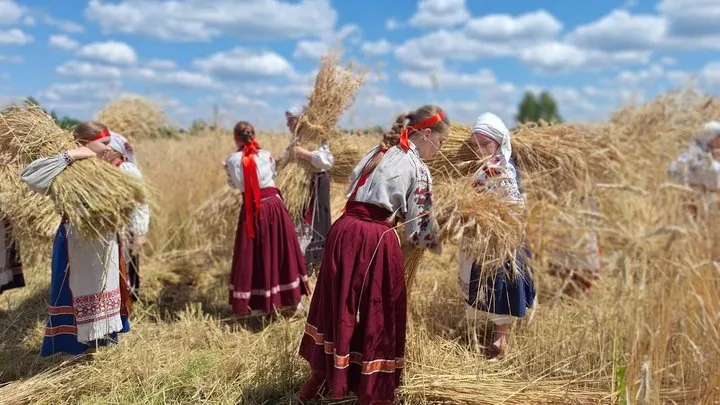
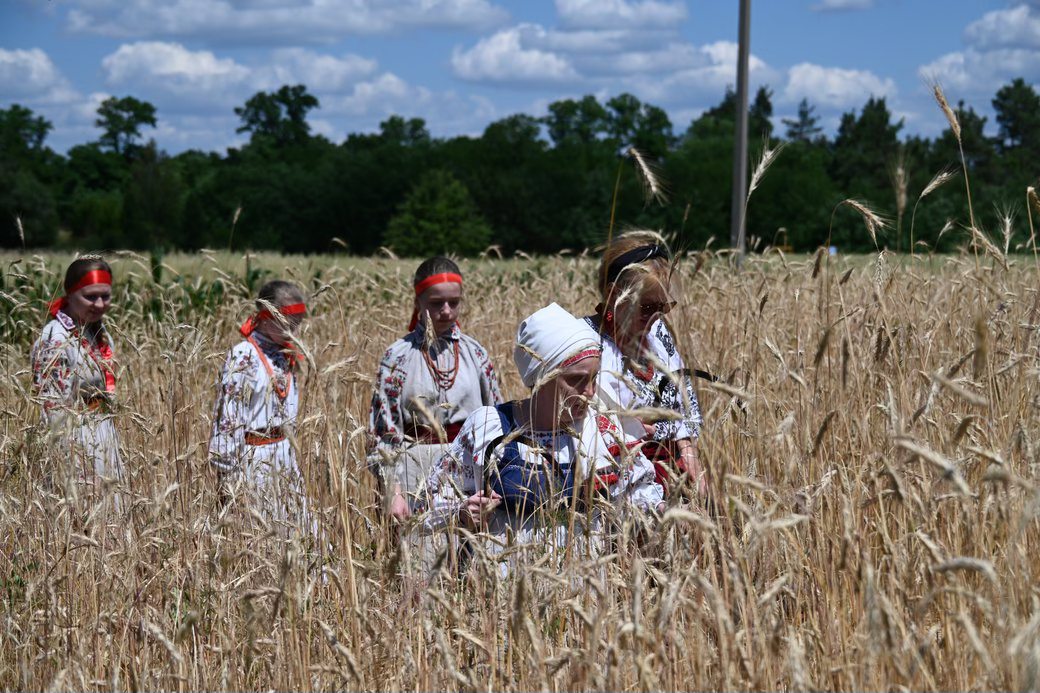
The harvest festival dates back to pre-Christian times, when agriculture was the foundation of Ukrainian life. For our ancestors, the field was not just a place of work, but a part of nature that had to be respected and thanked for its gifts. That is why the start of the harvest was accompanied by special rituals, songs, and good wishes. Before heading out to the field, farmers often put on festive clothing. Women would adorn their heads with wreaths of wildflowers, and the first trip to the field was accompanied by prayers or traditional wishes for a bountiful harvest.
The first sheaf cut held special significance. It wasn’t simply left among the others—it was imbued with symbolic meaning. Such a sheaf was called the “first sheaf,” “didukh,” or “master of the field,” depending on local traditions. It was believed that the very first sheaf held the power of the new harvest and protected the home from misfortune. It might be placed in a place of honor in the house, used in winter rituals, or kept until the next harvest.
How the First Sheaf Ceremony Was Conducted
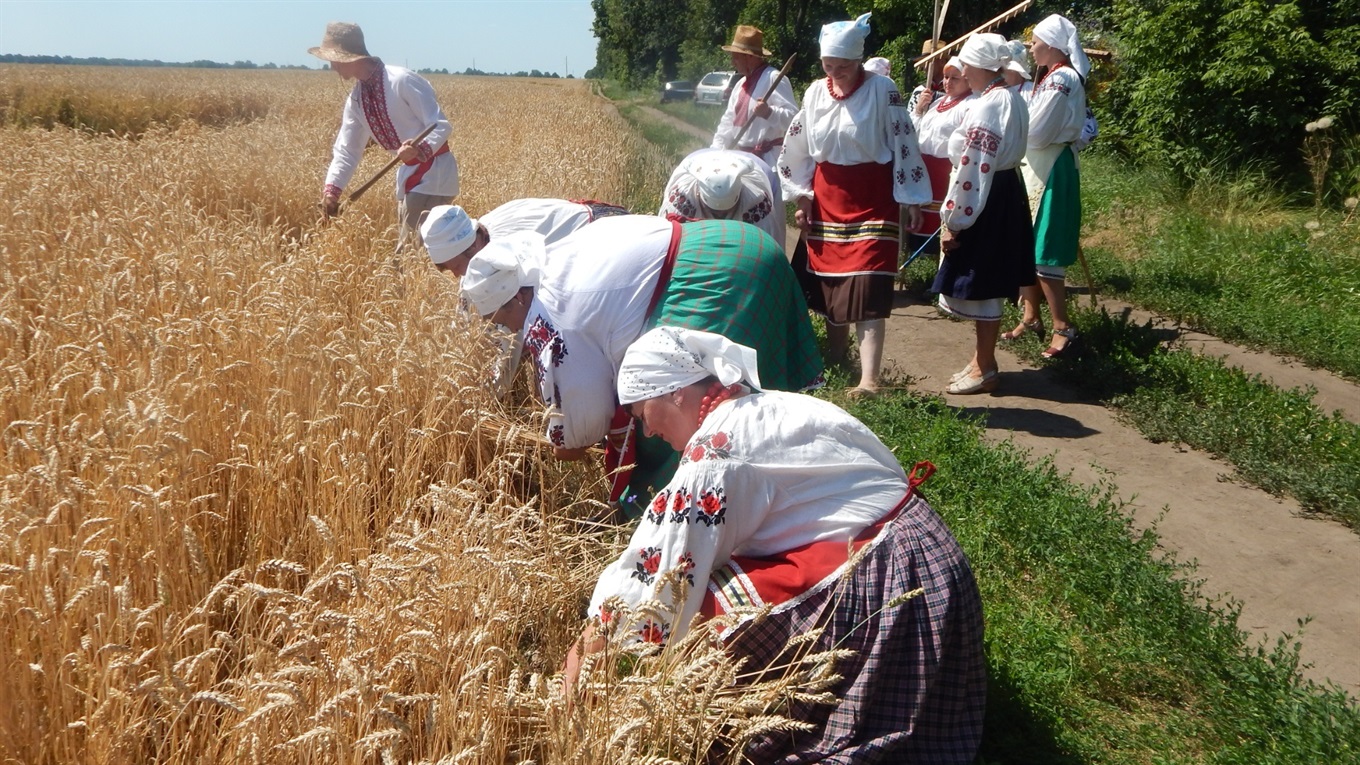
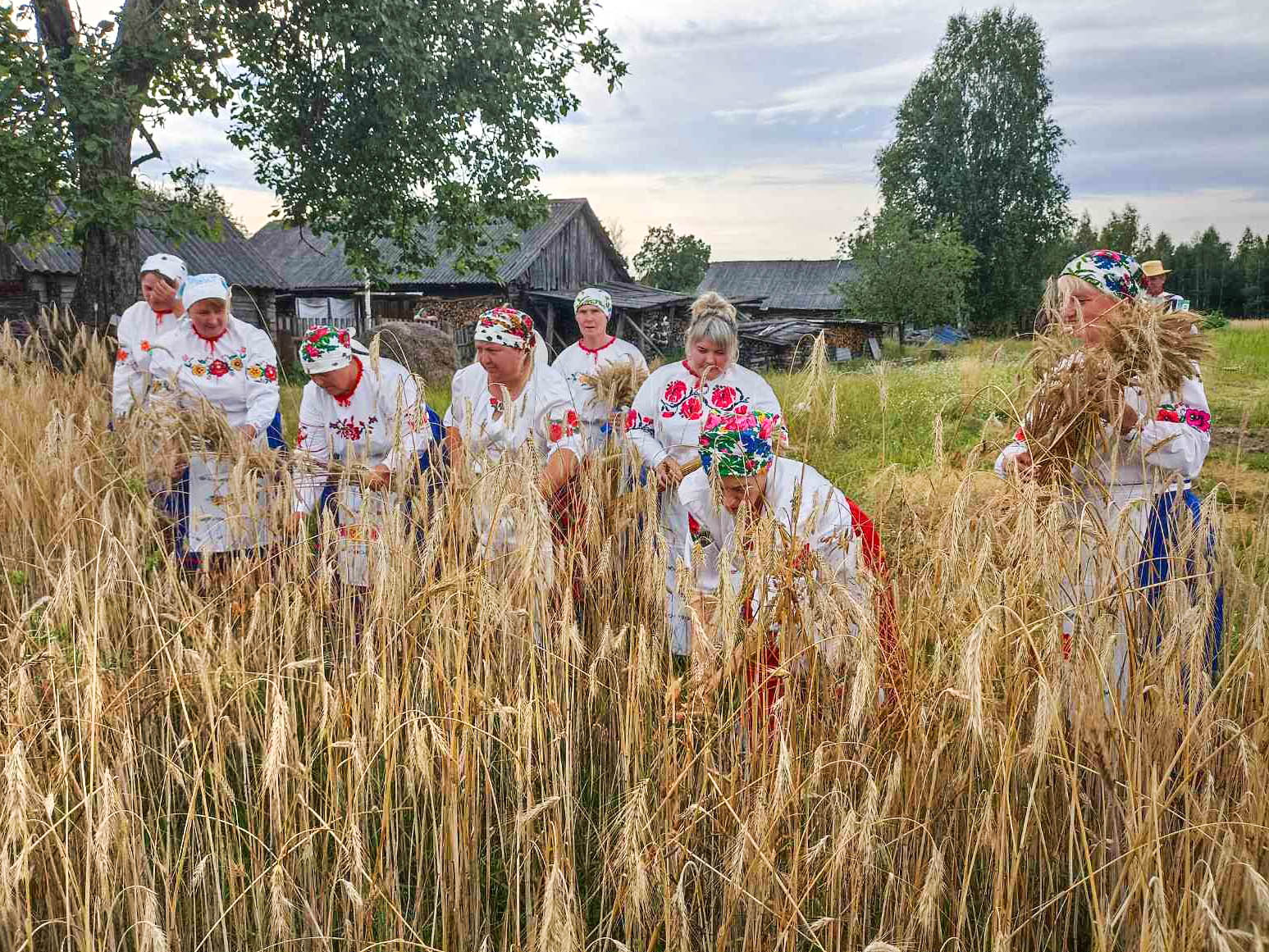
Traditionally, the first person to enter the field was the housewife or the oldest woman in the family. She would cut the first few ears of grain with a sickle, after which the entire family or community would join in the work. The first sheaf was often decorated with ribbons, flowers, or herbs. It might be wrapped in a towel and carried home in a ceremonial procession. In some regions, after the harvest-opening ceremony concluded, a small feast was held for the family and neighbors.
During the harvest, Ukrainians sang special harvest songs. In these songs, they asked for good weather, thanked nature, and expressed their hope that their labor would bring prosperity. Such songs helped maintain the rhythm of work and created a special atmosphere of togetherness. In addition to songs, there were other ritual practices. For example, farmers might leave a few uncut ears of grain in the field—the so-called “beard”—as a symbol of gratitude to the earth and a wish for a future harvest.
Why the Harvest Festival Was Important to Ukrainians
For Ukrainian villages, the harvest was one of the most important times of the year. Whether a family would have enough food in the winter depended on how successfully the grain was harvested. That is why the start of the harvest was viewed not merely as work, but as a significant event.
The harvest festival symbolized the connection between people and the earth. Ukrainians believed that their attitude toward nature influenced the future harvest, so they tried to begin the harvest with respect and good wishes. This ritual also brought people together. The harvest was often a communal effort: relatives helped one another, and the community supported those who found it harder to manage on their own.
Interesting Facts About the First Sheaf
In many Ukrainian villages, there was a tradition of saving the first sheaf until winter. During the Christmas holidays, it could be used as a symbol of prosperity and the continuation of life. The harvest festival has much in common with other European agricultural traditions. Similar rituals existed among Slavic peoples, but it was in Ukraine that they took on special significance due to the importance of grain crops in folk culture.
Ukrainian harvest festival songs, rituals, and customs have survived to this day. They are reenacted during folk festivals, ethnographic events, and community celebrations. Today, the harvest festival is no longer a mandatory ritual for most people, yet it remains an important part of Ukrainian cultural heritage. It serves as a reminder of just how vital bread, the land, and the labor of those who cultivated it were to our ancestors.
Zazhynky Today
In modern Ukraine, the first sheaf ceremony is often held as part of folk festivals or celebrations. People reenact ancient rituals, wear traditional clothing, sing folk songs, and symbolically cut the first sheaf.
For farmers and agricultural workers, the start of the harvest remains an important event even today. After all, despite modern machinery and new technologies, the essence of the harvest festival has not changed—it is a expression of gratitude for the harvest and respect for the land. The harvest festival serves as a reminder that Ukrainian culture has always been closely tied to nature, labor, and bread. The ancient ritual of the first sheaf has endured for centuries and remains a symbol of the Ukrainian people’s continuing traditions.