
The share of oil and gas in the Russian economy has fallen to a nine-year low
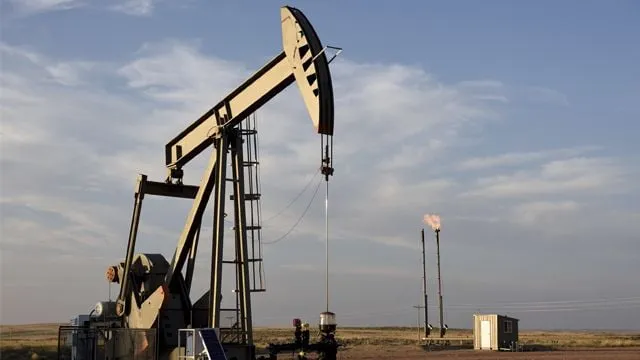
In 2025, the oil and gas sector’s share of Russia’s GDP fell to 13%, the lowest level since 2017.
This is evidenced by Rosstat data, according to . Even during the coronavirus pandemic, this figure remained higher, at 14%.
The sector’s share fell sharply over the course of the year: from 15.5% in the first quarter to 11.6% in the fourth. The main factors behind the stagnation were international sanctions, production limits under OPEC+ agreements, low global prices, and a relatively strong ruble. Due to the drop in oil prices, oil and gas companies’ profits fell by nearly three times, and the number of profitable companies in the sector dropped below 50%.
This directly impacted the Russian budget, whose oil and gas revenues decreased by a quarter over the year. Despite official GDP statistics, the real role of energy resources remains significantly greater, as export rents are distributed through government spending and high wages in the industry. However, the current trend indicates a forced weakening of the oil and gas sector’s influence on the Russian economy due to isolation from global markets. The country’s leadership is forced to revise budget plans as early as the first months of the year due to a lack of expected revenues. The rapid devaluation of the energy sector jeopardizes Russia’s ability to finance large-scale state programs.
Russia is seeing a deterioration in the economic situation and an increase in the risk of loan defaults.
After three years of unexpected economic growth, Russia is facing a sudden slowdown—war costs, inflation, and falling oil prices have begun to weigh on an economy that until recently seemed resilient to sanctions.
Consumer lending in Russia has fallen to a six-year low.


