
Following the attack on Moscow, panic and distrust of the authorities are growing in the regions of the Russian Federation
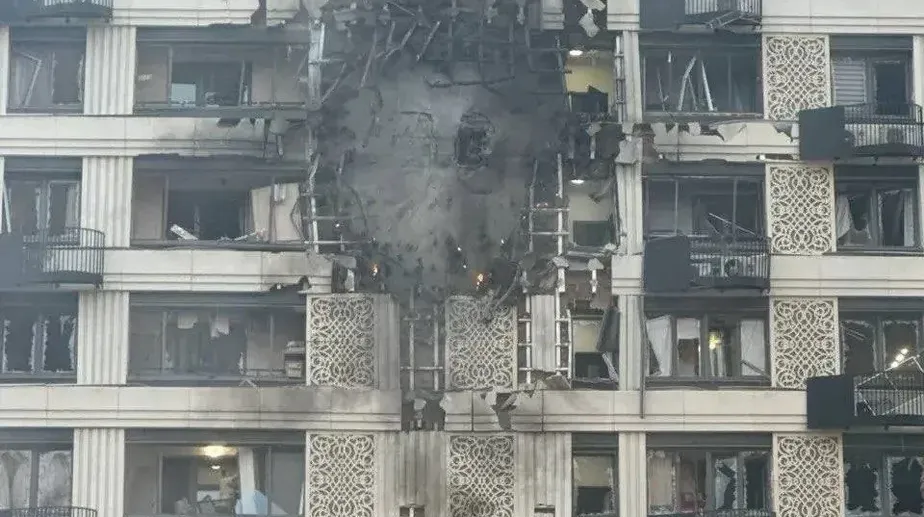
The largest-scale drone attack on the Moscow region, which took place on the night of May 17, 2026, triggered a noticeable rise in panic, fear, and war fatigue among citizens of the aggressor country. Monitoring of local media sources indicates that residents of rural Russia are increasingly distrustful of official Kremlin statements and are increasingly calling for an end to hostilities against Ukraine.
This is reported by analysts from the civil society organization Join Ukraine, according to Unian.
The organization’s experts conducted a detailed analysis of public sentiment within Russian society, examining approximately 410 sources, including regional Telegram channels, city-based public groups on the social network VKontakte, and local media across the Russian Federation, as well as in the temporarily occupied territories of Ukraine. According to Andriy Sukharina, head of analytics at Join Ukraine, such monitoring allows for the capture of genuine reactions, emotions, and criticism from citizens, which are heavily censored and never make it onto Russian federal television channels.
The study showed that the greatest surge of irritation, sarcasm, and open dissatisfaction was recorded precisely in the deep rear regions of the Russian Federation—specifically in Tatarstan, the Novosibirsk and Sverdlovsk regions, and the Krasnoyarsk Territory. Following the strikes on Moscow, residents there began to massively question the effectiveness of Russia’s air defense system and the Russian Ministry of Defense’s traditional statements about “control over the situation” and “shooting down all targets.” In comments and posts by Russians, despair, criticism of the military-political leadership, and direct calls to immediately halt the so-called “special operation” are increasingly evident.
On the night of May 17, a number of Russian military-industrial complex and energy facilities in Moscow and the Moscow region were struck. Strikes were carried out on an oil depot in Durikino, an oil refinery in Kapotnya, the Angstrom microelectronics plant, and the Raduga Design Bureau, which develops cruise missiles.
On the morning of May 16, Moscow also came under attack by drones, causing airports in the Russian capital to temporarily suspend operations.
The “ATESH” partisan movement claimed responsibility for a sabotage operation in the Moscow region, which disrupted the functioning of elements of the Russian air defense system on the outskirts of the capital.


