$ 44.35 € 51.49 zł 12.14
+13° Kyiv +22° Warsaw +14° Washington

Ukraine's Drone Revolution: From the Front Lines to Deep Inside Russia
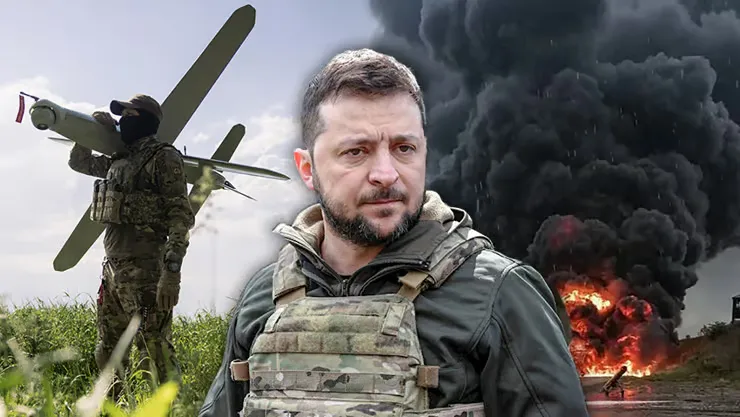
Ukraine's Drone Revolution: From the Front Lines to Deep Inside Russia

During the full-scale war, Ukraine has come a long way—a journey that would have seemed nearly impossible in peacetime: from DIY solutions and the adaptation of civilian drones to the creation of one of the world’s most powerful drone ecosystems. 

What began as a forced improvisation on the front lines has turned into a technological revolution that is impacting not only the battlefield but also the global defense industry. Today, other countries—including Israel, which sees direct parallels to its own challenges—are closely studying Ukraine’s experience.
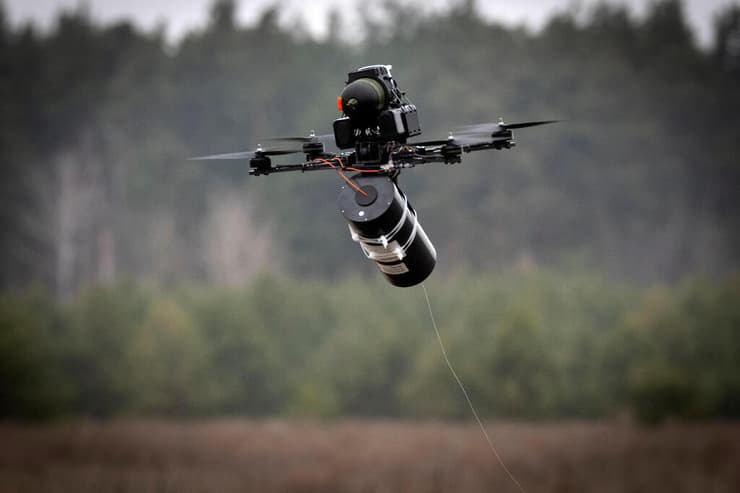
 

At the start of the war, things looked very different: Ukrainian military personnel and volunteers were essentially learning on the fly how to turn civilian Chinese drones equipped with cameras into instruments of war, attaching explosives to them and testing them directly in combat conditions. It was a period when there was no established system, when every decision was born out of an “here and now” need, and mistakes often came at a very high cost.

FPV волоконно-оптический дрон Украина Киев 29 января


But very quickly, this spontaneous story began to change: instead of isolated initiatives, the first manufacturers appeared, then dozens of companies, and eventually—a full-fledged industry operating as a separate ecosystem. By 2025, Ukraine had already reached a production level of millions of drones per year, and these unmanned aerial vehicles became not just an auxiliary tool, but effectively a new form of “mass artillery” that operates quickly, accurately, and significantly more cheaply than traditional weapon systems.

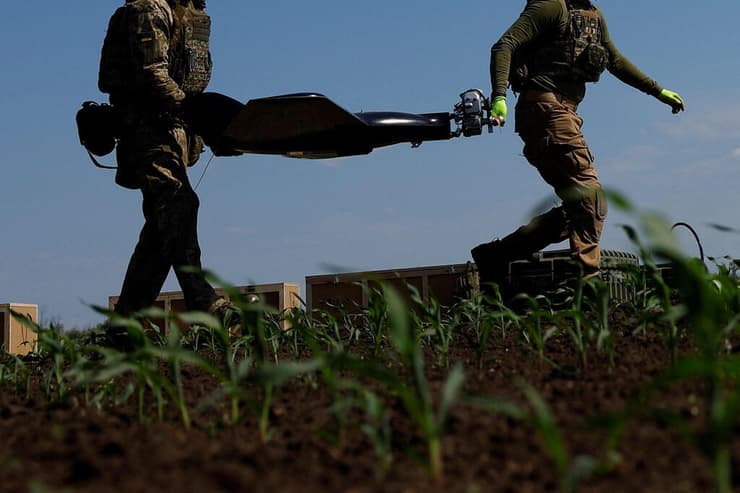
Украинский солдат несет беспилотник-камикадзе с 3,5 кг взрывчатки, дальность действия которого составляет 100 км, в Харьковской области, война с Россией, 22 мая.


On the front lines, this has led to the emergence of the concept of a “kill zone” or “death zone,” where any movement of equipment or even a single soldier can be detected and attacked within minutes. Small FPV drones, controlled by operators from shelters or even underground bunkers, have become a critical deterrent, allowing for the containment of significantly larger enemy forces without a numerical advantage in manpower.

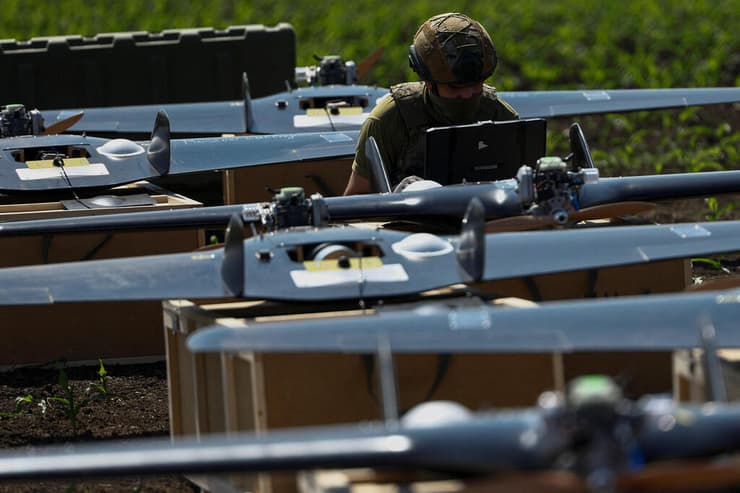
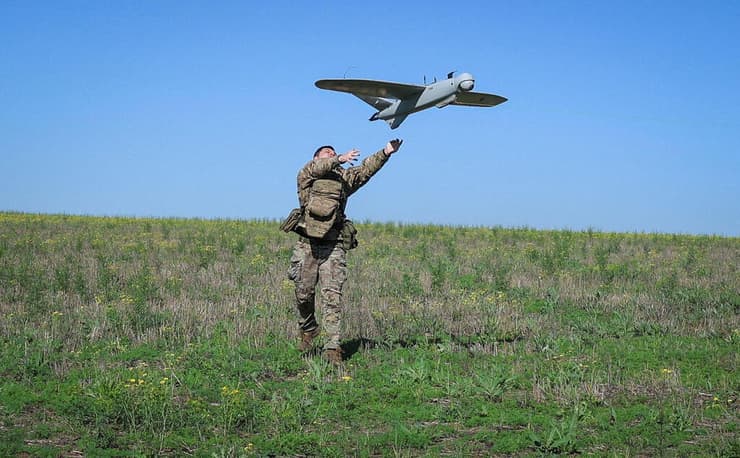
Запуск украинскими военными ударных беспилотников средней дальности


Under these conditions, warfare has become highly technological and, at the same time, very “cheap” in certain segments: drones costing a few hundred dollars can destroy equipment worth millions, and reaction speed has become more important than scale. At the same time, classic military maneuvers have begun to lose their effectiveness, as every movement in open terrain is instantly detected by dozens of “eyes in the sky.”

Запуск украинскими военными ударных беспилотников средней дальности


A separate front has emerged in the form of a strategic drone campaign deep into Russia, where Ukrainian drones are attacking energy facilities, oil refineries, and military infrastructure at distances of hundreds and even over a thousand kilometers. This is no longer just a frontline war, but systematic pressure on the rear, affecting the economy, logistics, and the sense of security within Russia.


At the same time, Ukraine has transformed its production model. Instead of a large centralized system, a network of hundreds of companies and startups operates here, many of which came from the civilian sector and quickly pivoted to meet the needs of the front lines. This structure allows for rapid technology updates: drones are tested on the front lines, receive upgrades in just a few weeks, and return to combat already improved.

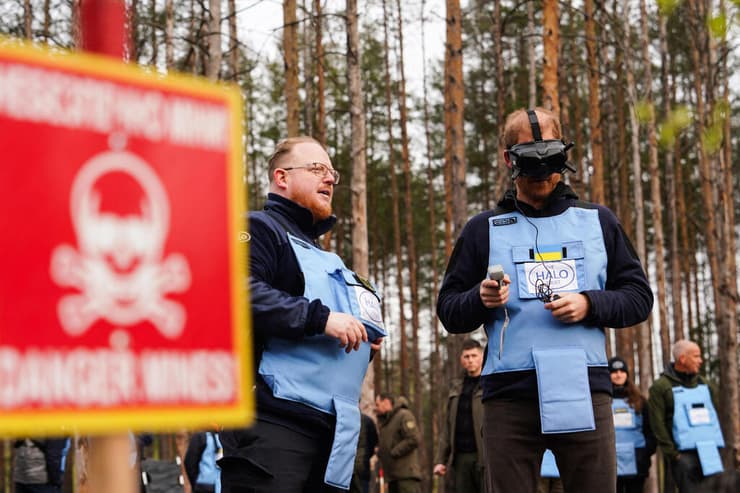
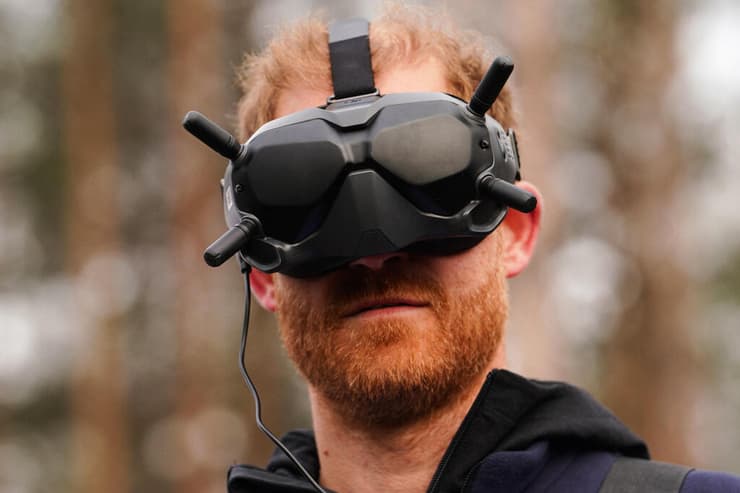
Принц Гарри рассматривает возможность использования беспилотников для обезвреживания мин во время визита в Киев, Украина, 24 апреля.


The introduction of autonomous systems and artificial intelligence components has also been a significant milestone. In modern models, a drone can partially maintain target lock autonomously even if it loses communication with the operator, making it less vulnerable to electronic warfare. Additionally, fiber-optic control systems are being actively developed, allowing drones to bypass obstacles and signal jamming.

Принц Гарри рассматривает возможность использования беспилотников для обезвреживания мин во время визита в Киев, Украина, 24 апреля.


As a result, Ukraine is now perceived not merely as a participant in the war, but as a country that is effectively shaping a new military doctrine for the 21st century. Its experience is already extending beyond the conflict and becoming a subject of study for other armies seeking to understand what the war of the future will look like.

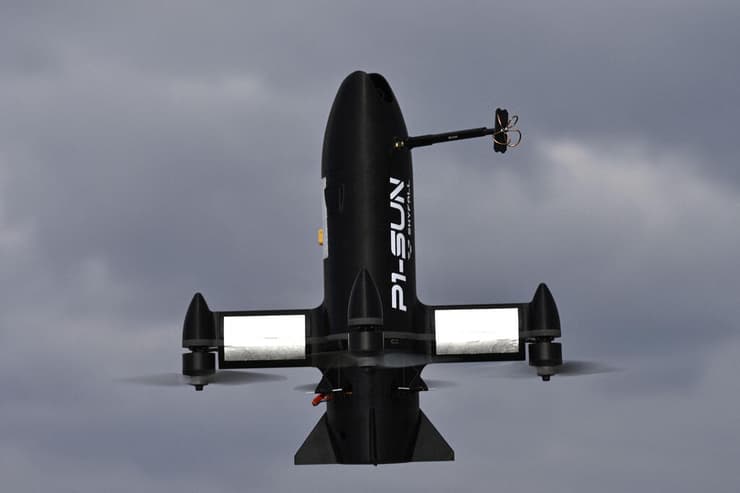
Украинский беспилотник-перехватчик P1-Sun


In this context, Ukraine’s ambassador to Israel emphasizes that the experience gained can already be critically important today for other countries facing similar threats. “We are fighting on the other side against the same axis of evil,” the diplomat stressed, noting that Ukraine’s technological solutions can help other states better protect their people and infrastructure.

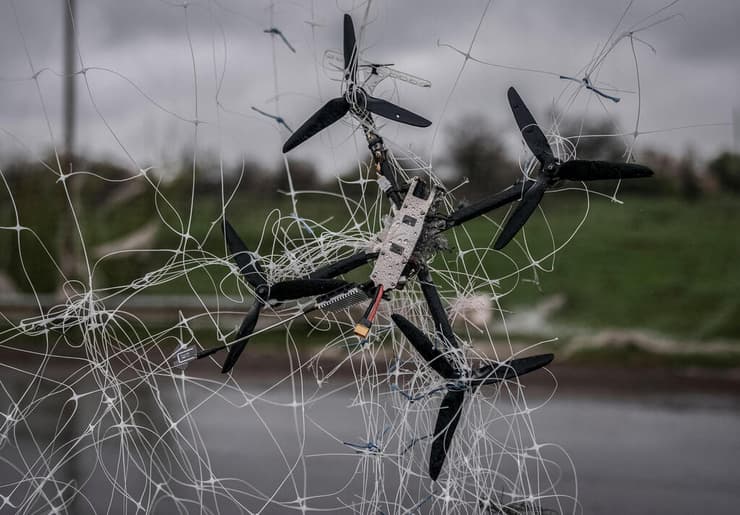
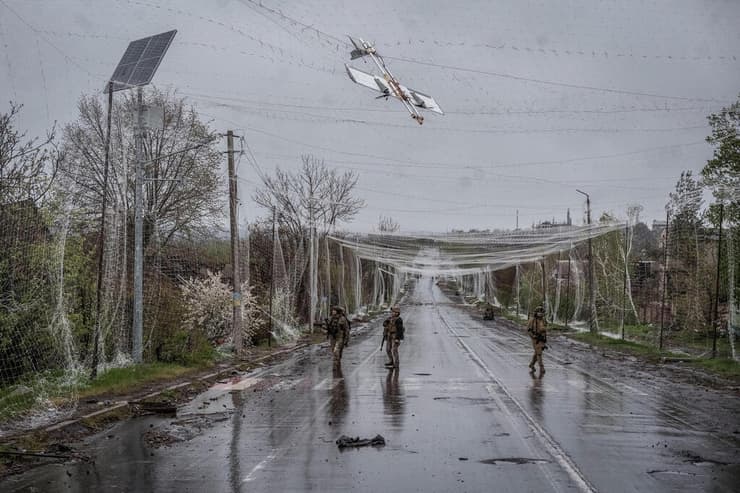
Российский беспилотник застрял в сети, проложенной украинскими военными в Донецкой области 24 апреля.


Russian forces attacked three districts in the Dnipropetrovsk region

Russia attacked Kharkiv and the region overnight; there are casualties

Over the past 24 hours, 291 combat engagements were recorded on the front lines between the Ukrainian Defense Forces and Russian troops, with the most intense fighting continuing in the Pokrovsk direction.

Over the past day, the Russian army lost another 1,430 soldiers in the war against Ukraine. Ukrainian defenders also destroyed dozens of artillery systems, hundreds of vehicles, and nearly 1,800 drones.


Read us on Telegram and Sends

Завантажуй наш додаток