
Photo: Russian propaganda has spread a new fake story about Zelenskyy
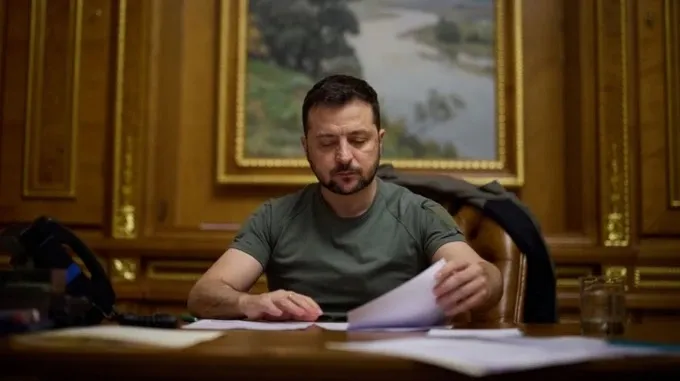
Russian propaganda outlets have once again spread false information about Ukrainian President Volodymyr Zelenskyy. During one of their broadcasts, viewers were shown a compilation of supposedly “recent” articles from European publications intended to discredit Ukraine. However, the origin and authenticity of these publications are questionable, and experts view them as yet another disinformation campaign.
This was reported by journalist Denis Kazansky.
Russian propaganda continues its attempts to create an alternative reality for its citizens. Recently, the state-run “Channel One” aired a segment featuring completely fabricated covers of leading European media outlets, which allegedly criticize and mock Ukrainian President Volodymyr Zelenskyy.
During a live broadcast, Russians were shown a selection of supposedly recent issues of European newspapers and magazines, all united by a single theme—the discrediting of Ukraine. In particular, the publications supposedly carried headlines such as “We Gave Money to a Drug Addict,” “The Sniffer,” “Goebbels on Cocaine,” and so on.
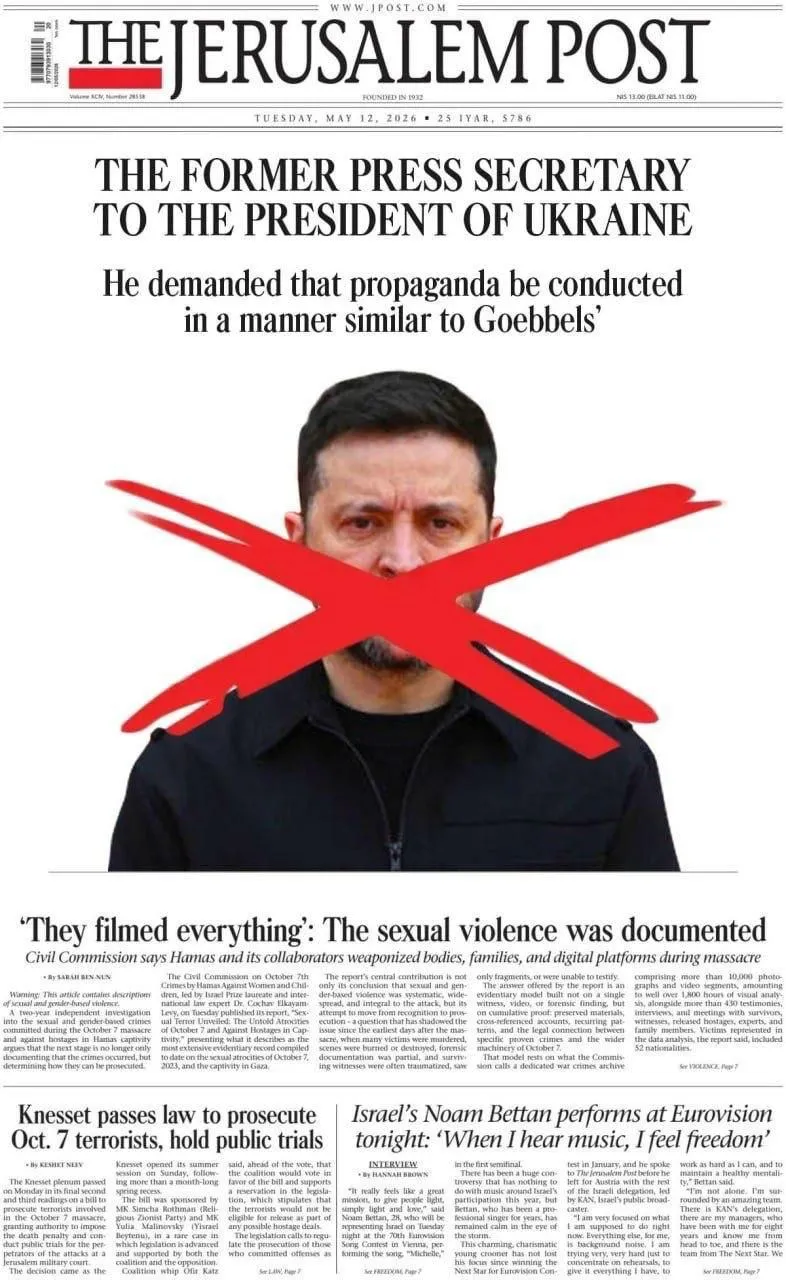

However, the deception was exposed immediately after a cursory check. All the “materials” shown turned out to be crude Photoshop creations, and the original archives of European publications prove that the issues from those dates had completely different content and visual design.
No such headlines or articles have ever existed in actual European media.


As a reminder, German Chancellor Friedrich Merz proposed introducing a new “associated membership” format for Ukraine within the EU until it obtains full membership status.
The European Union has moved to the practical stage of preparing Montenegro’s accession treaty. The country continues on its path toward EU integration and has declared its intention to become a member by 2028.
Ukraine hopes that the European Union will open all six negotiation clusters regarding the country’s accession this year and also anticipates the possibility of closing at least one of them by the end of the year.


