
ISW explained why Russia has scaled back its large-scale strikes on Ukraine
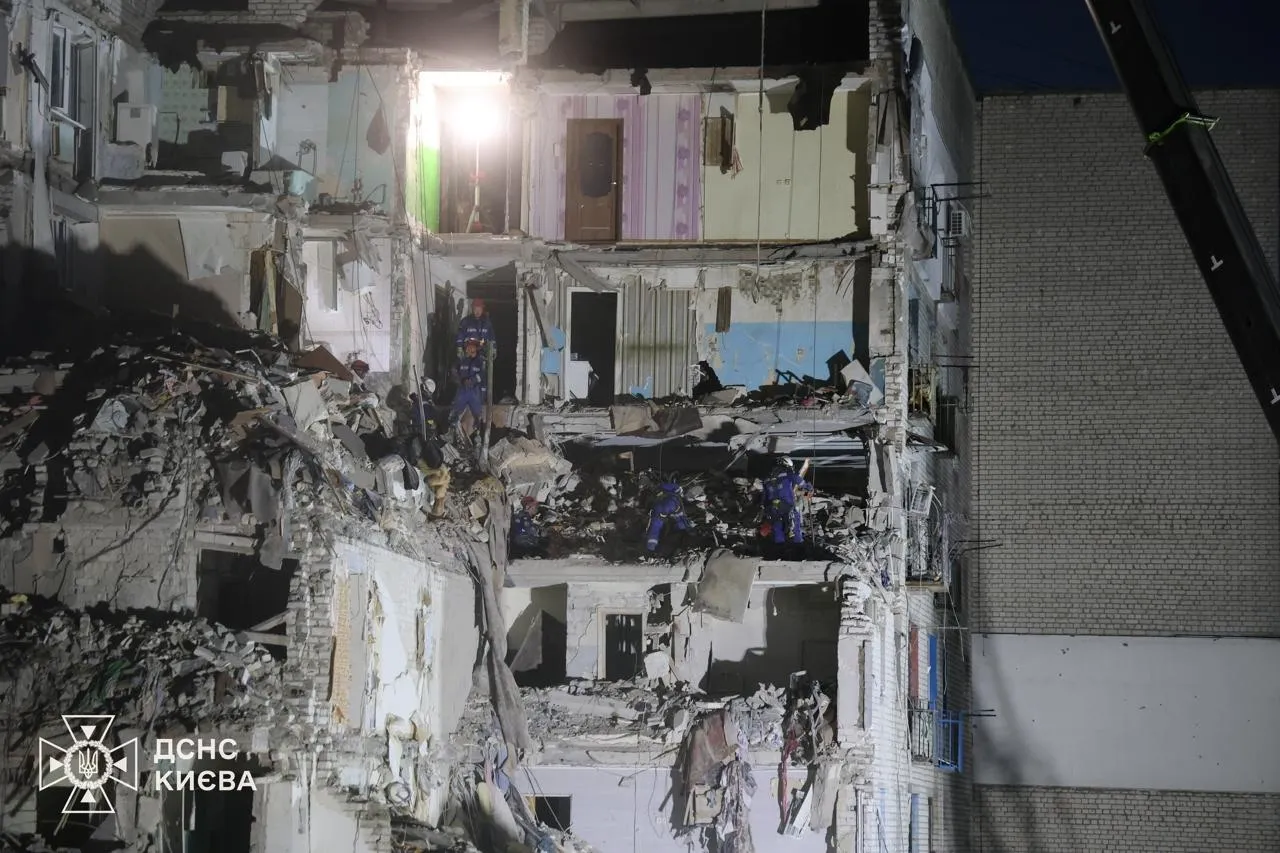
In June 2026, Russia significantly reduced the number of large-scale missile and drone attacks on Ukraine. The Institute for the Study of War (ISW) believes this is due to a change in tactics and the buildup of weapons stockpiles.
Analysts note that in previous months, Russian forces had demonstrated the ability to regularly launch strikes using hundreds of drones and missiles.
However, in the first month of summer, the number of such attacks dropped sharply, although the exact reasons for this remain unknown at this time.
As the ISW noted, starting in mid-January 2026, the Russian army significantly intensified its campaign of massive airstrikes. The pattern of deploying more than 300 air attack assets per strike was as follows:
- January (second half): 3 large-scale attacks;
- February: 6 massive strikes;
- March: 4 massive strikes;
- April: 5 massive strikes;
- May: 6 massive strikes.
Thus, from January through May, the occupying forces typically carried out one to three major strikes over the course of about one week, after which they shifted to significantly less intense operations for one or two weeks.
However, in June, this pattern underwent significant changes. Over the course of the entire month, the enemy carried out two attacks, during which more than 300 airstrikes were launched. These attacks took place on June 2 and 15.
ISW experts emphasize that there is currently no definitive explanation for this reduction, but they highlight two main hypotheses:
Stockpiling an arsenal for a future strike. One possible reason could be Russia’s deliberate stockpiling of drones for even more intense waves of attacks in the future. The Kremlin may be biding its time, waiting for the most opportune moment to further exhaust Ukraine’s air defense system.
Modernization and changes in production processes. Another explanation may lie in the restructuring of Russia’s industrial complex. In particular, Moscow may be attempting to decentralize the production of “Shahed” attack UAVs or reorient its production capacity toward manufacturing more complex and expensive models —for example, jet-powered drones (which, notably, were also used during the attack on Kyiv on the night of July 2)—the manufacture of which requires significantly more time and resources, the Institute writes.
On the night of July 1, Russian troops carried out a massive attack with strike drones on the Dnipropetrovsk region.
As a reminder, on the evening of June 30, Russian troops attacked an electric locomotive in the Dnipropetrovsk region with a drone. There were no casualties, as the locomotive crew was warned of the danger in time, and the workers managed to take cover.
Ukrainian drones struck eight of the ten largest Russian oil refineries by processing volume, with some facilities being hit multiple times.


