
Following the strikes on oil refineries, fuel production in Russia has hit a 17-year low
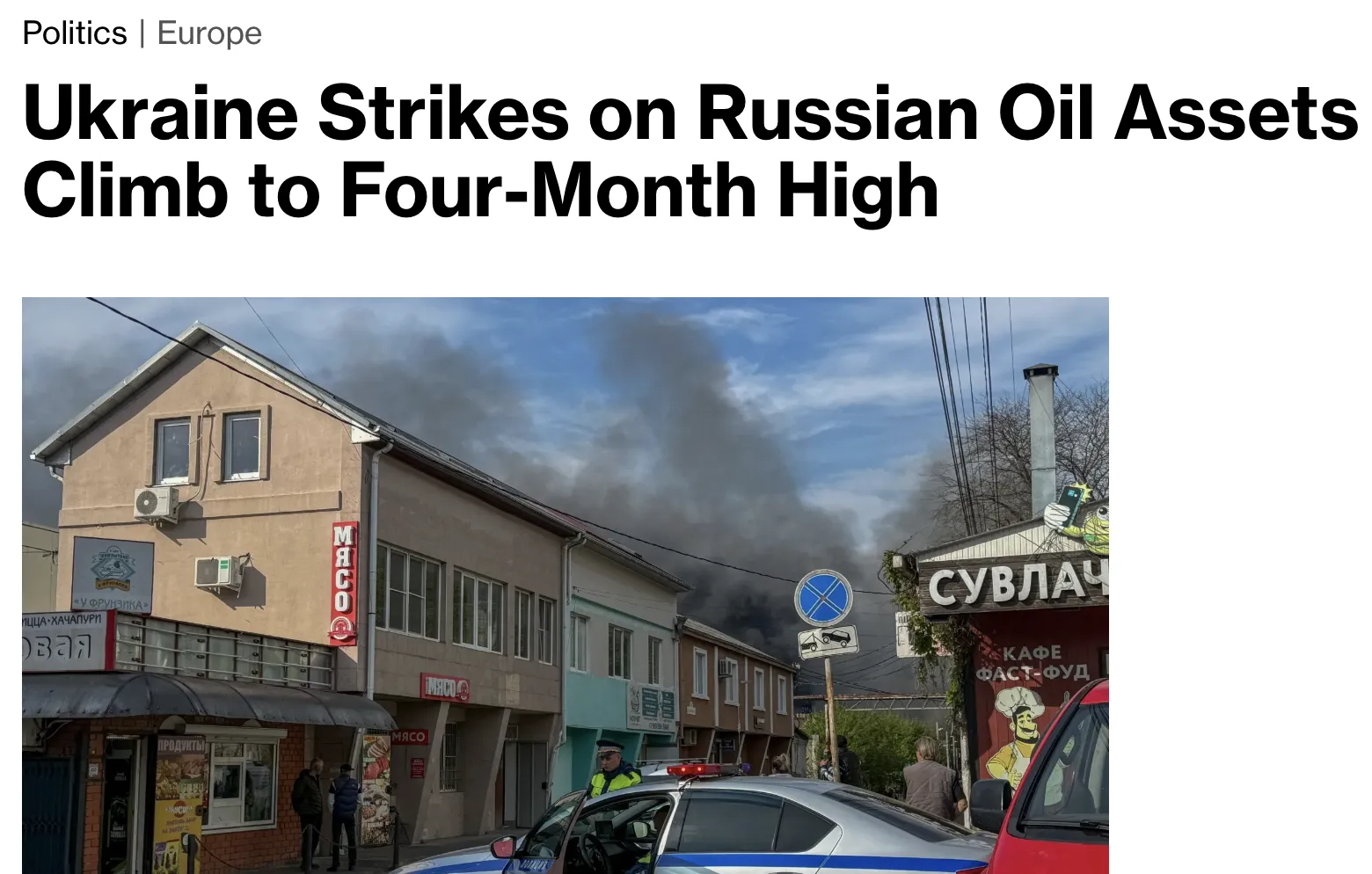
Following a series of drone attacks on oil refineries, fuel production in Russia has fallen to a 17-year low. In response, Russian authorities are imposing strict regulations on the production and supply of gasoline and diesel.
This is reported by Bloomberg.
The Russian government is tightening control over fuel production, which has fallen to a 17-year low following a series of drone attacks that struck at least nine refineries in April.
Eleven of the largest oil companies, including Rosneft, Gazprom Neft, Lukoil, and Surgutneftegaz, will sign agreements with the Ministry of Energy and the Federal Antimonopoly Service “on measures to stabilize the domestic market for petroleum products.” The government has already approved the relevant resolution. Its goal is “to ensure sufficient fuel supplies during periods of seasonal demand growth and agricultural fieldwork,” the Cabinet’s press service reported.
Under these agreements, the Ministry of Energy will issue mandatory recommendations to oil companies regarding fuel production volumes, domestic market supply, exports, and exchange sales, as previously reported by Russian media. Such “quotas” will apply to the production of gasoline and Class 5 diesel fuel.
Since the beginning of 2026, Russian refineries have come under drone attack at least 19 times. In April, at least five plants completely or partially halted oil processing.
As a result, refinery utilization rates fell to their lowest level since 2009—4.69 million barrels per day—which is even lower than the level during last fall’s gasoline crisis (4.88 million barrels per day). At that time, following a series of strikes, the country faced a fuel shortage; rationing systems returned to gas stations in the regions, and exchange prices for gasoline hit historic highs.
Read also: Drones attacked Tuapse again; fires broke out at the refinery and in the port.
Photos, video: Thick smoke once again blanketed Tuapse after the attack on the oil refinery.
Residents of Tuapse, Russia, are increasingly complaining about the unbearable living conditions in the frontline city. The once-popular resort has turned into an area of environmental disaster and constant danger due to regular explosions at local industrial facilities.
In Tuapse, Russia, while cleaning up the aftermath of an oil spill, the city beach was covered with a new layer of pebbles. At the same time, local residents and environmentalists claim that traces of fuel oil are still visible near the water and that a full cleanup has not taken place.
