
Russia was unable to increase its oil exports despite the partial easing of U.S. sanctions
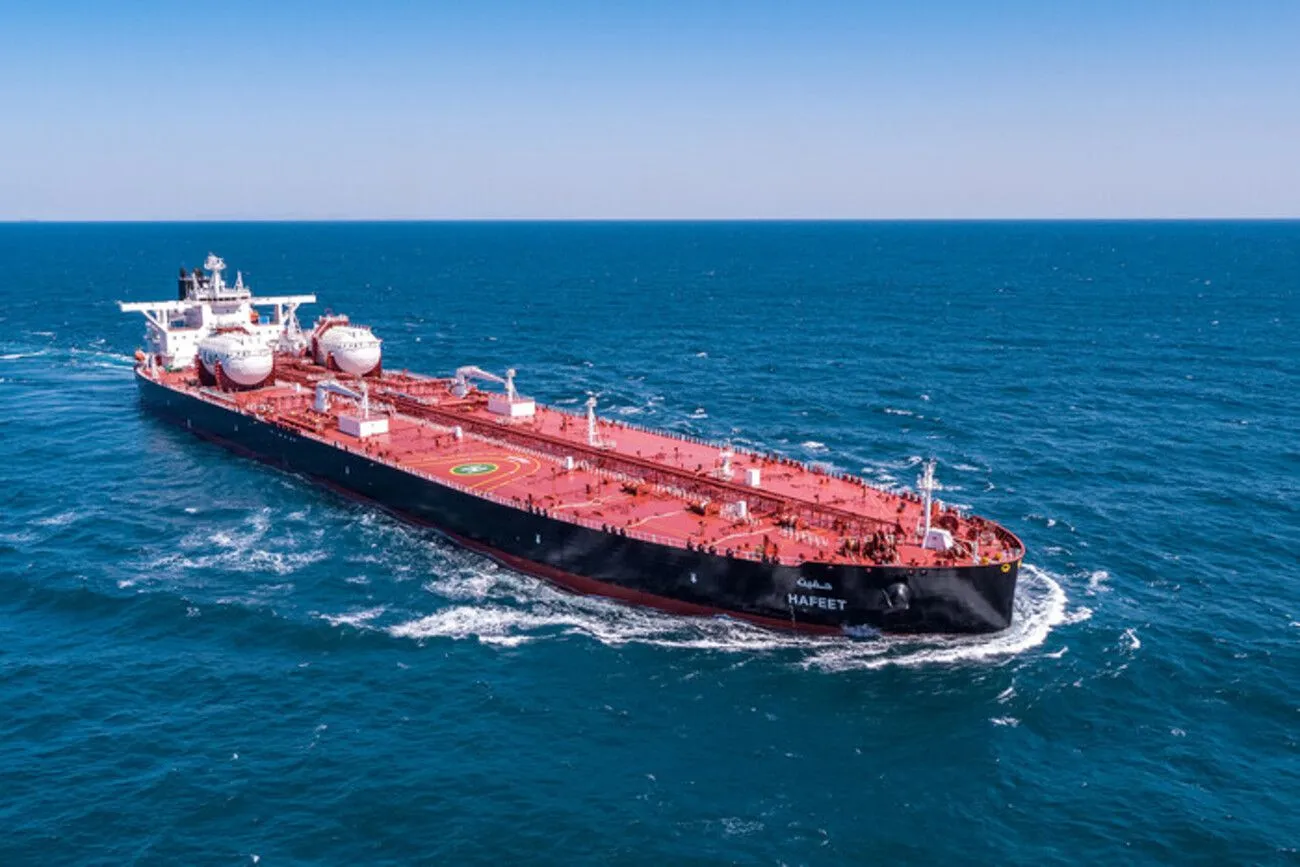
In March 2026, Russian oil shipments through seaports declined, despite a temporary easing of sanctions by the United States. The main reasons for the decline were infrastructure constraints and force majeure circumstances at the aggressor country’s key export hubs.
This is evidenced by data from the Foreign Intelligence Service of Ukraine.
According to reports by S&P Global Platts, the average daily oil throughput at Russian ports fell to 3.46 million barrels, while in February this figure stood at 3.49 million barrels per day. A similar decline was recorded in the petroleum products segment, where exports fell to 2.19 million barrels per day. Specifically, at the port of Primorsk, shipments dropped from 1.1 million to 732,000 barrels per day by the end of March, while in Ust-Luga, oil exports plummeted to 105,000 barrels compared to 471,000 a week earlier.
According to intelligence reports, shipments of petroleum products at the port of Ust-Luga virtually ceased entirely by the end of the month due to technical malfunctions and disruptions in the port’s infrastructure. These circumstances negated the effect Moscow had expected from the easing of U.S. sanctions, which were intended to stabilize global energy prices. Thus, internal logistics problems and the state of technical capacity have become a critical barrier to filling the Russian budget with petrodollars. Experts note that systematic breakdowns and the wear and tear of equipment at Russian export terminals continue to limit its capabilities in the global market.
As a reminder, Ukraine has become a drone superpower, and the Russians are currently unable to counter this. Thanks to mass production and the latest UAV technologies, Ukrainian forces are gaining significant advantages on the front lines and in the Black Sea.
Strikes on Ust-Luga and Primorsk cost the Kremlin over $1 billion in oil export revenue in just one week. Shipments through the Baltic Sea have fallen to their lowest level since the start of the full-scale war in Ukraine.


