
Workers at Russia’s largest ore deposit complain about unpaid wages
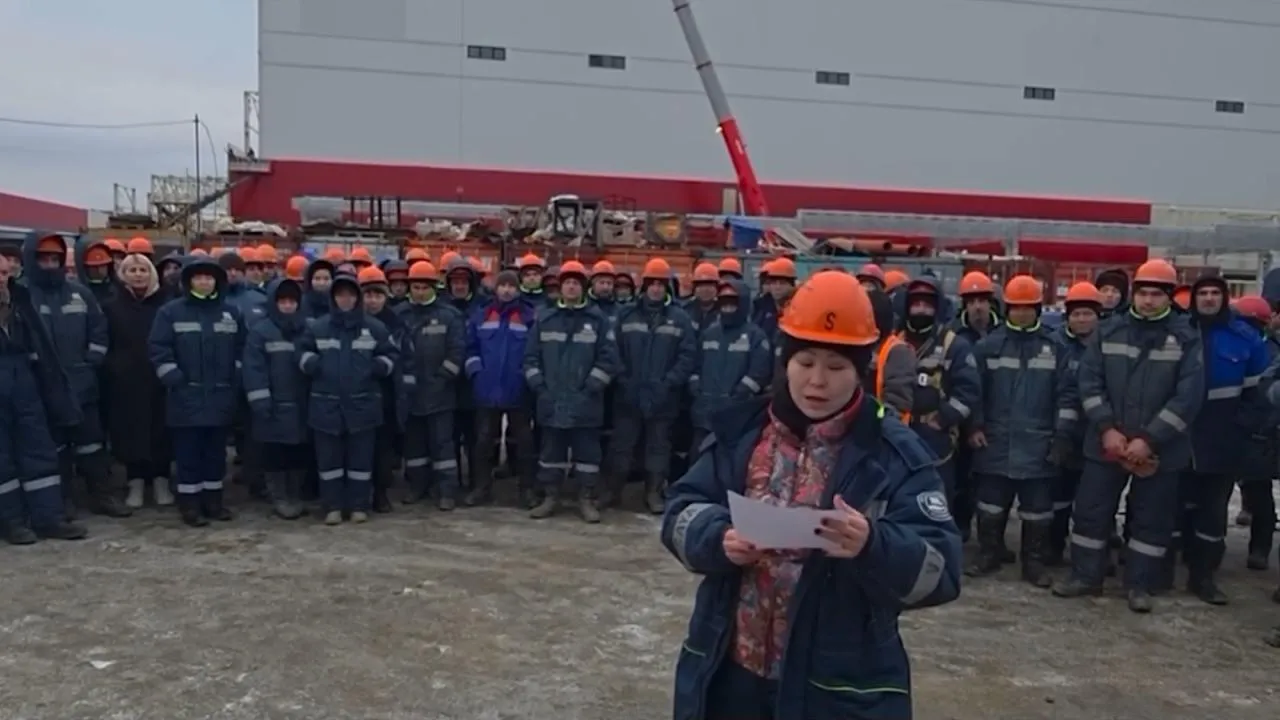
Workers involved in the development of the Volkovskoe deposit — one of Russia’s largest in terms of copper-iron-vanadium ore reserves — have reported a two-month delay in salary payments.
A video appeal recorded by rotational workers employed in the construction of a processing plant in Sverdlovsk region was published on December 5, reports The Moscow Times.
According to the workers, the management of the contracting company, the large construction holding “HK Novoleks,” stopped paying wages to two hundred employees more than two months ago. The workers found themselves in a difficult situation and cannot even travel home.
The video message states:
“No tickets are being purchased for us to leave the site, travel expenses are not reimbursed, daily food allowances are not paid, and compensation for delayed wages is not paid.”
“Despite the workers’ outrage, the senior management ignores appeals regarding salary payments.”
As a reminder, the Russian State Duma approved a budget with military spending one and a half times higher than social spending.
After two months of surplus, the Russian budget has returned to deficit. In October, the Ministry of Finance spent 3.4 trillion rubles while revenues amounted to 3 trillion. This increased the budget deficit from 3.8 to 4.2 trillion rubles over the first ten months.
The Russian economy is entering a phase of prolonged decline, as companies increasingly report financial difficulties, cut expenses, and postpone investments. In the third quarter of 2025, the main problems for businesses were unpaid invoices from partners, falling demand, and a lack of working capital.
Meanwhile, since late 2024, Russia’s annual economic growth has fallen from about 5% to zero. Analysts cite inflation, military spending, and declining oil prices amid Trump’s tariffs as key reasons.
After three years of unexpected economic growth, Russia is now facing a sudden slowdown — war spending, inflation, and falling oil prices are beginning to weigh on an economy that until recently seemed resilient to sanctions.


